Want to Install Vinyl Flooring Over Tile? Read This
September 17, 2026, by Levi Winkler, Flooring Expert & Owner of Rejuvenation Floor & Design
Can You Put Vinyl Flooring Over Tile?
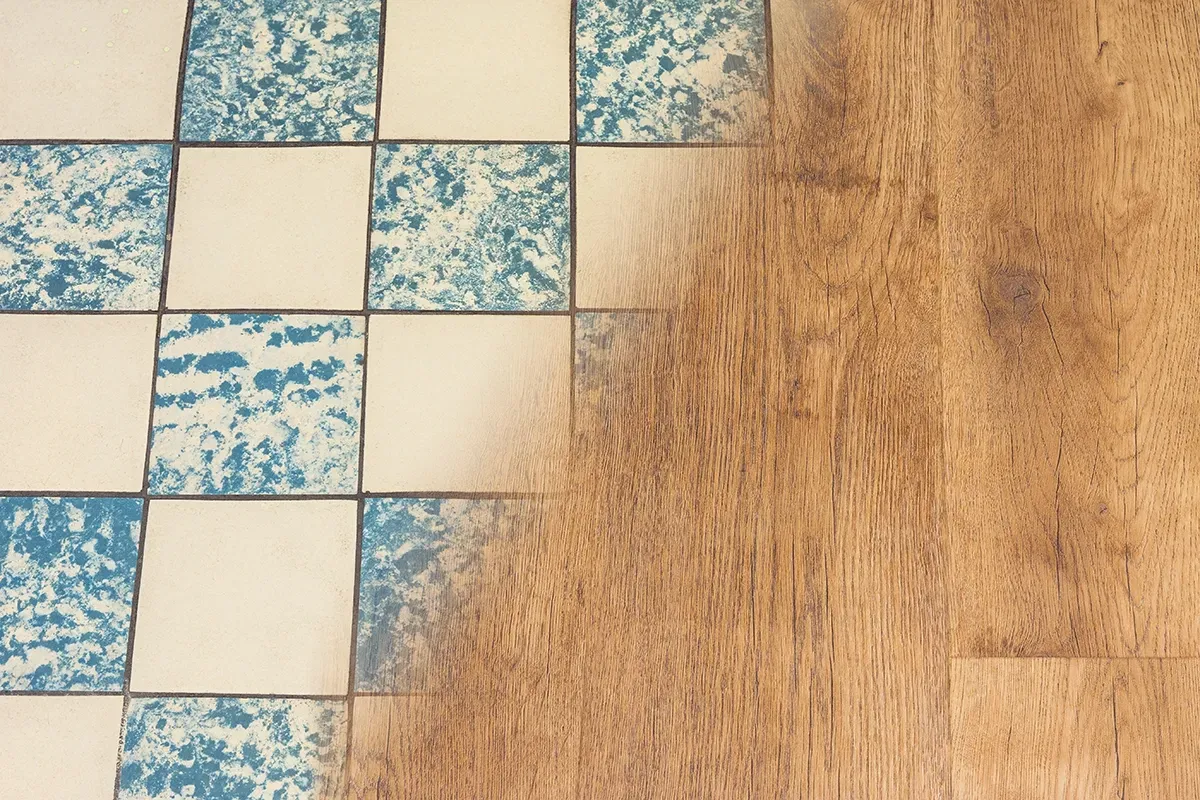
The short answer is usually yes, you can install vinyl flooring over tile. The longer answer depends on a few things most people don't think about until they're halfway into the project.
Imagine you're staring at that dated tile floor in the kitchen or bathroom, and ripping it out sounds like a nightmare. Dust everywhere, a demo crew for two days, maybe a cracked subfloor underneath you didn't know about. At Rejuvenation Floor & Design, a leading flooring company in Portland, Oregon, we deal with this scenario constantly.
Why This Question Comes Up So Often
Tile is one of the most durable flooring materials out there, which is exactly the problem. It doesn't wear out, it just goes out of style, or the grout gets grimy in a way no amount of scrubbing fixes. Tearing out sound tile means paying to destroy something that isn't actually broken. Installing over it instead saves labor, saves a dumpster fee, and skips a lot of the mess that comes with demo.
Vinyl flooring, especially LVP (luxury vinyl plank) and rigid core vinyl, is built for exactly this kind of situation. It's thin, it's flexible in how it installs, and unlike hardwood or laminate, it doesn't need a perfectly flat, seamless subfloor underneath to perform well.
The Grout Line Problem
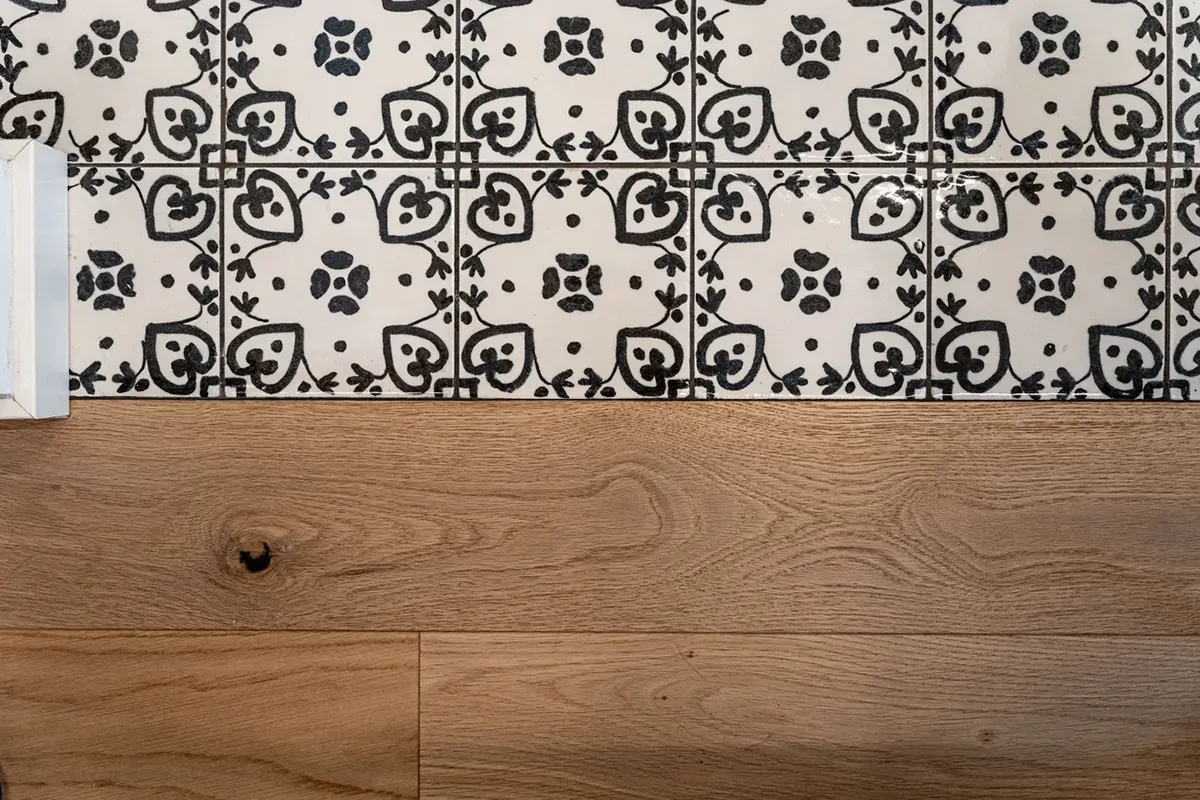
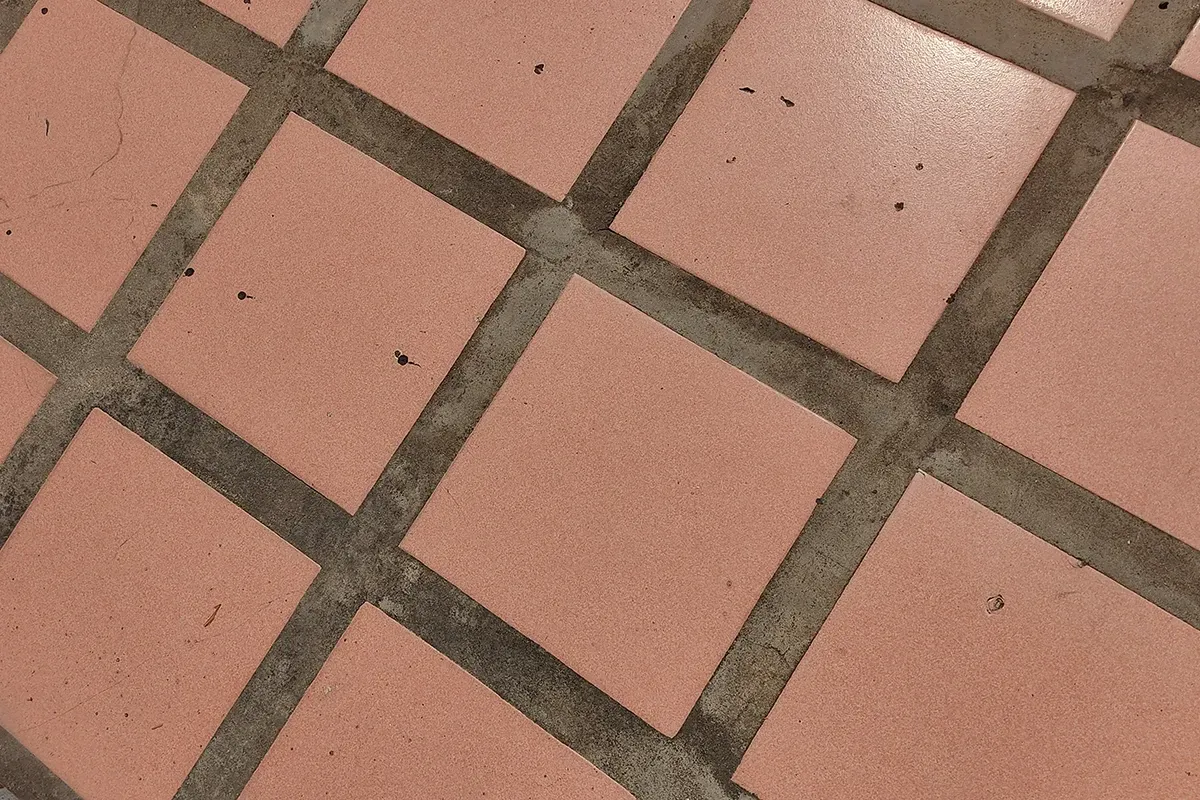
Here's the thing nobody mentions in the YouTube tutorials: grout lines are recessed. Even a quarter inch of depth across a whole floor adds up, and over time that texture can start to show through, or "telegraph," especially with thinner vinyl products. Walk across it barefoot in a few years and you might feel a faint ridge pattern where the grout lines sit.
This isn't just a cosmetic annoyance. Take Evoke's vinyl warranty, for example: it specifically excludes premature wear caused by subfloor irregularities that telegraph through the flooring, along with damage tied to improper subfloor preparation. That's a pretty common stance across the industry. In plain terms: if the grout lines telegraph because the subfloor wasn't properly leveled first, that's on the installer or homeowner to fix, not the manufacturer.
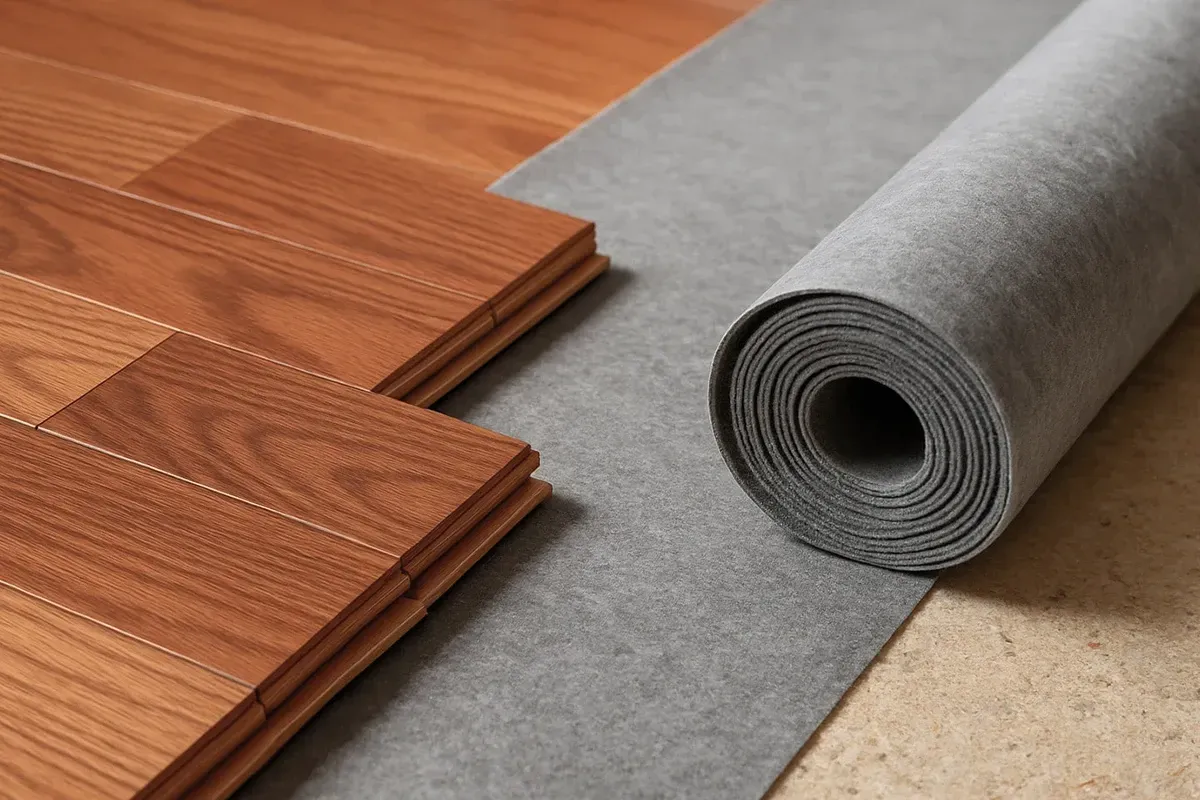
There are a couple ways around this. A cushioned underlayment helps bridge small gaps and softens the transition. Thicker rigid core LVP (5mm or more) resists telegraphing better than a standard 2-3mm flexible vinyl sheet. And honestly, sometimes the fix is simpler than people expect: a skim coat of self-leveling compound over the tile fills the grout lines flat before anything else goes down. It adds a step, but it's a lot less work than tearing out tile, and it's the difference between a floor that's actually protected under warranty and one that isn't.
Not All Tile Floors Are Good Candidates
This is where we have to be honest with clients, and it's worth being honest with yourself before you start too. Installing over tile works well when the tile is:
- Fully bonded to the subfloor, with no loose or hollow-sounding tiles
- Free of major cracks or chips
- Reasonably flat, without tiles that have lipped or shifted
- Not covering a subfloor with moisture or structural issues underneath
That "reasonably flat" standard isn't just a feel test. Most rigid core and SPC vinyl manufacturers require the substrate to be flat within 3/16 inch over a 10 foot span, and installing outside that tolerance can affect the installation's integrity and put your warranty coverage at risk. A quick way to check: lay a straightedge across the tile in a few directions and look for gaps. If you're seeing daylight under it in spots, that's worth addressing with a leveling compound before vinyl goes down, not after.
If you tap around the floor and hear hollow spots, or you can see cracked grout lines running diagonally across multiple tiles, that's often a sign of subfloor movement, not just cosmetic wear. Covering that up with vinyl doesn't fix the underlying problem, it just hides it for a while until it telegraphs through or causes the new floor to flex and fail early. In older Portland bungalows especially, we see this a fair amount where original subfloors have settled over the decades.
If more than a small percentage of tiles are loose or damaged, it usually makes more sense to address those first, even if that means a partial demo, rather than installing over a compromised base.
Floating LVP vs. Glue-Down Over Tile
Once you've confirmed the tile is a solid base, you've got a choice to make on installation method.
Floating LVP, the click-lock style, is the more forgiving option for a DIY-adjacent project or for a contractor who wants a faster install. The planks lock together and "float" above the tile without adhesive, so minor imperfections in the tile surface matter less. It's also easier to replace a damaged plank down the road.
Glue-down vinyl, on the other hand, bonds directly to the tile using a pressure-sensitive or full-spread adhesive. This method holds up better in high-traffic commercial spaces or rooms with rolling loads, like a kitchen with a heavy island cart. But it demands a cleaner, flatter surface to begin with, since the adhesive is unforgiving of texture and telegraphing risk goes up. Glazed tile surfaces can also be trickier to bond to without the right primer or adhesive prep, since the glaze doesn't absorb adhesive the way a porous surface would.
For most residential remodels we see in the Portland and Vancouver, WA area, floating LVP over tile is the more practical choice unless there's a specific reason to glue down.
Height and Transition Considerations
Adding vinyl on top of existing tile raises your finished floor height, sometimes by a quarter inch, sometimes more depending on the product and underlayment. That sounds minor until you're standing at a doorway and the new floor doesn't line up with the hallway, or a dishwasher that used to slide out for service no longer clears the cabinet opening.
Walk through these spots before committing to the install:
- Exterior doors and interior thresholds
- Cabinet toe-kicks and built-in appliances
- Where the new floor meets carpet, hardwood, or another room's flooring
A transition strip or reducer molding solves most height mismatches, but it's much easier to plan for than to discover after the fact.
Moisture Matters More in Some Rooms Than Others
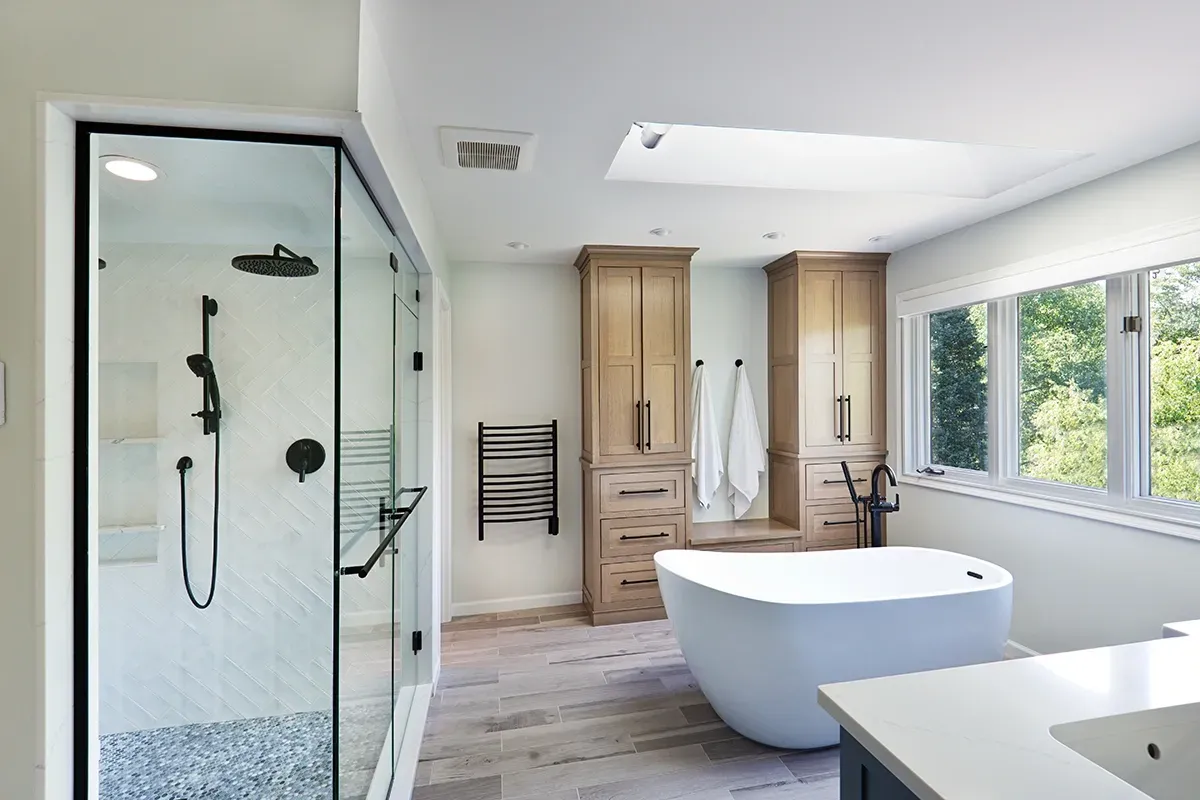
Bathrooms and below-grade spaces deserve extra attention. Vinyl handles moisture well as a surface material, but that protection has limits. Waterproof warranties typically cover everyday spills, wet shoes, and drips around sinks and tubs, but they don't extend to moisture coming up from below the flooring. Evoke's warranty, for instance, requires any subfloor moisture issue to be remedied before installation, not after, and excludes damage from hydrostatic pressure or ongoing moisture emissions through the subfloor. Other manufacturers carry similar language.
So if there's an existing moisture issue under that tile, whether it's a slow leak, inadequate below-grade humidity control, or a bathroom that's never had proper ventilation, layering vinyl on top doesn't solve it. It just adds a layer that could trap moisture between the tile and the new floor, and voids the exact coverage you'd want if something goes wrong.
If you've had any history of water issues in the room, it's worth having that checked out before covering the tile up rather than after.
Warranty terms vary by manufacturer and sometimes by product line, so always check with your specific brand and retailer to confirm what applies to your flooring before you start.
When It's Worth Just Removing the Tile
Sometimes the more expensive-sounding option is actually the smarter one. If the tile has significant damage, if you're dealing with a subfloor problem you need access to, or if the height buildup would create real functional issues with doors and appliances, tearing it out and starting fresh avoids compounding problems. It's not the answer for every situation, but it's worth weighing against the time and materials it'd take to properly prep a bad tile floor for vinyl anyway.
Most of the time, though, installing vinyl over tile is a legitimate shortcut, not a corner cut. It just takes an honest look at what's underneath before you start.
Got questions? We encourage Portland homeowners to contact us or stop by our flooring store and showroom !
About the Author:
Levi Winkler is the owner of Rejuvenation Floor & Design, where he has been helping homeowners and businesses transform their spaces with high-quality flooring for over 16 years. Based in Portland, Oregon, Levi specializes in hardwood flooring, as well as luxury vinyl, laminate, and more. With decades of hands-on flooring installation and restoration experience, Levi is known for his attention to detail, product knowledge, and commitment to long-lasting results. He works closely with clients to ensure every flooring project is tailored to their style, needs, and budget.
Recent Articles