Mahogany Wood Floors: Pros, Cons & Expert Tips
February 11, 2026, by Levi Winkler, Flooring Expert & Owner of Rejuvenation Floor & Design
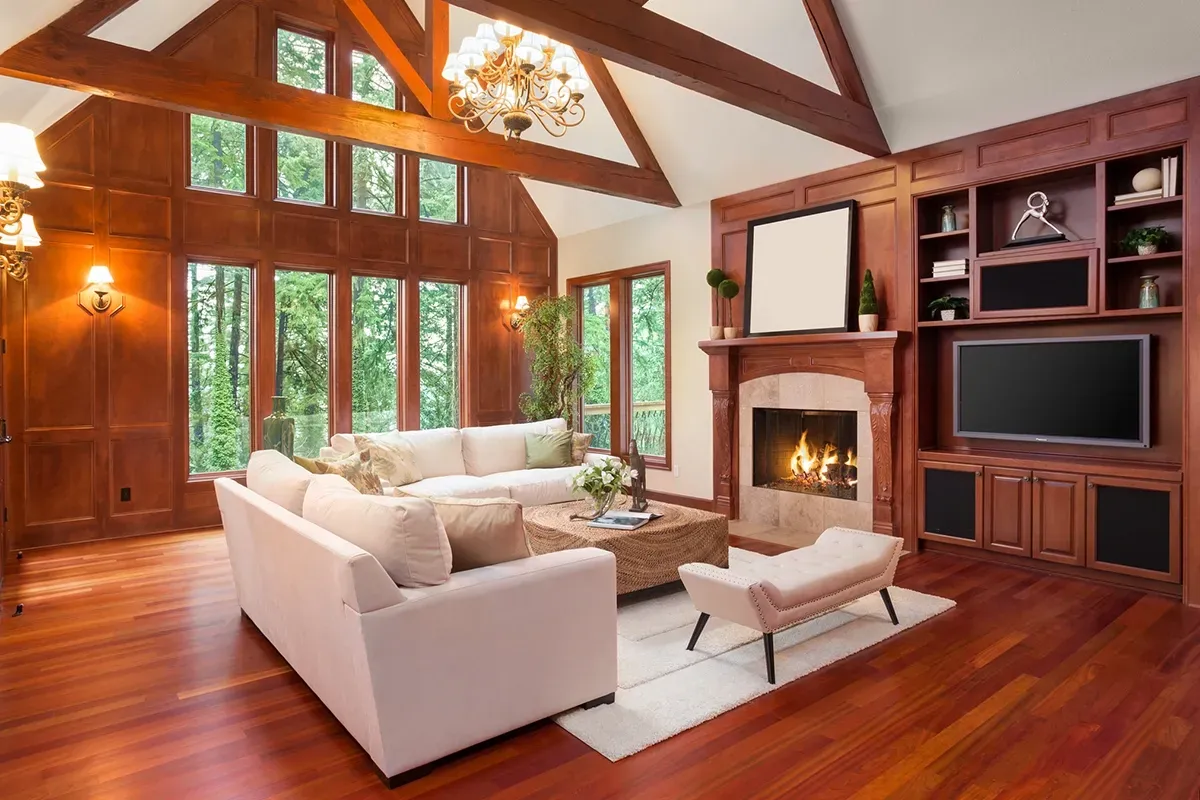
Mahogany wood flooring has long been associated with luxury, warmth, and timeless beauty. Known for its rich color and smooth grain, mahogany has been used in fine furniture, historic homes, and high-end interiors for centuries. Today, homeowners still gravitate toward mahogany floors for their elegance and character, but as with any flooring material, there are important factors to consider before making a decision.
This guide breaks down what mahogany wood floors are, their advantages and drawbacks, and expert tips to help you decide whether they’re the right fit for your home.
What is Mahogany?
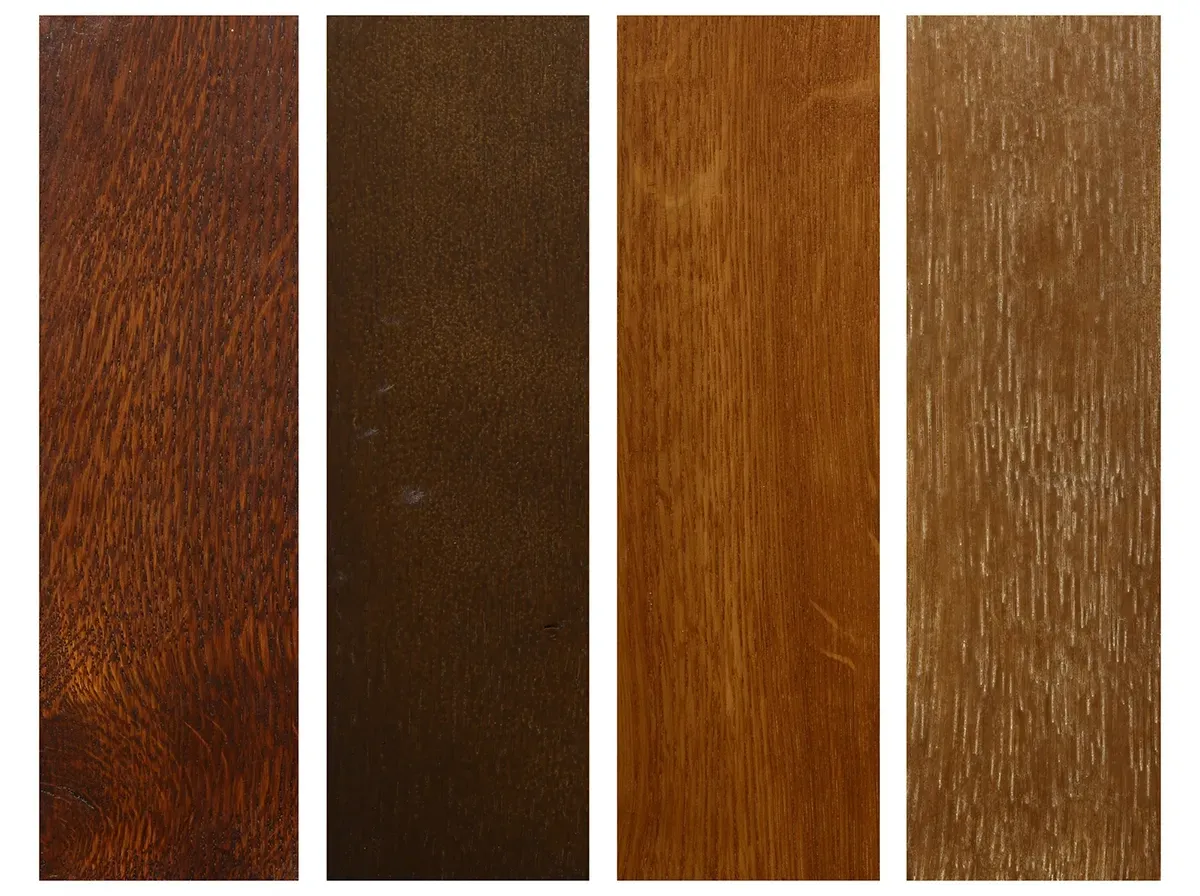
Mahogany is a hardwood species prized for its deep reddish-brown tones, fine grain, and ability to age gracefully over time. True mahogany traditionally comes from tropical regions, particularly Central and South America. However, the term “mahogany” is often used more broadly in flooring to describe several wood species with similar color and appearance.
Common types of mahogany flooring include:
- Genuine (Honduran) Mahogany – Considered the classic option, known for its straight grain and rich, uniform color.
- African Mahogany – Slightly more variation in grain and color, often more affordable.
- Santos Mahogany – Technically not true mahogany, but a dense South American hardwood with dramatic color variation and excellent durability.
Each type offers a slightly different look and performance profile, making it important to understand which product you’re considering when comparing options.
Pros of Mahogany Wood Floors
1. Rich, Timeless Appearance
One of the biggest reasons homeowners choose mahogany flooring is its visual impact. The wood’s natural reddish-brown hues create warmth and sophistication that works beautifully in both traditional and contemporary spaces. Over time, mahogany develops a deeper patina, enhancing its character rather than detracting from it. Mahogany floors pair especially well with neutral walls, classic millwork, and both light and dark furnishings, making them highly versatile from a design standpoint.
2. Smooth, Refined Grain Pattern
Unlike oak or hickory, which have prominent grain patterns, mahogany features a finer, more uniform grain. This creates a sleek, polished look that feels refined and elegant. For homeowners who prefer a less rustic appearance, mahogany can be an excellent alternative to more heavily grained hardwoods.
3. Good Dimensional Stability
Mahogany is known for its stability compared to some other hardwood species. It tends to expand and contract less with changes in humidity, especially when properly milled and acclimated. This makes it a strong candidate for homes with moderate seasonal moisture changes, provided proper installation practices are followed.
4. Comfortable Underfoot
Mahogany is not as hard as species like maple or Brazilian cherry, which can feel unforgiving underfoot. Its moderate hardness provides a comfortable walking surface while still offering durability suitable for many residential settings.
5. Adds Perceived Value to a Home
High-quality mahogany flooring is often associated with upscale interiors. When well-maintained, it can enhance a home’s overall aesthetic appeal and contribute positively to resale value, especially in markets where buyers appreciate premium materials.
Cons of Mahogany Wood Floors
1. Color Changes with Light Exposure
Mahogany is photosensitive, meaning it darkens when exposed to sunlight. While many homeowners appreciate the deepening color, uneven exposure can lead to noticeable differences if rugs or furniture are frequently moved. Proper planning, consistent furniture placement early on, and periodic rearranging can help manage this natural characteristic.
2. Cost Considerations
Mahogany flooring typically falls into the higher price range, especially when sourced responsibly and manufactured to high standards. Genuine mahogany, in particular, can be significantly more expensive than domestic hardwood options. Installation costs may also be higher due to the need for skilled handling and finishing.
3. Sustainability Concerns
Because true mahogany comes from tropical regions, sustainability is an important consideration. Unsustainably harvested mahogany has contributed to deforestation in the past. Today, responsible sourcing is essential, and homeowners should look for certified sustainable wood flooring to ensure ethical forestry practices were used.
4. Not Ideal for Every Room
Like most solid hardwoods, mahogany is sensitive to moisture. It is generally not recommended for bathrooms, laundry rooms, or below-grade spaces. Engineered mahogany options can expand usability, but careful evaluation is still necessary.
5. Susceptibility to Scratches and Dents
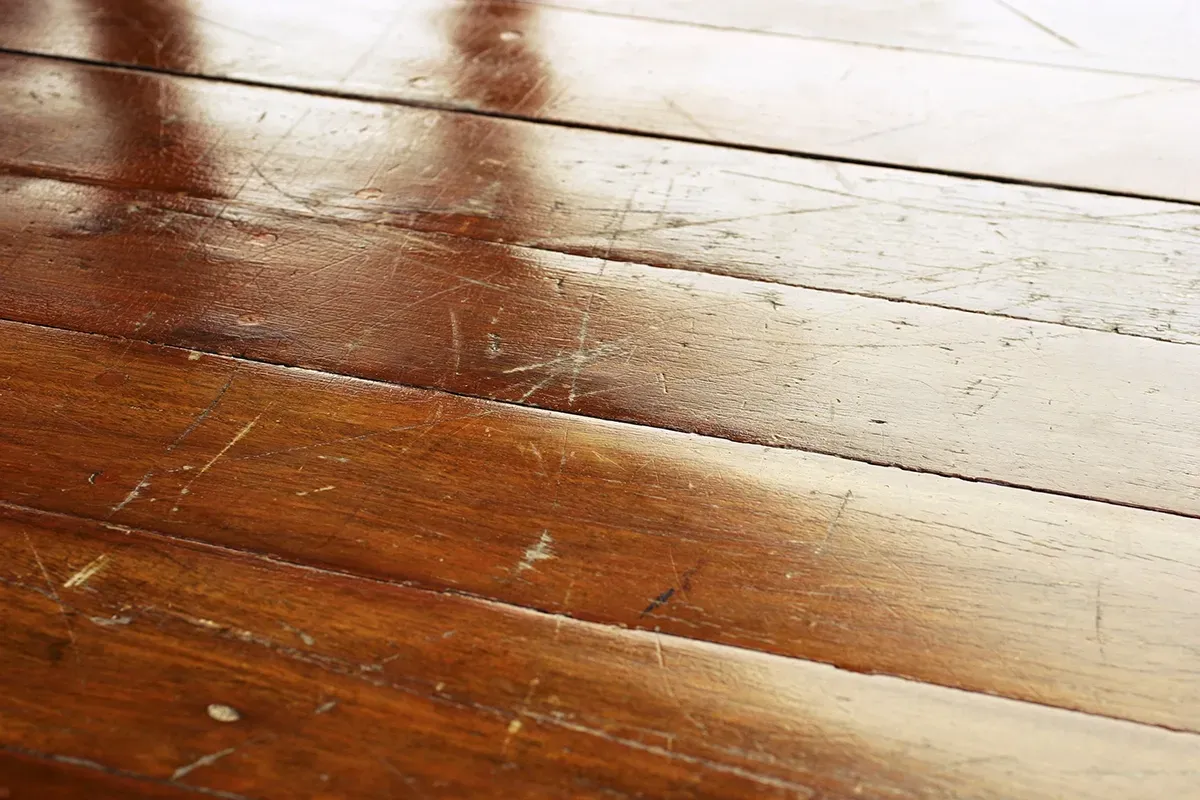
Compared to harder domestic species like oak or maple, many types of mahogany are softer. This means they can show scratches, dents, and wear more easily, particularly in high-traffic areas or homes with pets. While area rugs and furniture pads help minimize wear, homeowners should be realistic about how the floor will age over time.
Expert Tips
1. Understand the Species
Not all “mahogany” floors are the same. Santos mahogany, African mahogany, and genuine mahogany differ in hardness, color variation, and performance. Knowing exactly which species you’re considering helps set realistic expectations for durability and appearance.
2. Consider Engineered Mahogany
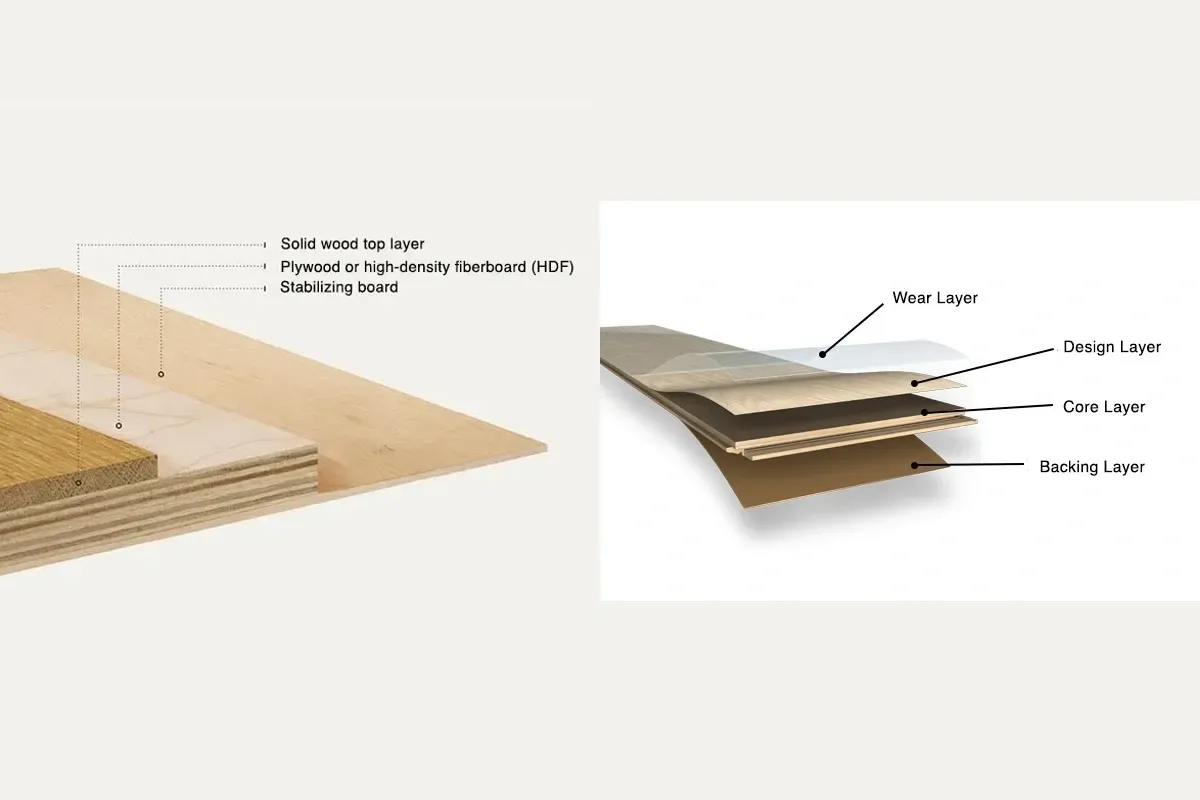
Engineered mahogany flooring features a real wood veneer over a stable core, offering improved resistance to moisture and temperature changes. This can be a smart choice for homes with fluctuating humidity or for installations over concrete subfloors.
3. Prioritize Proper Acclimation
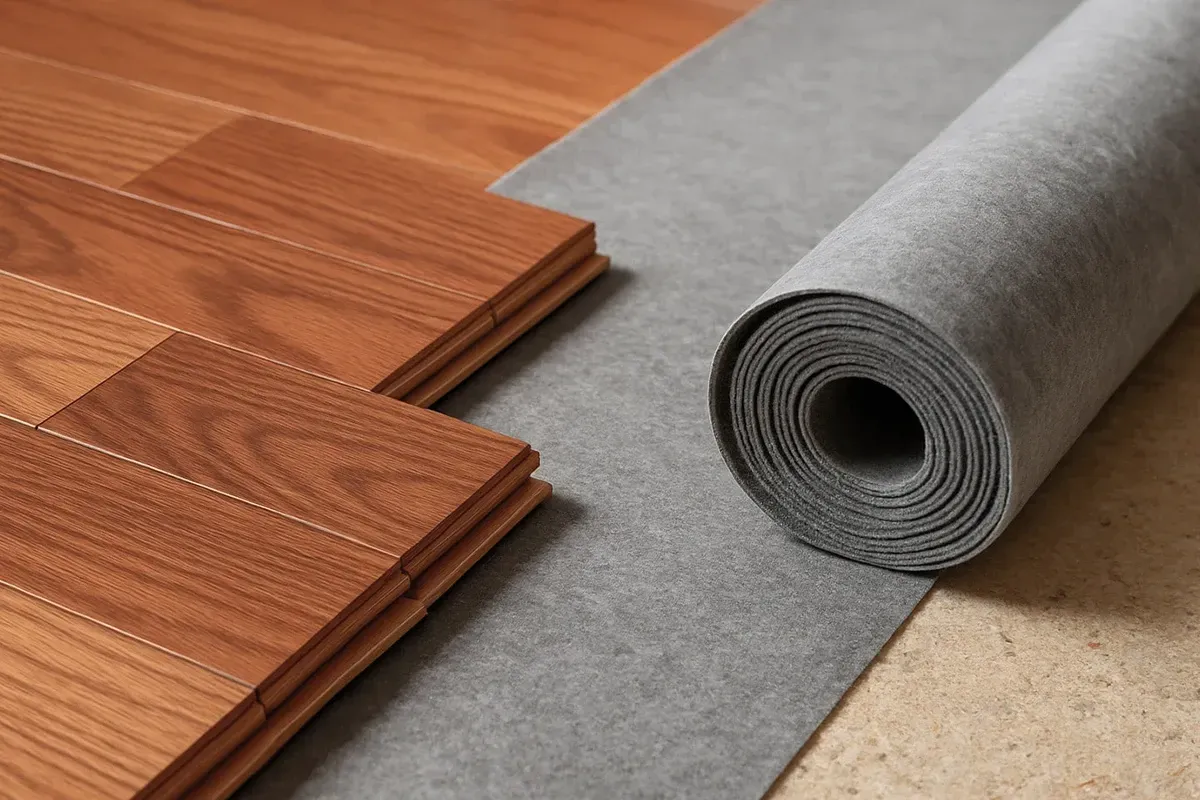
Mahogany benefits greatly from proper acclimation before installation. Allowing the wood to adjust to your home’s environment helps reduce movement after installation and supports long-term performance. Skipping this step can lead to gaps, cupping, or other types of wood floor damage.
4. Choose the Right Finish
The finish plays a major role in how well mahogany floors wear over time. Matte and satin finishes tend to hide scratches better than high-gloss options. UV-cured finishes provide strong protection, while site-finished floors allow for customization and future refinishing.
5. Plan for Maintenance
Mahogany floors require regular care to maintain their beauty. This includes:
- Sweeping or vacuuming regularly to remove grit
- Using manufacturer-approved cleaners
- Placing felt pads under furniture
- Maintaining stable indoor humidity levels
With proper maintenance, mahogany floors can last for decades.
Comparing Mahogany to Other Hardwood Options
Choosing the right hardwood floor often comes down to balancing aesthetics, performance, and lifestyle needs. Here’s how mahogany compares to some of the most popular alternatives:
Mahogany vs. Oak
- Appearance: Oak has a more pronounced grain pattern and comes in lighter tones, while mahogany offers smoother grain and richer, warmer colors. Mahogany tends to read as more formal and elegant, while oak fits both traditional and casual interiors.
- Durability: Oak is harder than most mahogany species, which generally makes oak more resistant to dents and heavy wear. For high-traffic areas, oak may be more forgiving.
- Style Flexibility: Oak’s neutral tone and visible grain make it versatile with a range of stains and finishes. Mahogany’s color is more of a defining design choice, anchoring a space with warmth.
Mahogany vs. Maple
- Appearance: Maple is typically lighter with a subtle grain. It brings a clean, modern look to interiors, whereas mahogany is darker and richer, often chosen for luxury aesthetics.
- Scratch Resistance: Maple is harder than several mahogany species, offering better resistance to everyday wear. However, maple’s light color can reveal imperfections more readily.
- Design Impact: Maple works well for minimalist and contemporary spaces; mahogany is a better match for classic, formal, or traditionally styled homes.
Mahogany vs. Walnut
- Color and Grain: Walnut and mahogany both offer deep, rich tones, but walnut usually exhibits more dramatic grain variation. Walnut tends toward chocolate brown, while mahogany carries reddish undertones.
- Hardness: Walnut is similar in hardness to mahogany but can show wear more clearly due to its aesthetic nature. Both require careful maintenance in busy households.
- Aesthetic Character: Walnut’s rich, varied grain makes it striking and expressive. Mahogany’s smoother grain feels refined and classic. The choice often comes down to personal aesthetic preference.
Mahogany FAQ
1. What color is mahogany?
Mahogany typically ranges from a warm reddish-brown to deep red or burgundy tones. Over time, it naturally darkens and develops a richer color with exposure to light.
2. Is mahogany a hardwood?
Yes, mahogany is a hardwood. It comes from broadleaf tropical trees and is valued for its durability, stability, and attractive grain.
3. How do you identify mahogany?
Mahogany usually has a straight, even grain, a smooth texture, and a reddish-brown color. It often shows a subtle shimmer or ribbon-like pattern when finished.
4. Where does mahogany come from?
Mahogany primarily comes from tropical regions, including Central and South America, as well as parts of Africa and Southeast Asia, depending on the species.
5. Is mahogany wood expensive?
Mahogany is generally considered a premium wood, so it tends to be more expensive than common flooring options due to its appearance, durability, and limited supply.
6. What does mahogany smell like?
Mahogany has a mild, slightly sweet, and woody scent when freshly cut or sanded, though the smell usually fades after installation and finishing.
7. Can you refinish mahogany flooring?
Yes, mahogany flooring can be refinished multiple times. Its dense surface responds well to sanding and refinishing, helping restore its original appearance.
8. How hard is mahogany wood?
Mahogany is moderately hard according to the Janka scale. It is durable enough for residential flooring while remaining easier to work with than extremely hard woods like hickory or maple.
Is Mahogany Right for Your Home?
Mahogany wood flooring is an excellent choice for homeowners who value warmth, elegance, and timeless design. It works especially well in living rooms, dining rooms, and primary bedrooms where traffic is moderate and aesthetics are a priority. However, it may not be the best option for busy households with large pets, heavy foot traffic, or areas prone to moisture unless engineered alternatives are used. Balancing beauty with lifestyle needs is key to making the right flooring decision.
Final Thoughts
Mahogany wood floors offer undeniable beauty and a sense of sophistication that few materials can match. By understanding the pros and cons, choosing the right product, and following expert installation and maintenance practices, homeowners can enjoy floors that age gracefully and elevate their space.
At
Rejuvenation Floor & Design, helping homeowners navigate these decisions is a critical part of the process. With the right guidance and product selection, mahogany flooring can be a rewarding investment that brings long-lasting character and warmth to your home.
About the Author:
Levi Winkler is the owner of Rejuvenation Floor & Design, where he has been helping homeowners and businesses transform their spaces with high-quality flooring for over 16 years. Based in Portland, Oregon, Levi specializes in hardwood flooring, as well as luxury vinyl, laminate, and more. With decades of hands-on flooring installation and restoration experience, Levi is known for his attention to detail, product knowledge, and commitment to long-lasting results. He works closely with clients to ensure every flooring project is tailored to their style, needs, and budget.
Recent Articles