Laminate vs Hardwood Flooring: Which is Better?
December 4, 2025, by Levi Winkler, Flooring Expert & Owner of Rejuvenation Floor & Design

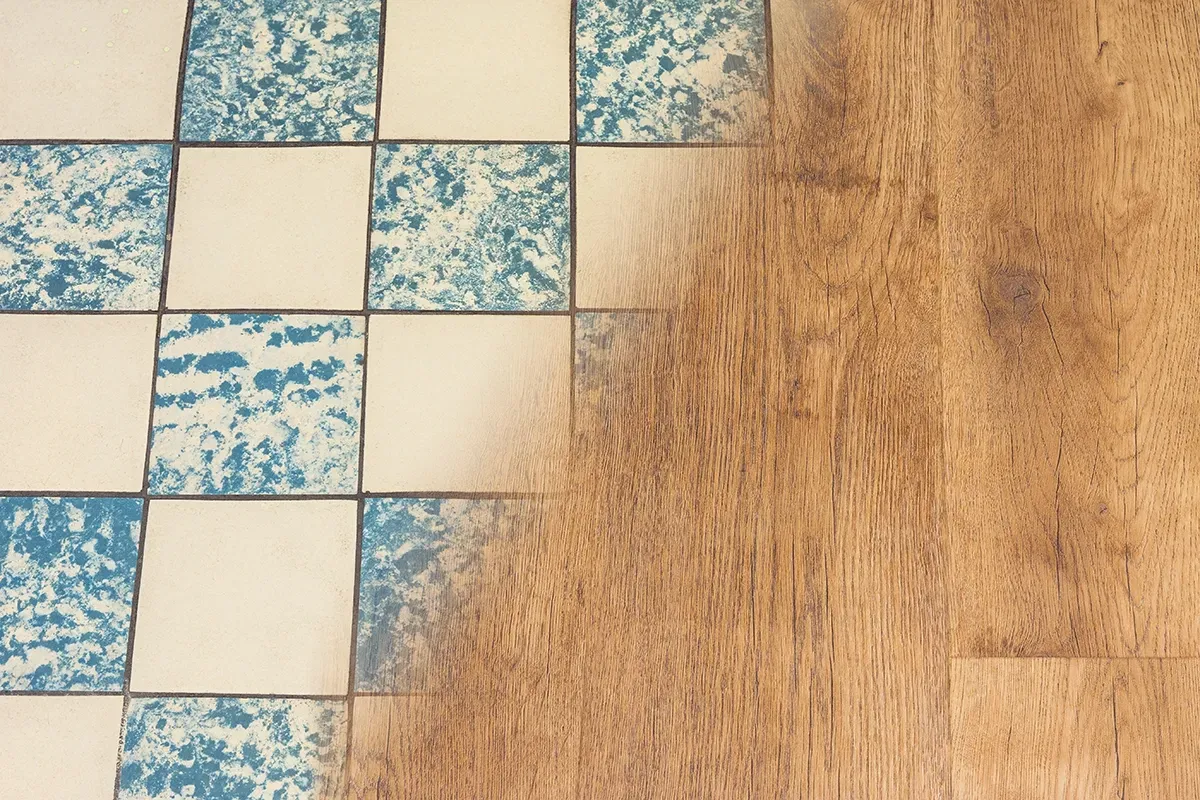
For many homeowners planning a flooring upgrade, two options often rise to the top of the list: laminate and hardwood flooring. Both have been popular for decades, both can dramatically enhance a home’s appearance, and both offer distinct advantages depending on how you live. But the differences between laminate vs hardwood flooring are significant, and the best choice depends on your budget, lifestyle, long-term goals, and installation environment.
At Rejuvenation Floor & Design, a leading flooring store in Portland, Oregon, we’re frequently asked which option is “better.” In reality, laminate and solid hardwood excel in different situations. Below, you’ll find an in-depth look at each material and expert guidance to help you choose what makes the most sense for your home.
Understanding the Core Difference Between Laminate vs Hardwood Flooring
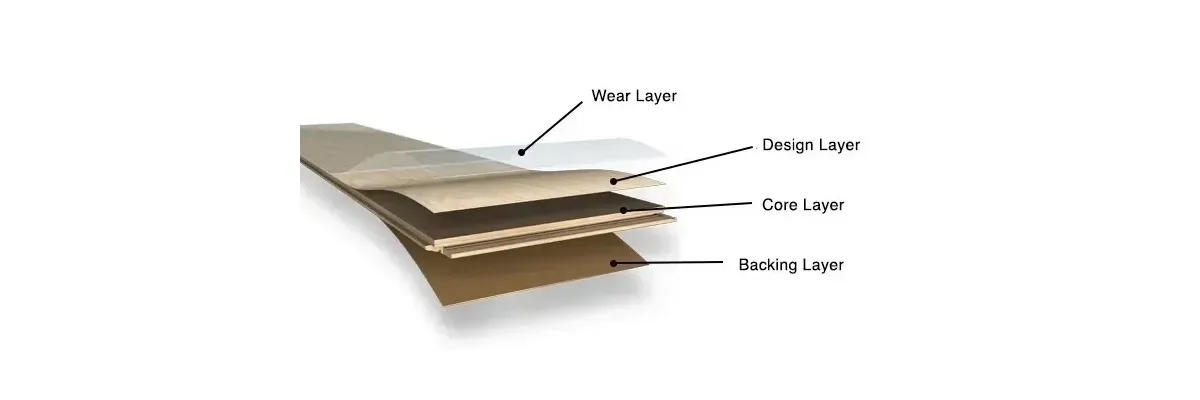
To make a confident choice, it helps to start with how each product is built. Laminate flooring is a synthetic, multi-layer material. It features:
- A durable top wear layer that resists scratches and stains
- A high-resolution image layer that gives the floor its wood-like appearance
- A dense fiberboard core
- A backing layer for stability
Laminate is installed as a floating floor, meaning the planks lock together and rest over an underlayment without being fastened to the subfloor.
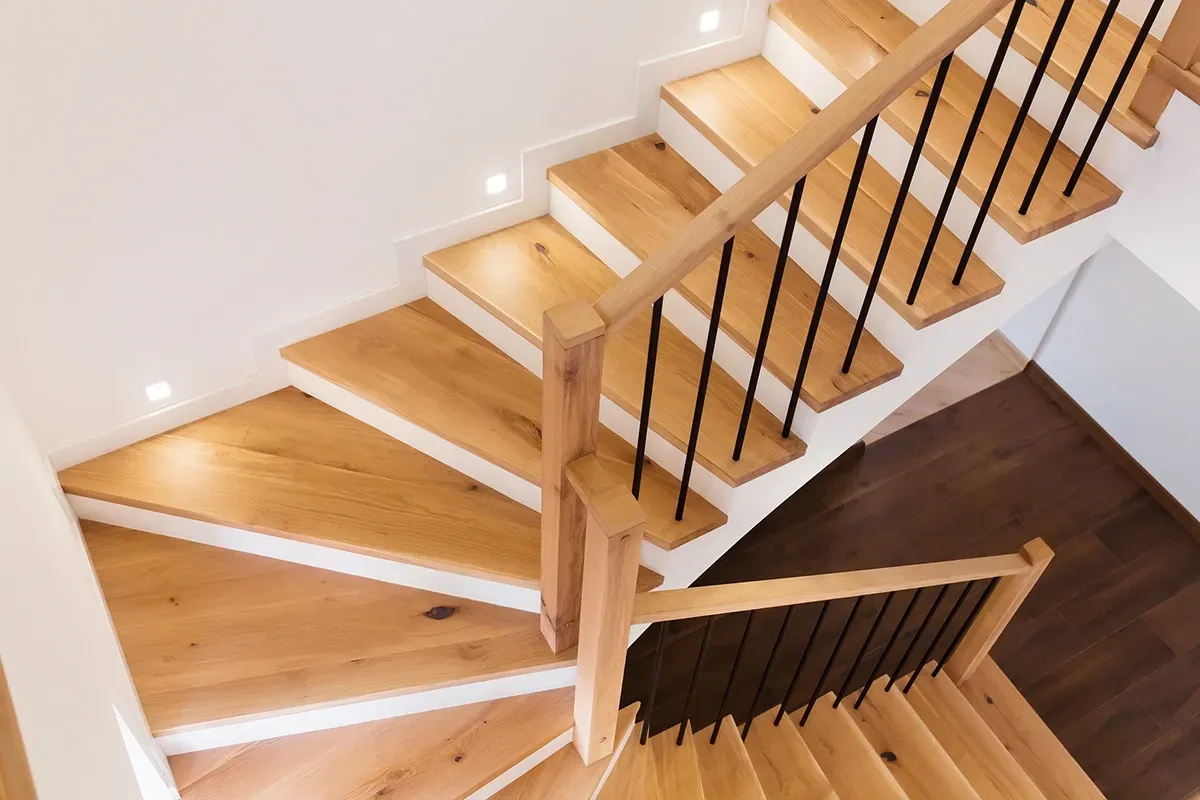
Solid hardwood flooring, by contrast, is exactly what it sounds like: each plank is made from a single, solid piece of real wood. It is typically nailed or stapled to a wood subfloor and can be sanded and refinished multiple times over its lifespan. Species options like oak, maple, hickory, and walnut offer a variety of grain patterns, colors, and hardness levels.
The difference between synthetic construction and real wood composition influences nearly every performance category—durability, moisture resistance, longevity, and visual character.
Appearance & Authenticity
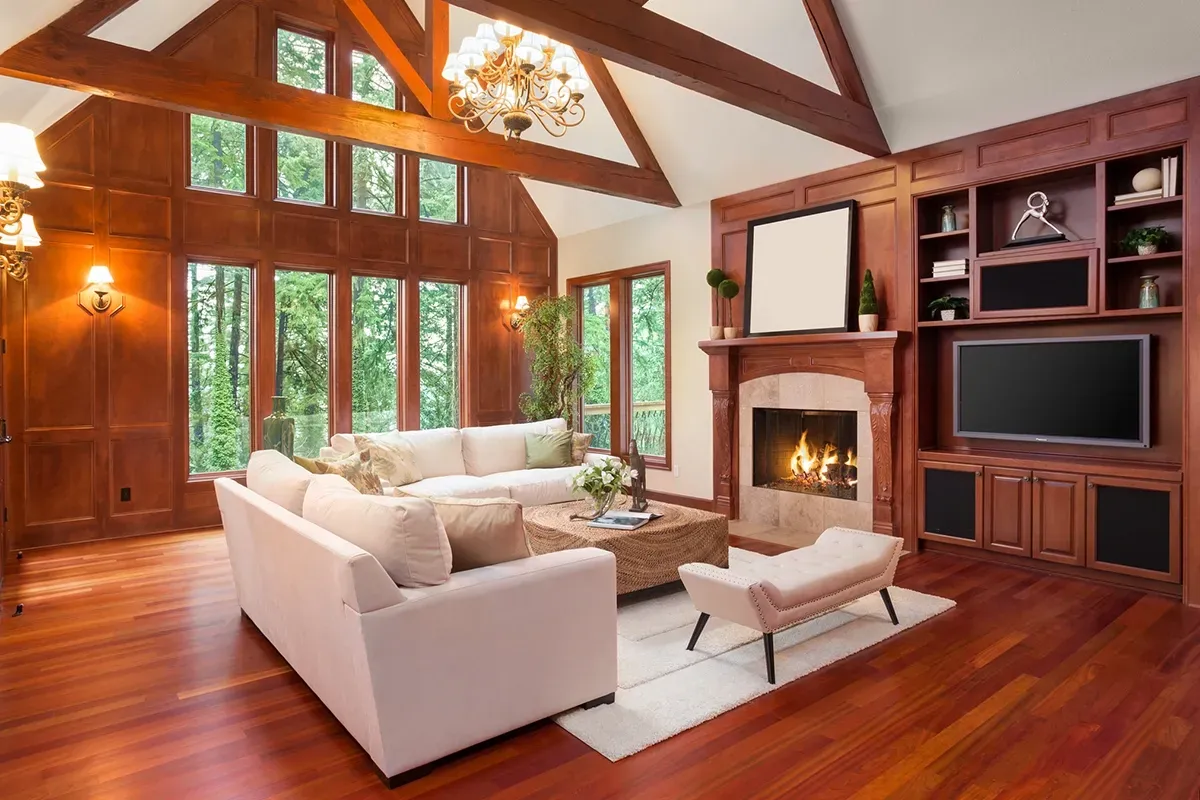
Solid hardwood flooring has a natural beauty that synthetic flooring can’t fully duplicate. Every board has its own grain, tone, and character marks. The way real wood reflects light and develops a patina over time contributes to the richness and depth of a hardwood floor.
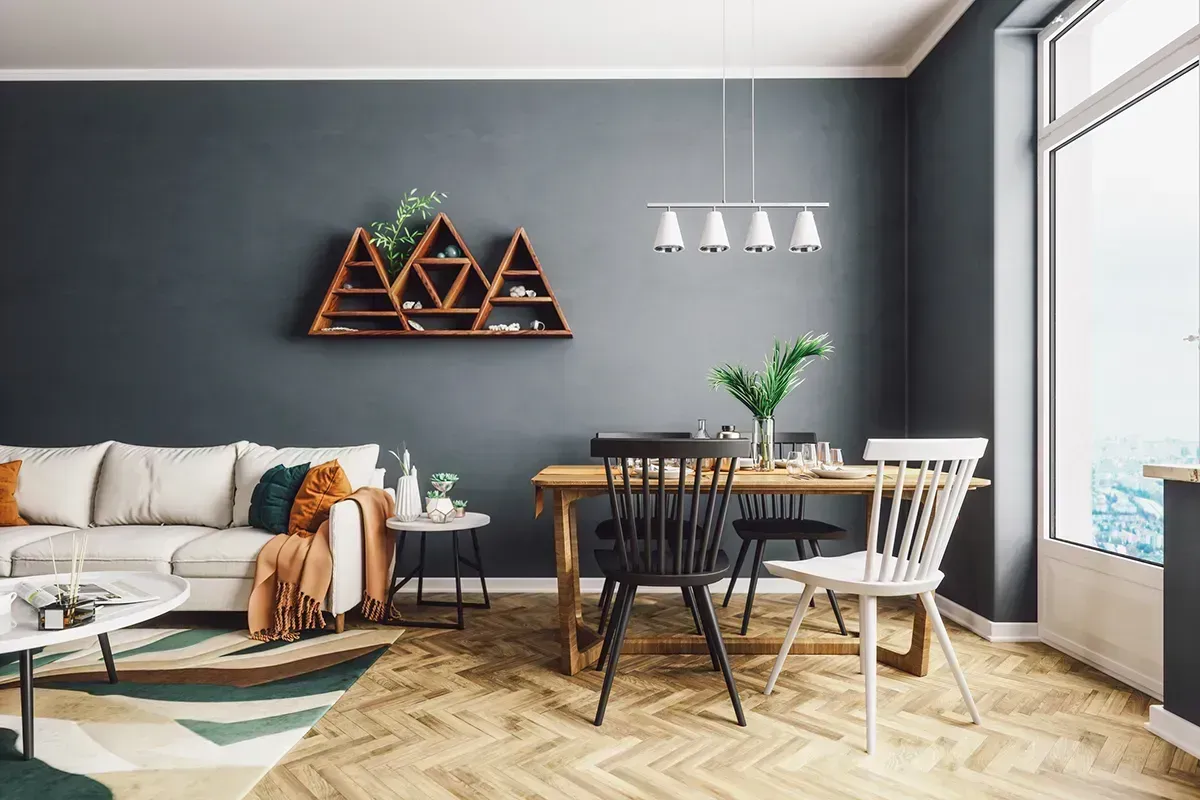
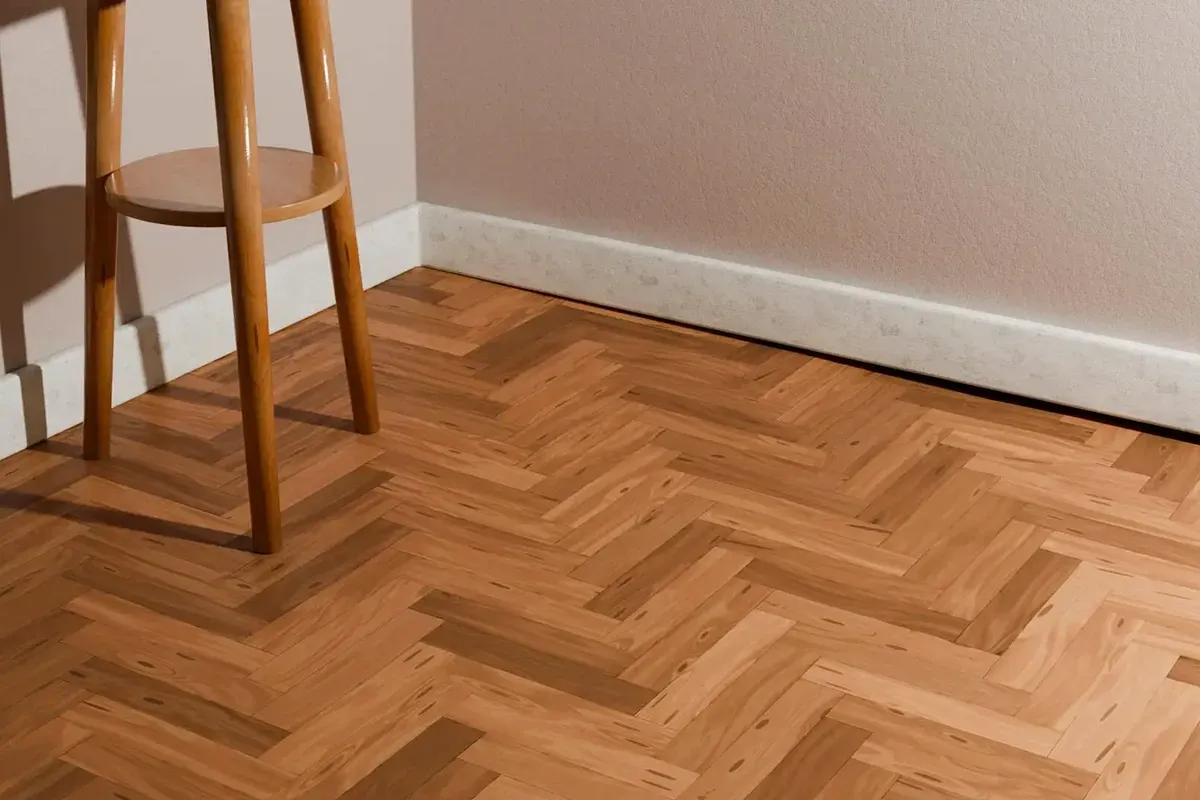
Laminate has improved dramatically in appearance over the past decade. High-resolution photography and embossed textures can create an impressively realistic wood look. Many homeowners are surprised at how convincing a premium laminate can be. Laminate also provides access to visuals that might be cost-prohibitive in solid hardwood, such as exotic species or dramatic hand-scraped, or wire-brushed finishes.
If your top priority is authentic, timeless character, solid hardwood wins. But if you want a realistic wood style at a more accessible price point, laminate offers excellent design flexibility.
Durability & Scratch Resistance
Laminate outperforms solid hardwood when it comes to resisting scratches and surface wear. The tough wear layer on laminate planks makes them ideal for homes with pets, young children, or high-traffic areas. If you’re concerned about everyday scuffs, laminate delivers dependable performance.
Solid hardwood, while strong, is still natural wood. It can scratch, dent, and show wear—especially in busy households. Harder species like hickory and maple offer better dent resistance than softer options like pine flooring. But even the hardest wood is still wood.
Where hardwood shines is in long-term durability. Unlike laminate, which cannot be refinished, solid hardwood can be sanded and refinished multiple times. This means scratches, fading, and wear can be sanded away, giving the floor a fresh start. Some solid hardwood floors last half a century or more with proper care.
If short-term durability and scratch resistance matter most, laminate has the advantage. If long-term longevity and renewability matter more, solid hardwood stands ahead.
Moisture Resistance & Installation Environments
Moisture sensitivity is one of the biggest differences between laminate and solid wood.
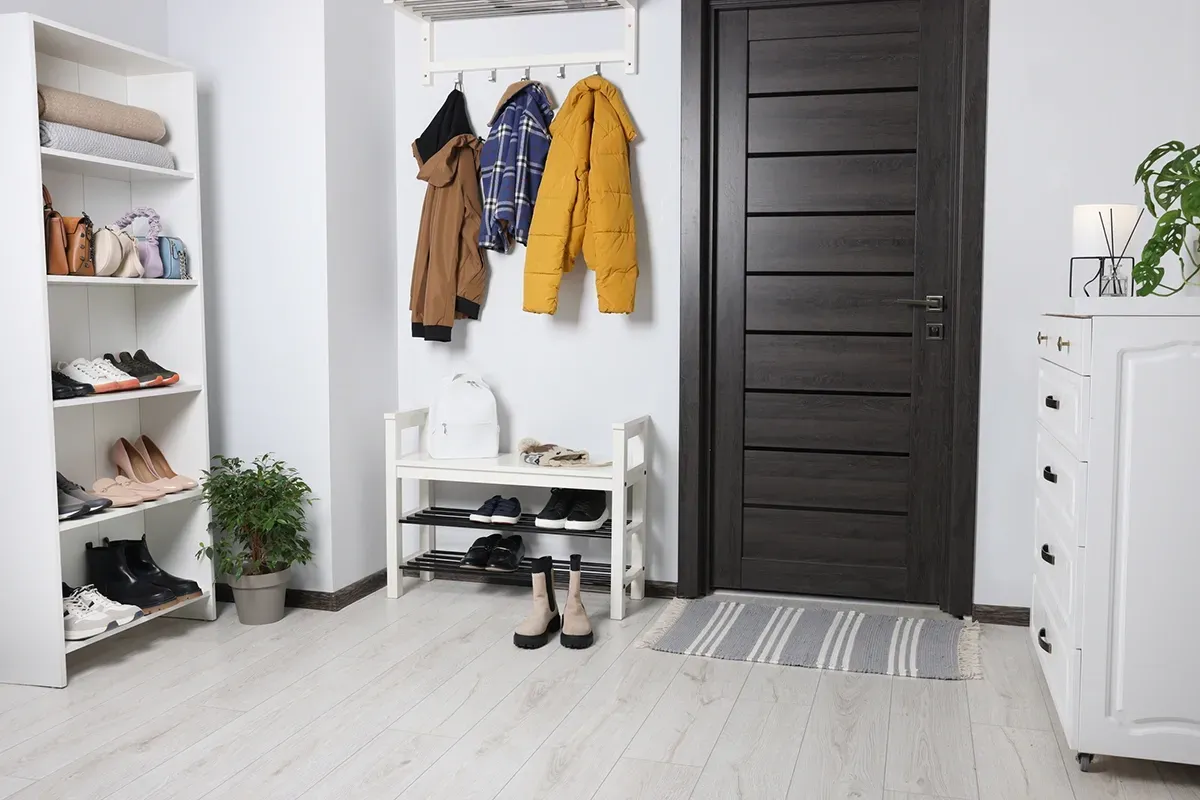
Laminate flooring offers better everyday moisture resistance. While it is not typically waterproof (unless you select a specific waterproof line), laminate handles occasional spills, active households, and humidity swings much better than solid hardwood. This makes laminate a practical choice for kitchens, entryways, hallways, and other areas where moisture is more common.
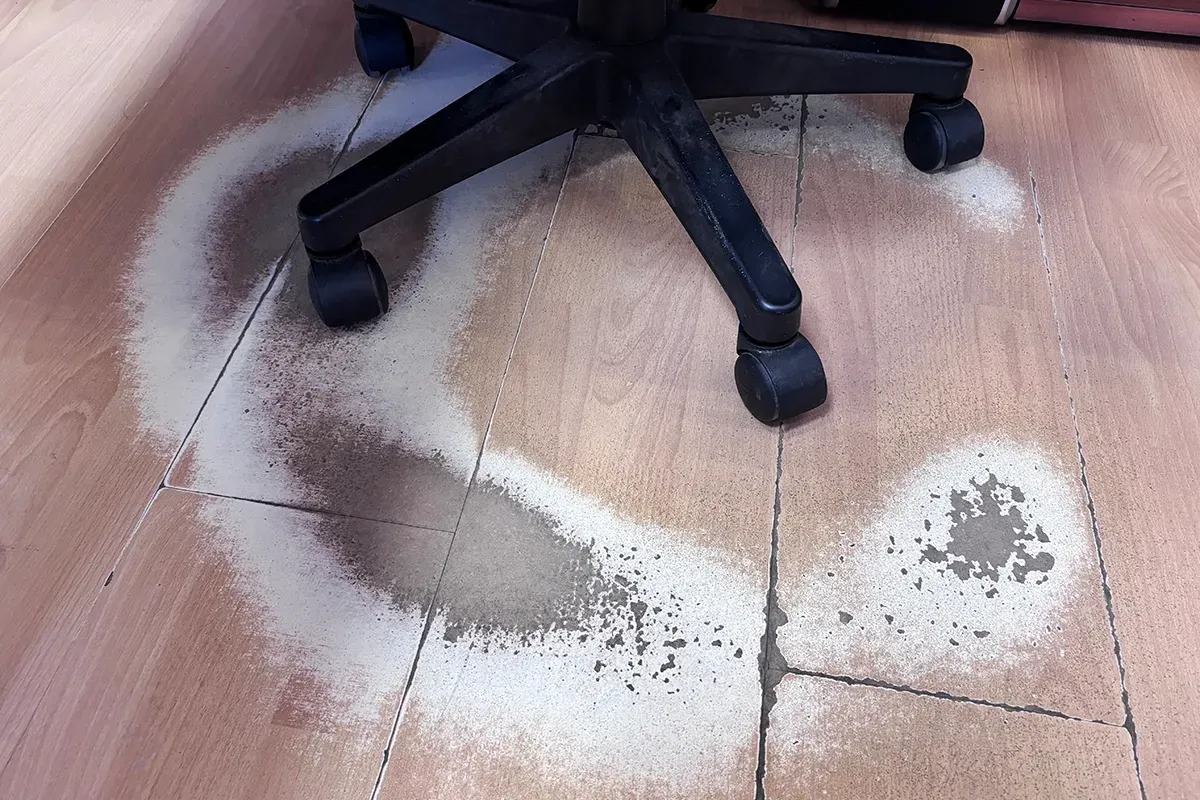
Solid hardwood, on the other hand, is highly sensitive to moisture. Solid wood expands and contracts with changes in humidity. If exposed to excessive moisture, it can cup, warp, or swell. For this reason, solid hardwood is not recommended for full bathrooms, basements, or any space that experiences frequent moisture.
If your installation area has variable moisture conditions or you want something more forgiving day-to-day, laminate will perform more reliably. If the environment is stable and climate-controlled, solid hardwood can truly shine.
Installation Considerations
Laminate is generally easier and faster to install because it uses a floating-floor locking system. It can be installed over many existing floors and over concrete, as long as proper underlayment is used. This makes laminate a popular option for DIYers, though many homeowners still prefer professional installation for best results.
Solid hardwood requires more specialized installation. It is typically nailed or stapled to a wooden subfloor and often requires acclimation before installation so the planks can adjust to your home’s humidity. Because of this, installation takes longer and requires more precise skill.
While laminate installation offers speed and flexibility, solid hardwood installation results in a more permanent, structurally integrated floor.
Comfort, Sound, & Feel
Laminate, being a floating floor, can sometimes produce a slightly hollow sound underfoot depending on the quality of the underlayment. Better underlayments can improve sound absorption and walking comfort significantly.
Solid hardwood has a more substantial, solid feel that homeowners often describe as warm and luxurious. The sound profile of real wood is distinct and often considered a hallmark of quality.
If you prioritize a solid, quiet, and premium feel underfoot, solid hardwood provides a sensory experience that laminate cannot fully match.
Maintenance & Upkeep
Both floors are relatively simple to maintain, but their long-term care differs.
Laminate maintenance includes:
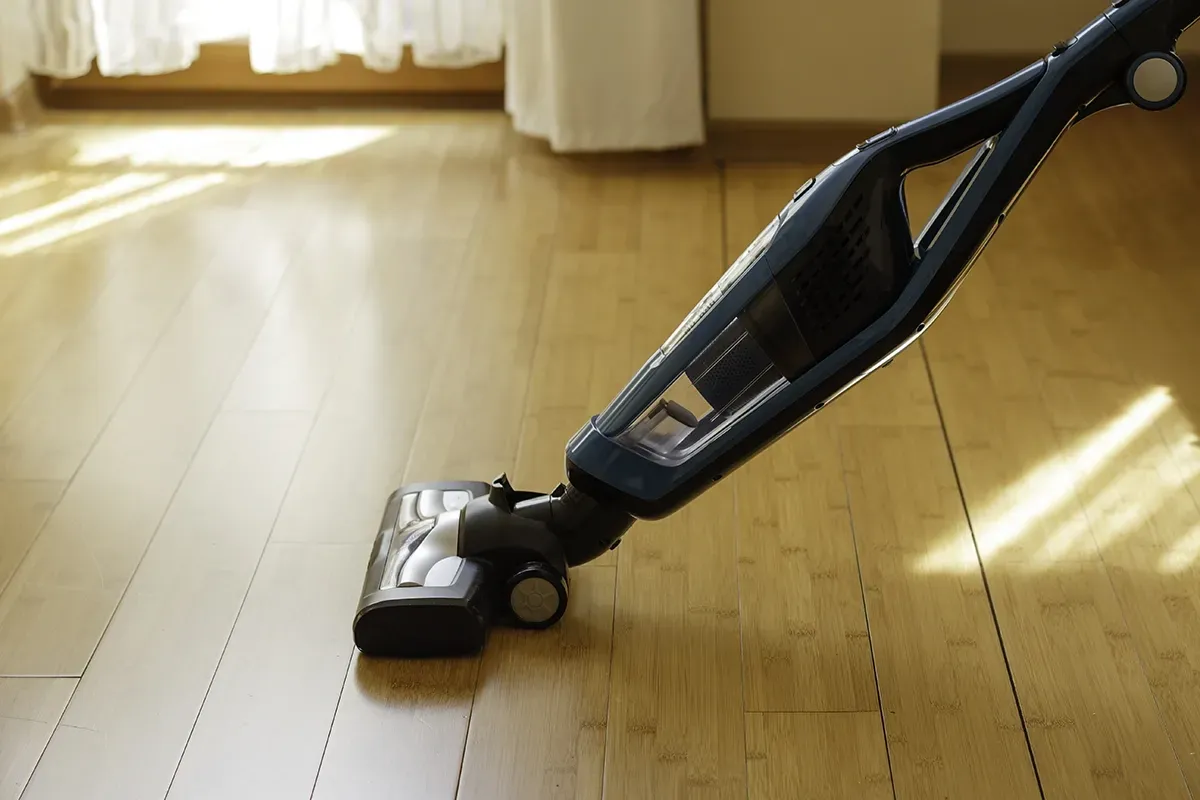
- Sweeping or vacuuming regularly
- Cleaning with laminate-safe products
- Avoiding steam mops and standing water
- No ability to refinish
Solid hardwood maintenance includes:
- Regular sweeping or vacuuming
- Using hardwood-specific cleaners
- Protecting the floor from moisture and scratches
- Refinishing every decade or so, depending on wear
Laminate is low maintenance in the short term. Solid hardwood requires more careful protection, but refinishing makes it far more adaptable over multiple decades.
Lifespan & Long-Term Value
Laminate floors generally last between 25 and 50 years, depending on the quality of the product and household activity level. Once the wear layer is damaged, the flooring typically needs replacement.
Solid hardwood, by contrast, is known for its exceptional lifespan. With careful maintenance and refinishing, many hardwood floors last 80 years or longer. Because of their longevity and desirability, solid hardwood floors can also contribute more positively to home resale value.
If you’re planning to stay in your home long-term or want the highest return on investment, solid hardwood offers unmatched endurance.
Cost Differences
Cost is often a deciding factor, and laminate is significantly more budget-friendly both in materials and installation. Homeowners looking for a wood look without a large upfront investment often find laminate to be the right fit.
Solid hardwood requires a larger initial investment, but its long lifespan and ability to be refinished make it a strong value over the long term. Many homeowners view solid hardwood as a lifelong upgrade rather than a short-term flooring decision.
Which One Should You Choose?
Here is a quick summary to guide your decision:
Choose laminate if:
- You want an affordable wood-look floor
- Your home has pets, kids, or heavy foot traffic
- Scratch resistance is a higher priority than long-term refinishing
- You need durability in moisture-prone areas
- You prefer a quick, easy installation process
Choose solid hardwood if:
- You want the most authentic wood appearance
- You’re planning a long-term investment in your home
- You value the ability to sand and refinish the floor
- The installation area is climate-controlled and low moisture
- You want a premium, timeless material with long-term resale value
Both options can be excellent choices depending on your needs. The key is aligning the floor’s strengths with your household’s lifestyle and your long-term plans.
Ready to Explore Options? We’re Here to Help.
If you’re weighing the purchase of laminate versus hardwood flooring for your home, we can guide you through samples, style comparisons, and installation recommendations specific to your space.
We encourage Portland-based homeowners to Contact Rejuvenation Floor & Design today to schedule your free in-home estimate and start planning your flooring project.
About the Author:
Levi Winkler is the owner of Rejuvenation Floor & Design, where he has been helping homeowners and businesses transform their spaces with high-quality flooring for over 16 years. Based in Portland, Oregon, Levi specializes in hardwood flooring, as well as luxury vinyl, laminate, and more. With decades of hands-on flooring installation and restoration experience, Levi is known for his attention to detail, product knowledge, and commitment to long-lasting results. He works closely with clients to ensure every flooring project is tailored to their style, needs, and budget.
Recent Articles