Sagging Floors: Causes, Warning Signs & Fixes
December 1, 2025, by Levi Winkler, Flooring Expert & Owner of Rejuvenation Floor & Design
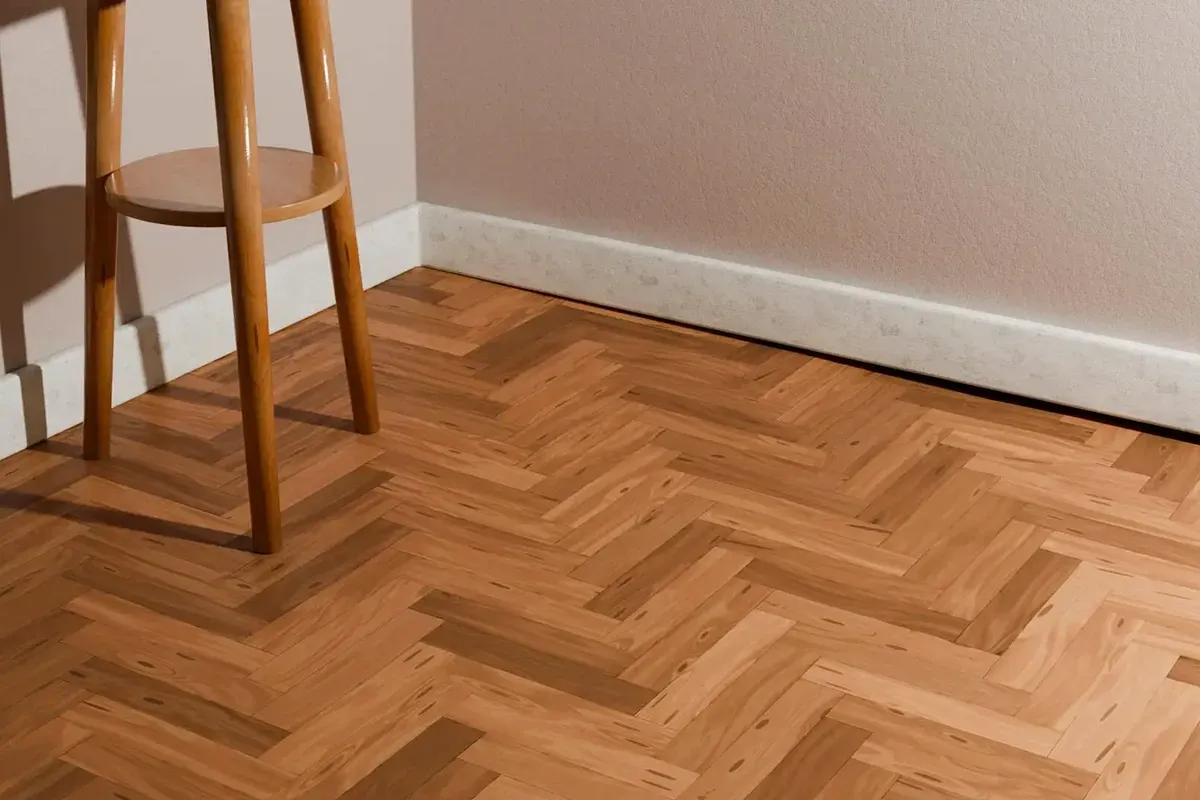
A sagging floor is one of those problems homeowners often notice slowly, then all at once. Maybe a section feels soft underfoot. Maybe furniture doesn’t sit level anymore. Or maybe you realize that the gorgeous new flooring you want to install will only highlight the sloping spot you keep pretending not to see. Whatever finally draws your attention to it, sagging floors should never be ignored. They are almost always a sign of an underlying structural issue, and the sooner you address them, the easier and more affordable the solution tends to be.
At Rejuvenation Floor & Design, we work in homes of every age and condition. While our role often centers on the finished flooring itself, we routinely see the problems homeowners face long before a new floor can be installed. In this blog, we will walk through the major causes of sagging floors, the warning signs you should never overlook, how repairs typically work, and what to expect when preparing for new flooring. Whether your home is decades old or newly built, this guide will help you understand what is happening beneath your feet.
What Causes Sagging Floors?
Sagging floors can be caused by a range of structural and moisture-related issues. While each home is different, the following are the most common sources.
1. Moisture and Water Damage
Water is the biggest enemy of wood framing. If your home has experienced leaks, chronic humidity, plumbing failures, or poor crawlspace ventilation, the subfloor and joists can slowly weaken. When wood absorbs moisture, it softens, swells, and becomes vulnerable to rot. Over time, even minor water exposure can cause areas of the floor to lose their rigidity and begin sagging.
Moisture-related damage is especially common in older homes with crawlspaces, homes with outdated plumbing, and any structure where ground moisture is not properly managed. If the joists or beams have begun to decay, the structure loses its ability to support weight, creating dips or spongy sections.
2. Foundation Settlement or Movement
If your foundation sinks or shifts, the rest of the house follows. Even slight settlement can cause the floors to slope or dip toward the area of movement. Foundation settlement is more common in regions with expansive soil, uneven moisture distribution around the foundation, or improper drainage.
Homes built several decades ago may also experience settlement simply due to age and natural soil movement. While some settling is normal, significant or uneven settlement can lead to noticeable sagging.
3. Undersized or Over-Spanned Joists
Building standards have changed dramatically over time. Many older homes were built with joists that, by today’s standards, would be considered undersized for the span they were covering. When joists are stretched too far without proper support, they gradually bow downward.
Even in newer homes, floors can sag if builders cut corners or use materials that meet only minimum load requirements. Over time, furniture, appliances, and daily use can push these materials beyond their limits.
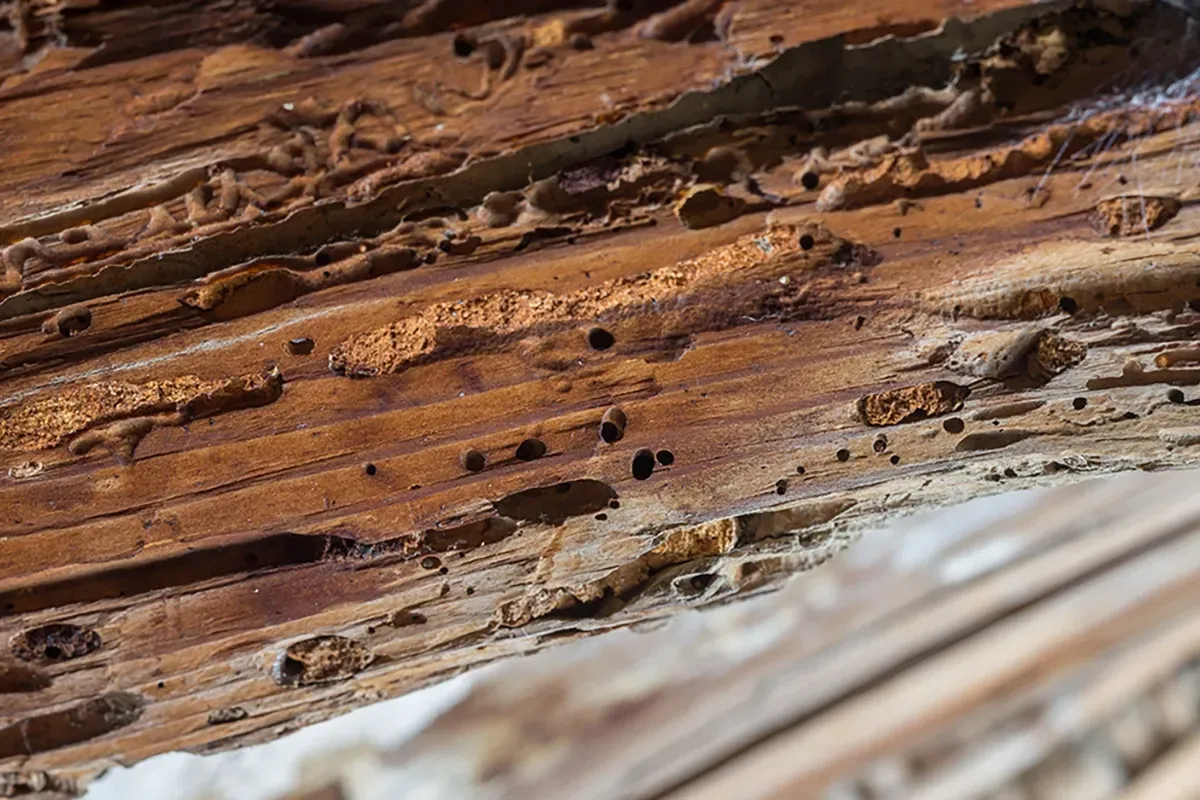
4. Termite or Pest Damage
Termites, carpenter ants, and wood-boring beetles can all weaken structural framing. Damage often goes unnoticed for years because it occurs inside joists, beams, and subfloor layers. By the time sagging becomes noticeable, pests may have compromised the wood enough to require major structural repair.
5. Failing or Degraded Support Beams
The beams and posts beneath your floor system are critical to its strength. If these supports fail—due to rot, age, moisture, pests, or movement—the floor above them loses stability. This often results in a distinct dip around the unsupported area.
Homes with crawlspaces are particularly prone to this issue, especially if the support posts were originally installed on simple concrete pads rather than deeper, stabilized footings.
6. Subfloor Deterioration
Sometimes the problem isn’t the joists or beams at all—it is the subfloor layer resting on top of them. Subflooring can fail due to water damage, age, or poor-quality materials. Particle board, which was commonly used in older homes, is especially susceptible to moisture and can crumble or compress over time.
When the subfloor weakens, it may feel soft, spongy, or uneven even if the structural framing beneath it is intact.'
Warning Signs You Should Never Ignore
Sagging floors are not always dramatic. In fact, most homeowners don’t notice the early signs until the problem has progressed significantly. Here are the key indicators to watch for.
1. A Noticeable Dip or Sloping Section
If you can clearly see a slope, dip, or depression, structural movement has already occurred. Even small dips can be a sign of deeper problems.
2. Furniture That No Longer Sits Level
If your dining table, sofa, or bookshelves lean or rock, the floor may be sloping. Many homeowners first notice this when a door begins swinging open on its own because the floor beneath the frame is no longer level.
3. A Soft or Spongy Feeling When You Walk
This is one of the most important warning signs. A soft spot indicates that moisture, rot, or subfloor deterioration is present. It should be addressed immediately, especially if the softness grows over time.
4. Cracks in Walls or Gaps Above Trim
When floors shift, the movement can affect walls and trim. You might notice:
- Cracks near door frames
- Gaps between baseboards and the floor
- Nail pops in the drywall
These can signal structural shifting below the surface.
5. Doors That Stick or No Longer Close Properly
If doors suddenly drag or no longer latch, it may be a sign that the floor beneath the doorframe has moved out of alignment.
6. Musty Smells from the Crawlspace or Basement
A musty odor often means moisture is present. And where moisture lingers, wood rot and pest activity are not far behind. If this happens in conjunction with any floor movement, further inspection is necessary.
How to Fix Sagging Floors
The solution depends on the underlying cause. Sagging floor repair can range from relatively simple to highly involved. Below are the most common approaches.
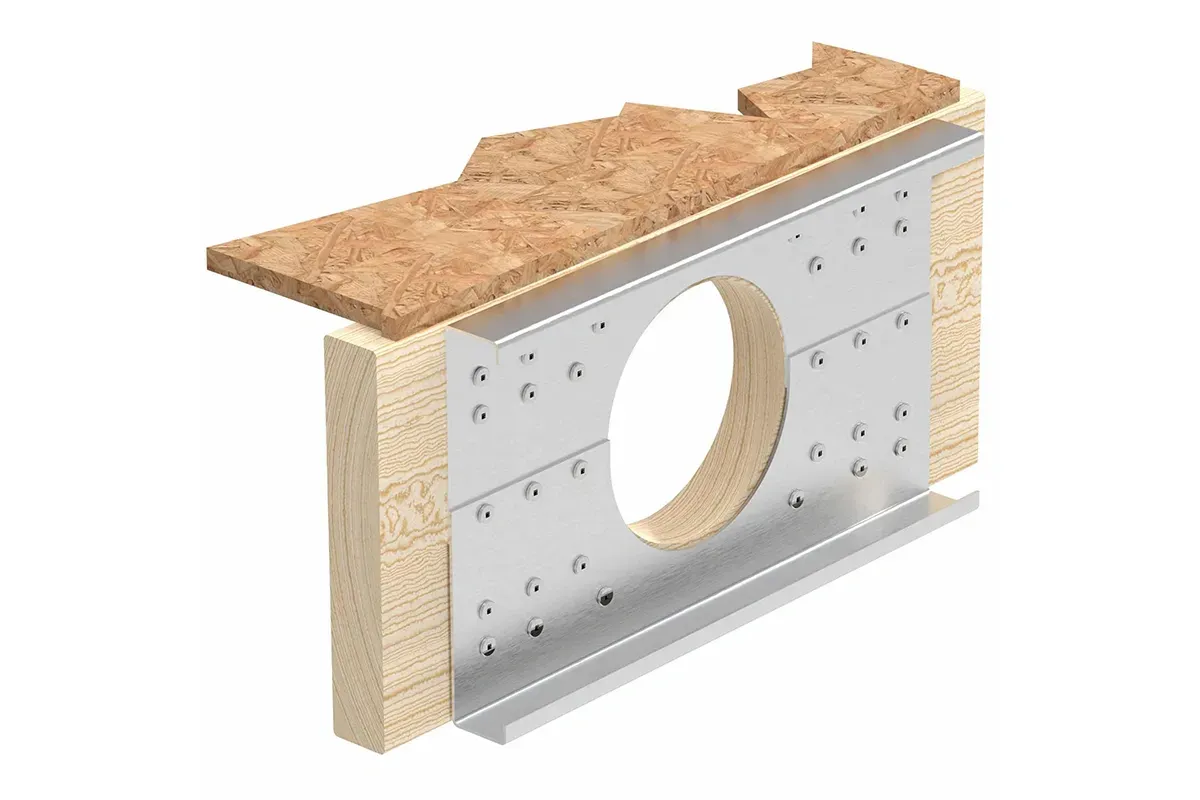
1. Structural Reinforcement or Joist Repair
If joists are sagging due to age, over-spanning, or minor deterioration, reinforcing weakened joists may include:
- Sistering new lumber alongside weakened joists
- Adding new support posts or beams
- Installing steel jack posts to lift and stabilize the floor
These methods strengthen the existing structure and restore proper support.
2. Replacing Rotted or Damaged Wood
In cases of moisture damage or pest activity, the rotten joists, beams, or subfloor sections may need to be removed and replaced. While this can be labor-intensive, it is essential for maintaining the safety and stability of the home.
3. Foundation Repair or Leveling
If foundation settlement is the main culprit, methods may include:
- Helical or
push piers
- Slab leveling or mudjacking
- Drainage improvements around the home
Addressing foundation issues is critical before attempting to level or replace flooring.
4. Subfloor Replacement
If the subfloor itself is damaged, replacing it ensures a stable, flat, long-lasting surface for new flooring installation. This is especially necessary before installing hardwood, tile, or luxury vinyl.
5. Moisture Management Solutions
Long-term solutions may require improving:
- Drainage around the home
- Crawlspace ventilation
- Vapor barriers
- Dehumidifiers
- Encapsulation systems
Moisture control prevents future damage and protects new flooring.
Frequent Questions about Saggy Floors
1. Why are my floors sagging?
Floors usually sag due to weakened support beams, water damage, foundation settlement, or issues in the crawl space/basement.
2. Can sagging floors collapse?
Yes, in severe cases. Sagging can indicate structural failure, so ignoring it can lead to partial or full collapse over time.
3. Should I buy a house with sagging floors?
Only if you get a structural inspection and factor repair costs into the price; it’s a red flag but not always a deal-breaker.
4. Can you sell a house with sagging floors?
Yes, but you must disclose the issue. It may reduce your selling price or require repairs before listing.
5. How much does it cost to fix sagging floors?
Repairs can range from $1,000 to $15,000+ depending on the cause—minor joist repairs cost less, major foundation work costs more.
6. Will homeowners insurance cover sagging floors?
Usually no—unless the sagging was caused by a covered event (like a sudden burst pipe). Gradual damage is typically excluded.
7. Who fixes sagging floors?
Structural engineers diagnose the issue; foundation repair companies, contractors, or carpenters perform the repairs.
8. How to repair sagging floors?
You repair them by identifying the cause, reinforcing or replacing damaged joists, improving support beams, or fixing foundation issues.
9. How to jack up sagging floors?
Use adjustable floor jacks and beams to slowly lift the floor over days or weeks—usually done by professionals to avoid damage.
10. How to fix sagging floors above crawl spaces?
Improve moisture control, replace damaged joists, add support posts, and stabilize or repair the crawl-space foundation.
11. How to fix sagging floors on second floor?
Typically involves repairing joists from below, adding sister joists, or reinforcing load-bearing walls or beams.
How Sagging Floors Affect Your Flooring Project
Before installing new flooring, it’s ideal to resolve structural issues. New flooring cannot correct sagging, and installing over an unstable subfloor could lead to:
- Uneven wear
- Gapping or buckling
- Premature flooring failure
- Voided warranties
At Rejuvenation Floor & Design, we always assess subfloor and structural conditions before a flooring project begins. If we discover signs of sagging, we’ll guide you on the steps needed to stabilize the structure so your new flooring performs the way it should.
When to Call a Professional
If you notice any of the warning signs listed above, it’s time to bring in a professional. Sagging floors rarely improve on their own. The earlier the diagnosis, the more manageable the repair.
For local homeowners in the Portland, Oregon area planning new flooring or wanting to address concerns about sagging floors, contact Rejuvenation Floor & Design for a free estimate. We're here to help you understand your options and move forward with a stronger, safer home.
About the Author:
Levi Winkler is the owner of Rejuvenation Floor & Design, where he has been helping homeowners and businesses transform their spaces with high-quality flooring for over 16 years. Based in Portland, Oregon, Levi specializes in hardwood flooring, as well as luxury vinyl, laminate, and more. With decades of hands-on flooring installation and restoration experience, Levi is known for his attention to detail, product knowledge, and commitment to long-lasting results. He works closely with clients to ensure every flooring project is tailored to their style, needs, and budget.
Recent Articles