Hardwood Flooring on Stairs: Materials & Finishes Explained
February 4, 2026, by Levi Winkler, Flooring Expert & Owner of Rejuvenation Floor & Design
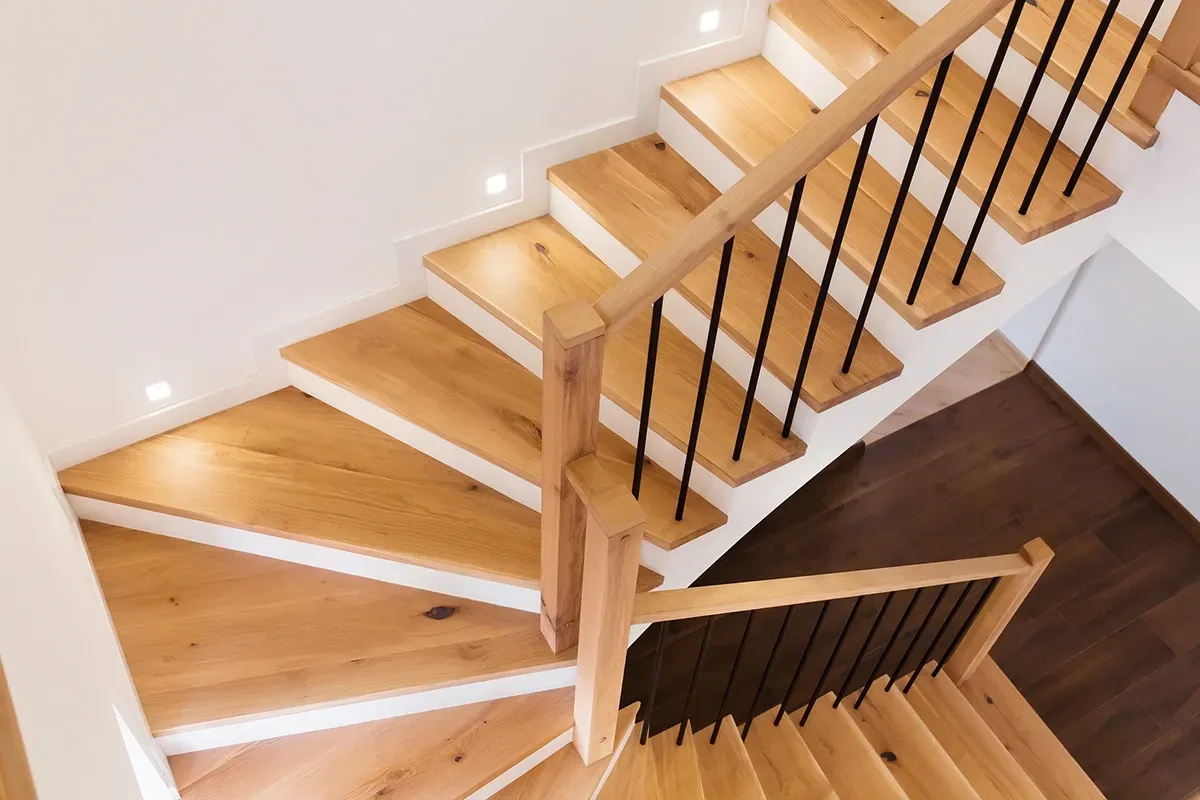
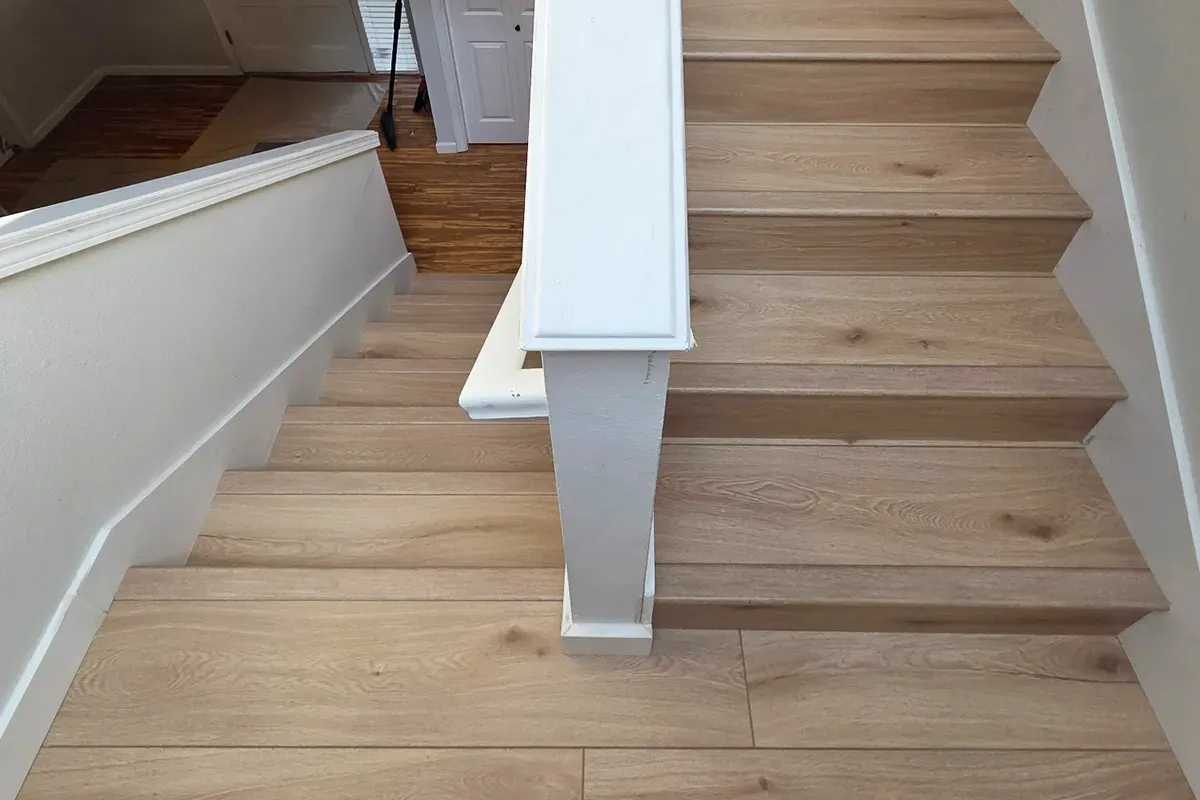
Hardwood flooring on stairs makes a powerful first impression. Whether they're visible from your entryway, wrapping through a main living space, or tucked into a quiet hallway, stairs are one of the most used—and most scrutinized—surfaces in a home. Choosing hardwood for stairs isn’t just about aesthetics; it’s about durability, safety, maintenance, and how well the material holds up under daily traffic.
Unlike flat flooring, stairs introduce additional considerations: nosing profiles, traction, finish performance, and transitions to nearby flooring. A material that works beautifully in a living room may not automatically be the best choice for stair treads. This guide breaks down the best hardwood materials and finishes for stairs, explains why some options perform better than others, and offers expert insights to help homeowners make confident, long-term decisions.
Why Hardwood is a Popular Choice for Stairs
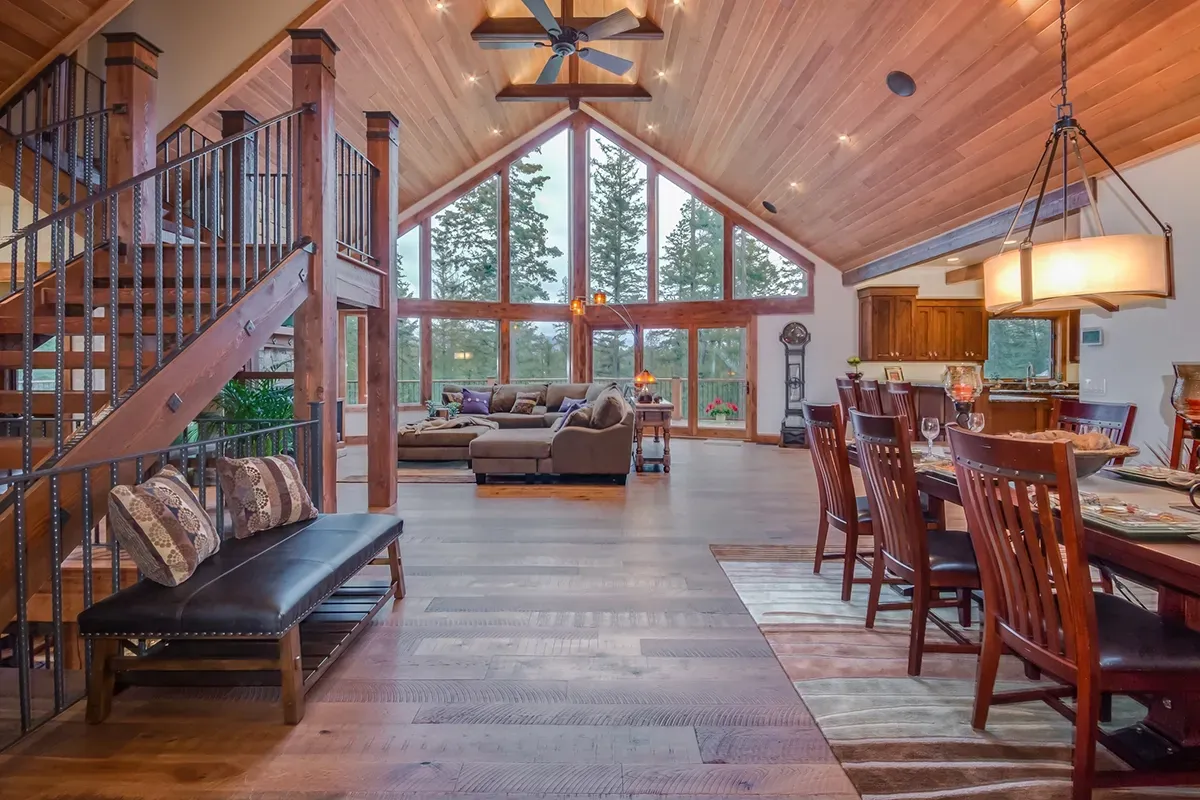
Hardwood on stairs remains one of the most sought-after materials for good reason. It offers a timeless look, strong resale appeal, and the ability to seamlessly connect multiple levels of a home. When done correctly, hardwood stairs feel solid, quiet, and intentional.
Key advantages include:
- Visual continuity: Matching or complementing hardwood floors creates a cohesive flow between levels.
- Durability: Quality hardwood can handle years of foot traffic when paired with the right finish.
- Refinishing potential: Solid hardwood stairs can often be sanded and refinished multiple times.
- Design flexibility: Stains, sheens, and tread styles allow for modern, traditional, or transitional looks.
That said, not all hardwoods—or finishes—perform equally on stairs. Understanding where performance matters most is critical.
Solid vs. Engineered Hardwood on Stairs
One of the first decisions is whether to use solid or engineered hardwood flooring on stairs. Both can work well on stairs, but each has advantages depending on the home and installation conditions.
Solid Hardwood Stairs
Solid hardwood is milled from a single piece of wood and is often considered the traditional choice for stair treads.
Pros:
- Can be sanded and refinished multiple times
- Feels substantial and classic underfoot
- Ideal for stain customization
Cons:
- More sensitive to humidity changes
- Requires proper acclimation and installation
- Typically higher upfront cost
Solid hardwood is best suited for climate-controlled homes where humidity levels remain relatively stable year-round.
Engineered Hardwood Stairs
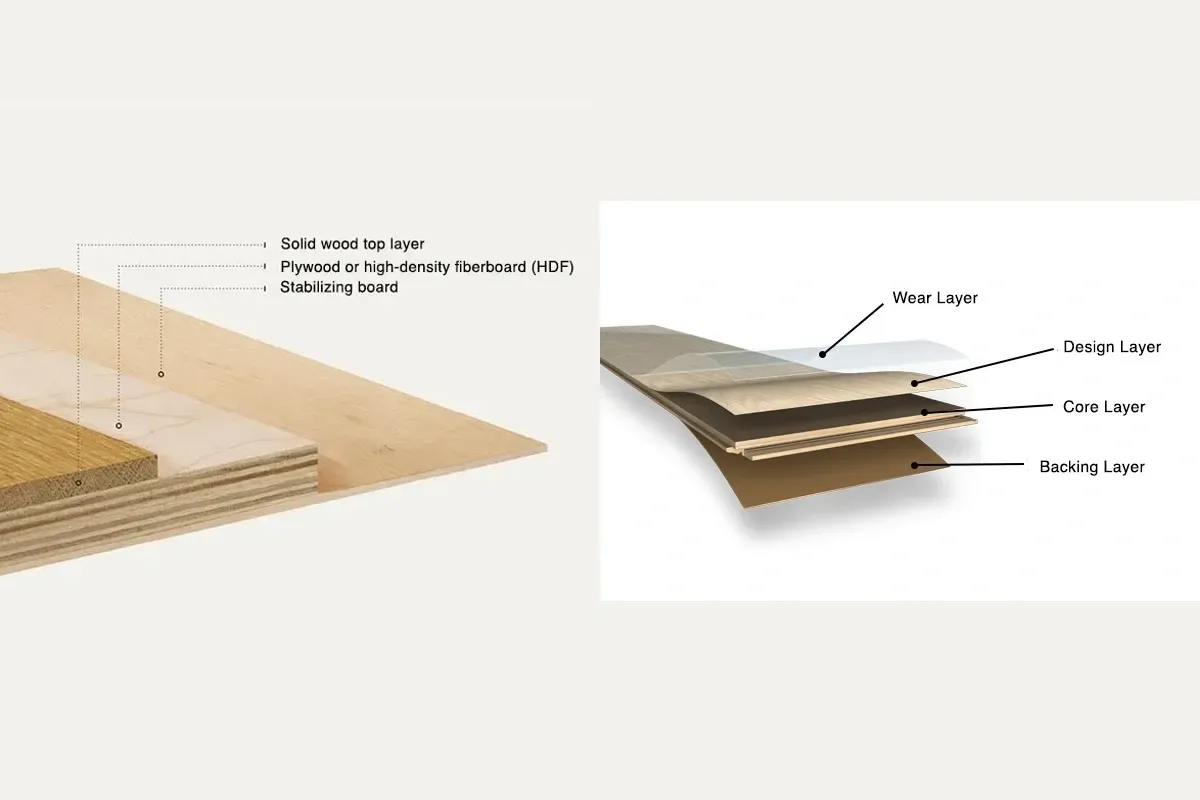
Engineered hardwood consists of a real wood veneer over a layered core designed for stability.
Pros:
- Greater dimensional stability
- Performs well in homes with fluctuating humidity
- Often available prefinished with durable coatings
- Wider planks may reduce labor on the treads & risers
Cons:
- Limited refinishing potential (depending on veneer thickness)
- Fewer on-site customization options
Engineered hardwood is a strong option for stairs connected to basements, slab foundations, or homes in variable climates.
Best Hardwood Species for Stairs
Stairs experience concentrated wear in specific areas—especially along tread centers and nosings. Species selection matters.
1. White Oak
White oak is one of the most recommended hardwoods for stairs.
- Hard and durable
- Tight grain pattern hides wear
- Accepts stains evenly
- Works well in both traditional and modern interiors
Its natural resistance to moisture also makes it more forgiving in high-traffic staircases.
2. Red Oak
Red oak remains a classic choice and is often used in older homes.
- Slightly softer than white oak
- Pronounced grain pattern
- Typically more budget-friendly
While durable, red oak may show dents and wear a bit more quickly than harder species.
3. Maple
Maple is extremely hard and smooth, making it a strong performer structurally.
- Clean, modern appearance
- Very resistant to denting
- Less forgiving with stain consistency
Maple stairs are often finished in lighter or natural tones to avoid blotching.
4. Hickory
Hickory is one of the hardest domestic hardwoods available.
- Exceptional durability
- Strong visual variation
- Excellent for busy households
Its bold character can be a design feature, but it may not suit minimalist aesthetics.
5. Walnut
Walnut offers rich color and elegance, but it’s softer than oak or hickory.
- Luxurious appearance
- Best for lower-traffic staircases
- Often paired with runners for protection
Stair-Specific Construction Considerations
Hardwood stairs are not simply flooring installed vertically. Proper construction details affect both safety and longevity.
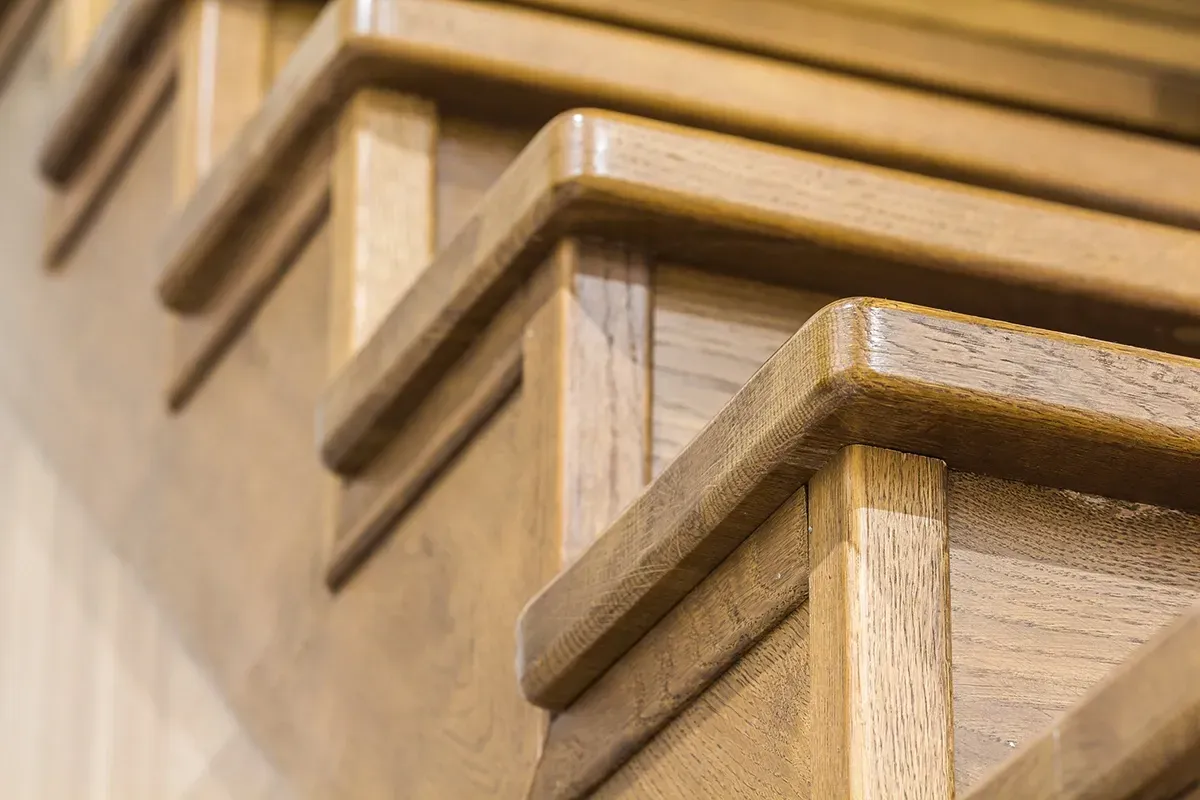
Stair Treads vs. Stair Nosing
- Treads are the horizontal surfaces you step on.
- Nosing is the rounded or squared edge that extends past the riser.
High-quality nosing is critical. Poorly matched or thin nosing is one of the most common failure points on hardwood stairs.
One-Piece vs. Retrofit Treads
- One-piece treads are ideal for new construction or full stair rebuilds.
- Retrofit treads fit over existing stairs and are common in remodels.
Both can perform well when installed correctly, but retrofit installations require precise measurement and fastening to avoid squeaks or movement.
Best Finishes for Hardwood Stairs
Finish selection may be the single most important decision for hardwood stair performance. Stairs need finishes that balance durability, traction, and appearance.
1. Oil-Based Polyurethane
- Extremely durable
- Warm amber tone
- Longer cure time
Oil-based polyurethane is tough and long-lasting but can darken over time.
2. Water-Based Polyurethane
- Clear, non-yellowing finish
- Faster cure time
- Lower odor
Modern water-based finishes offer excellent durability and are a popular choice for occupied homes.
3. Hardwax Oil Finishes
- Natural, matte appearance
- Easy spot repair
- Requires more regular maintenance
Hardwax oils are attractive but may not be ideal for heavily used staircases without runners.
Sheen Levels and Slip Resistance
Stairs should never be overly glossy. Higher sheen levels show wear more quickly and can be slippery.
Recommended sheen levels:
- Satin
- Matte
- Low-gloss
These finishes help mask scratches and improve traction while maintaining a refined look.
Color Choices and Wear Visibility
Darker stairs can look dramatic but often show dust, scratches, and wear more easily. Medium tones and natural finishes tend to age more gracefully.
- Natural or light stains hide dust
- Medium browns balance warmth and practicality
- Very dark stains benefit from runners or textured finishes
Grain variation also plays a role—busier grain patterns conceal wear better than uniform surfaces.
Matching Stairs to Hardwood Flooring
Stairs do not always need to match flooring exactly. In many homes, a complementary tone creates better visual balance. Common approaches include:
- Matching species, different stain
- Matching stain, different plank width
- Contrasting stair treads with painted risers
Consistency in undertone is more important than exact color matching.
Maintenance and Long-Term Care
Properly finished hardwood stairs are easy to maintain but benefit from consistent care.
- Avoid wet cleaning methods
- Address scratches early
- Consider runners in high-traffic homes
- Buff & Recoat every couple years to avoid full scale sanding & restaining
Over time, stairs may need recoating sooner than flat floors due to concentrated wear.
Expert Takeaway: What Matters Most
Hardwood on stairs succeeds or fails based on how well material choice, construction details, and finish selection work together. The hardest wood species will still disappoint if paired with the wrong sheen, poorly fitted nosing, or a finish that can’t handle concentrated foot traffic. Likewise, a well-chosen finish can dramatically extend the life and appearance of even moderately hard species.
For most homes, the best-performing hardwood stairs prioritize stability, subtle texture, and finishes that resist wear without becoming slippery. Medium tones, satin or matte sheens, and species like white oak or hickory tend to age the most gracefully. Equally important is choosing stair-specific components—properly milled treads, durable nosing, and secure installation methods designed to eliminate movement and noise.
When planned thoughtfully, hardwood stairs should feel intentional, safe, and visually connected to the rest of the home. Rather than standing out for the wrong reasons, they should quietly support daily life while enhancing the overall flow between levels. Taking the time to evaluate materials and finishes upfront helps ensure your stairs remain a strong, lasting feature—not a future maintenance concern.
About the Author:
Levi Winkler is the owner of Rejuvenation Floor & Design, where he has been helping homeowners and businesses transform their spaces with high-quality flooring for over 16 years. Based in Portland, Oregon, Levi specializes in hardwood flooring, as well as luxury vinyl, laminate, and more. With decades of hands-on flooring installation and restoration experience, Levi is known for his attention to detail, product knowledge, and commitment to long-lasting results. He works closely with clients to ensure every flooring project is tailored to their style, needs, and budget.
Recent Articles