Birch Hardwood Flooring: Benefits, Drawbacks & Expert Tips
March 2, 2026, by Levi Winkler, Flooring Expert & Owner of Rejuvenation Floor & Design
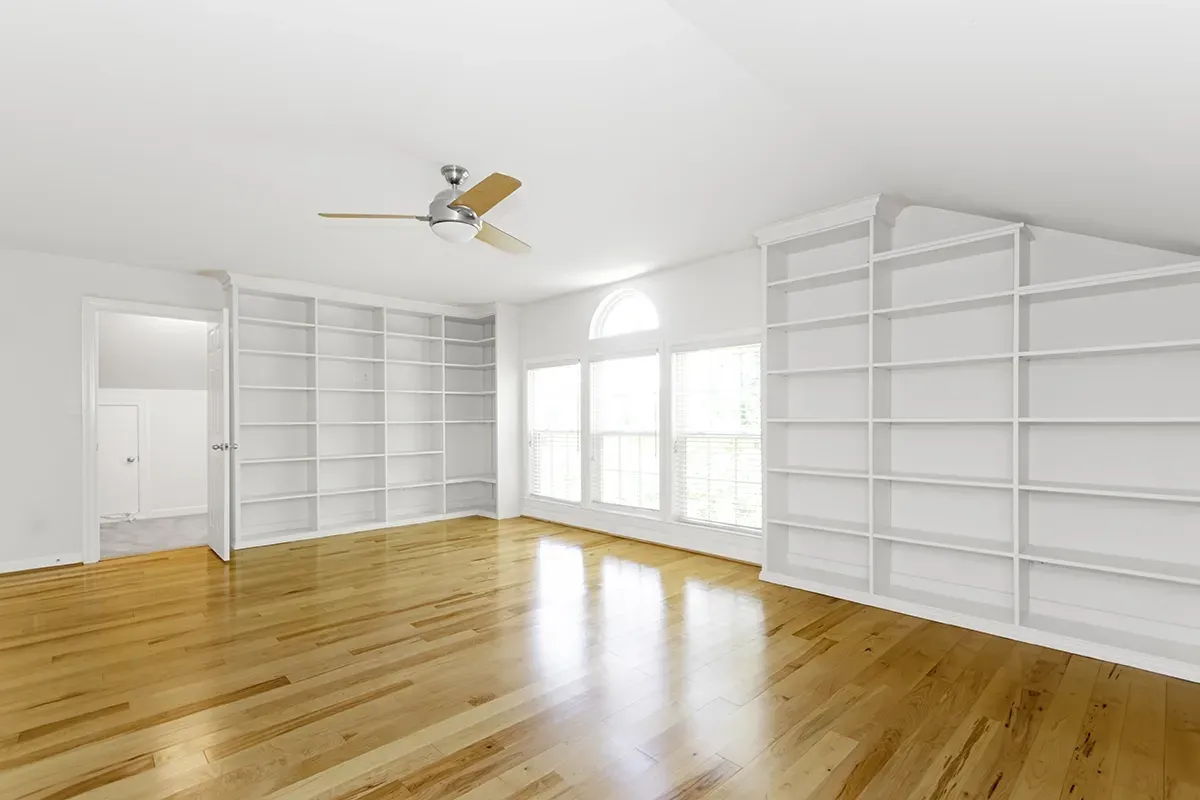
TL;DR: Birch flooring is an often-overlooked hardwood that offers a warm, natural appearance, fine grain, and solid durability for most residential spaces. It sits just slightly below red oak in hardness, making it suitable for living rooms, bedrooms, and hallways while remaining more affordable than many exotic species. Birch also stains well when properly prepared, allowing homeowners to achieve a wide range of color styles. However, it can be prone to dents in very active households and may stain unevenly without professional finishing. Overall, birch is a versatile, budget-friendly hardwood that works best for homeowners who appreciate subtle natural variation and want a balanced mix of beauty and practicality.
Introduction
When homeowners start exploring hardwood floors, birch flooring often flies under the radar. It doesn’t always get the same attention as oak, maple, or walnut—but that doesn’t mean it shouldn’t. Birch offers a unique blend of warmth, subtle grain character, and versatility that can make it an excellent fit in the right home.
At Rejuvenation Floor & Design, a leading flooring company in Portland, Oregon, we believe that birch is an underrated species that works beautifully in many residential settings when chosen and finished properly. Like any wood species, birch comes with strengths and trade-offs. Understanding how it performs, how it looks over time, and where it works best can help you decide whether it’s the right choice for your space.
In this guide, we’ll break down the pros, cons, and expert insights to help you make an informed decision.
What Is Birch Flooring?
Birch is a domestic hardwood commonly found in North America. The most popular varieties used for flooring include yellow birch and white birch. Yellow birch, in particular, is known for being harder and more durable, making it the more common choice for flooring applications.
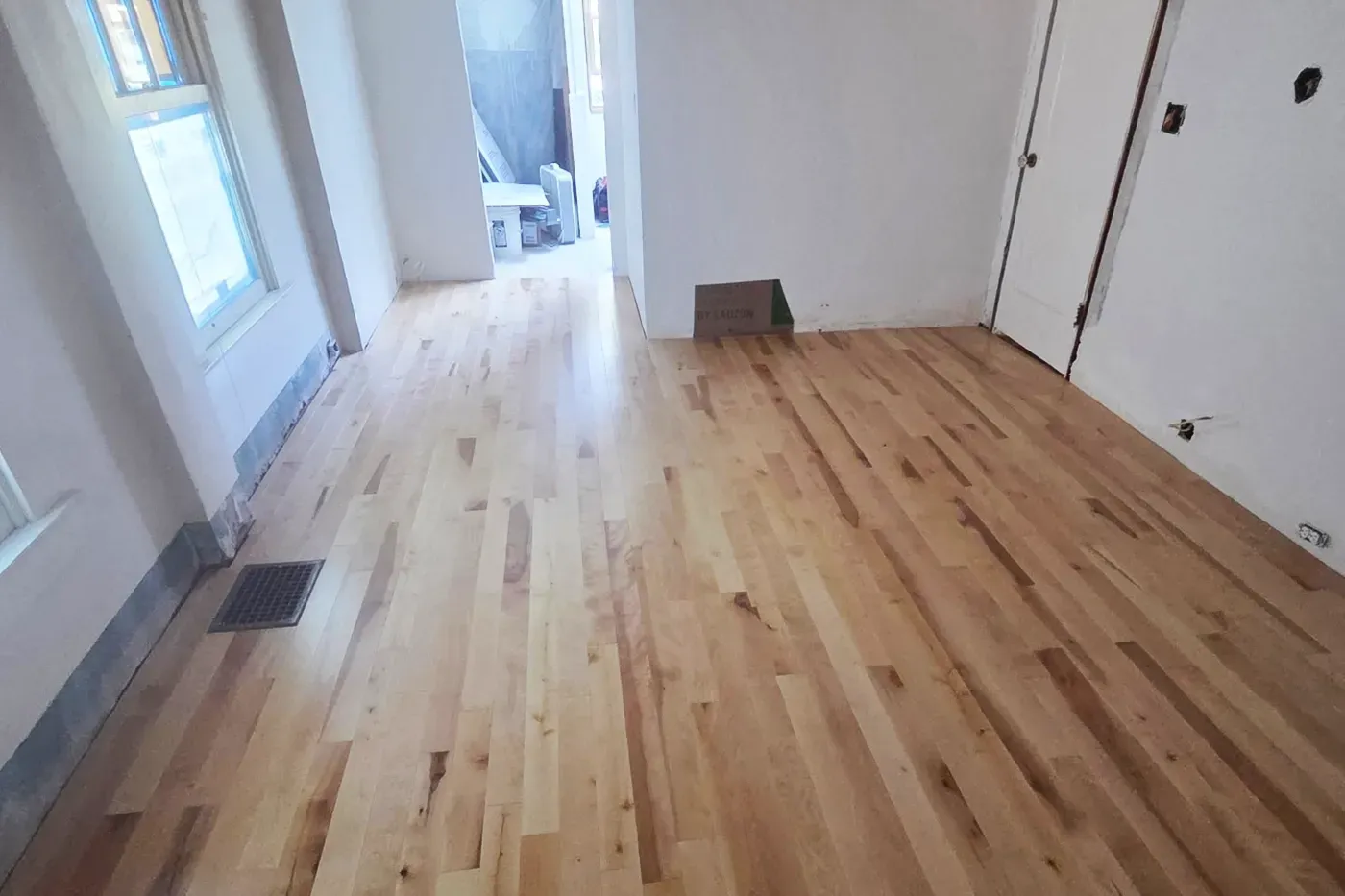
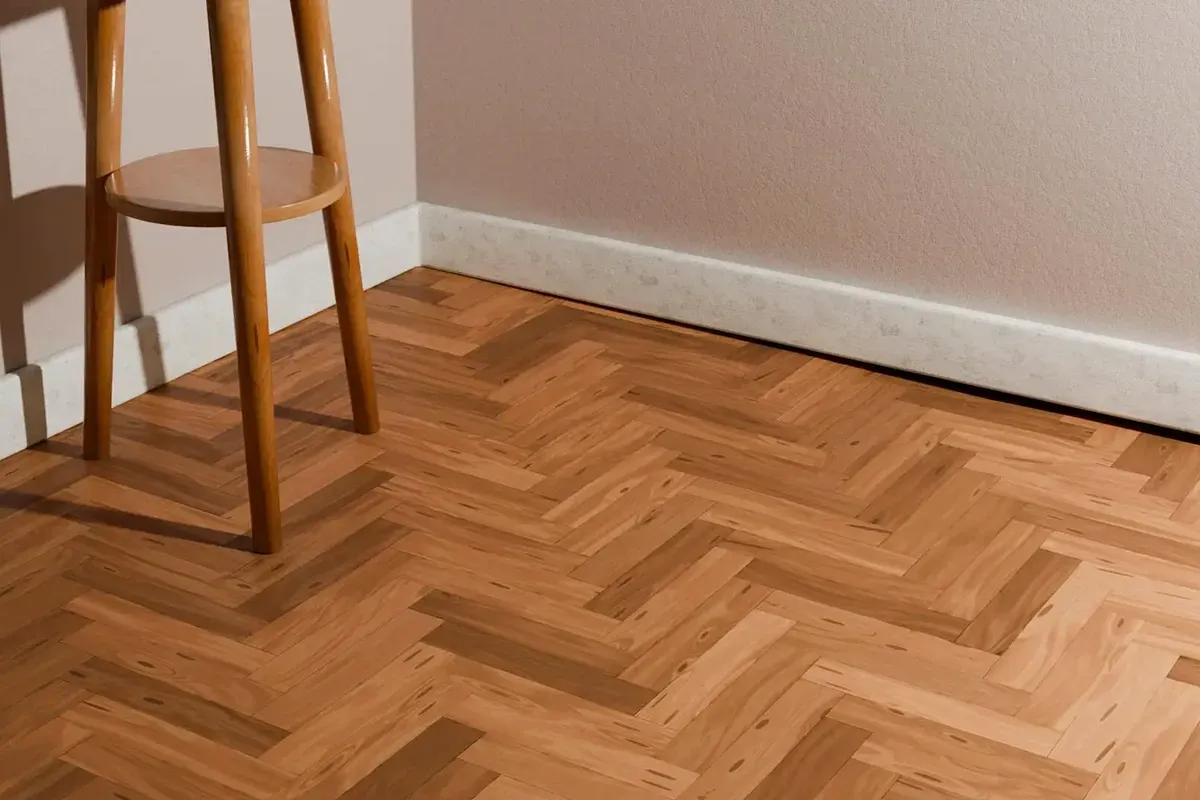
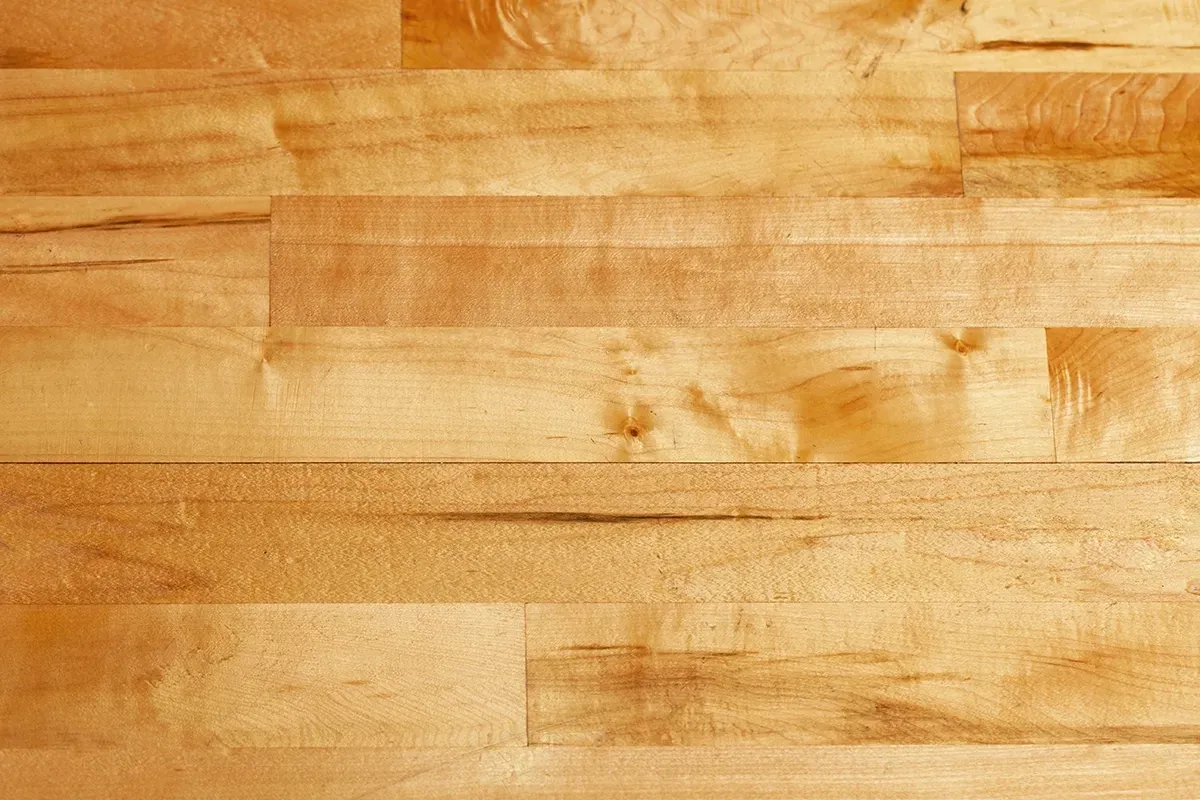
Visually, birch has a fine, closed grain similar to maple but typically displays more natural color variation. You’ll often see subtle swirls, mineral streaks, and occasional darker figuring that add quiet character without overwhelming the room.
Birch tends to fall in the light to medium tone range, though it stains beautifully and can be customized to achieve a wide range of looks—from pale Scandinavian-inspired floors to rich, mid-tone warmth.
Pros of Birch Flooring
1. Warm, Natural Appearance
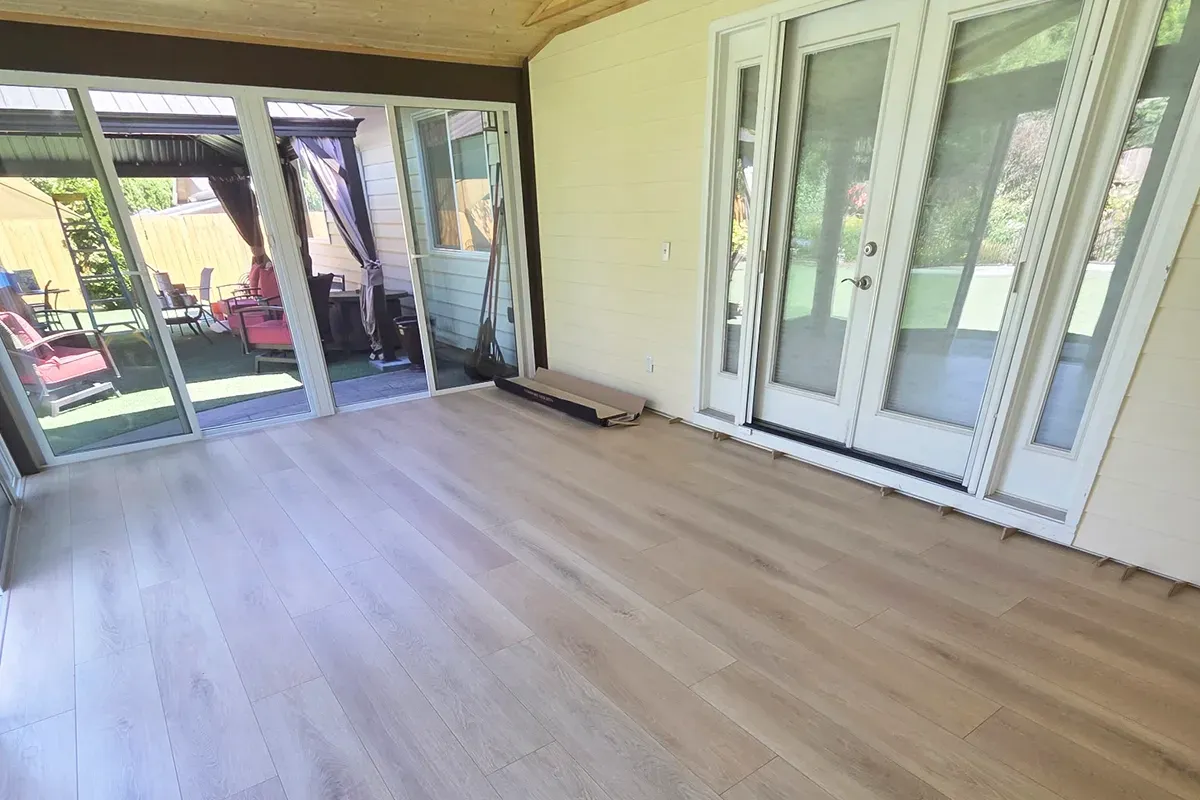
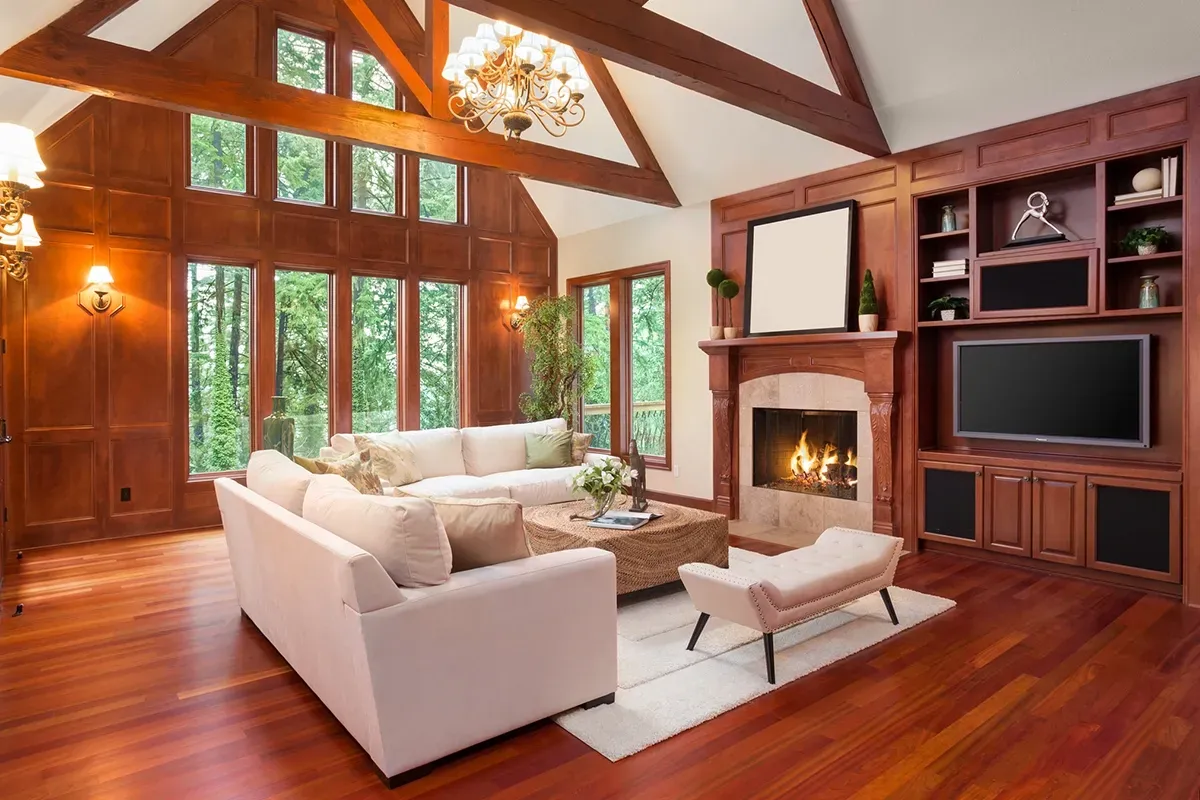
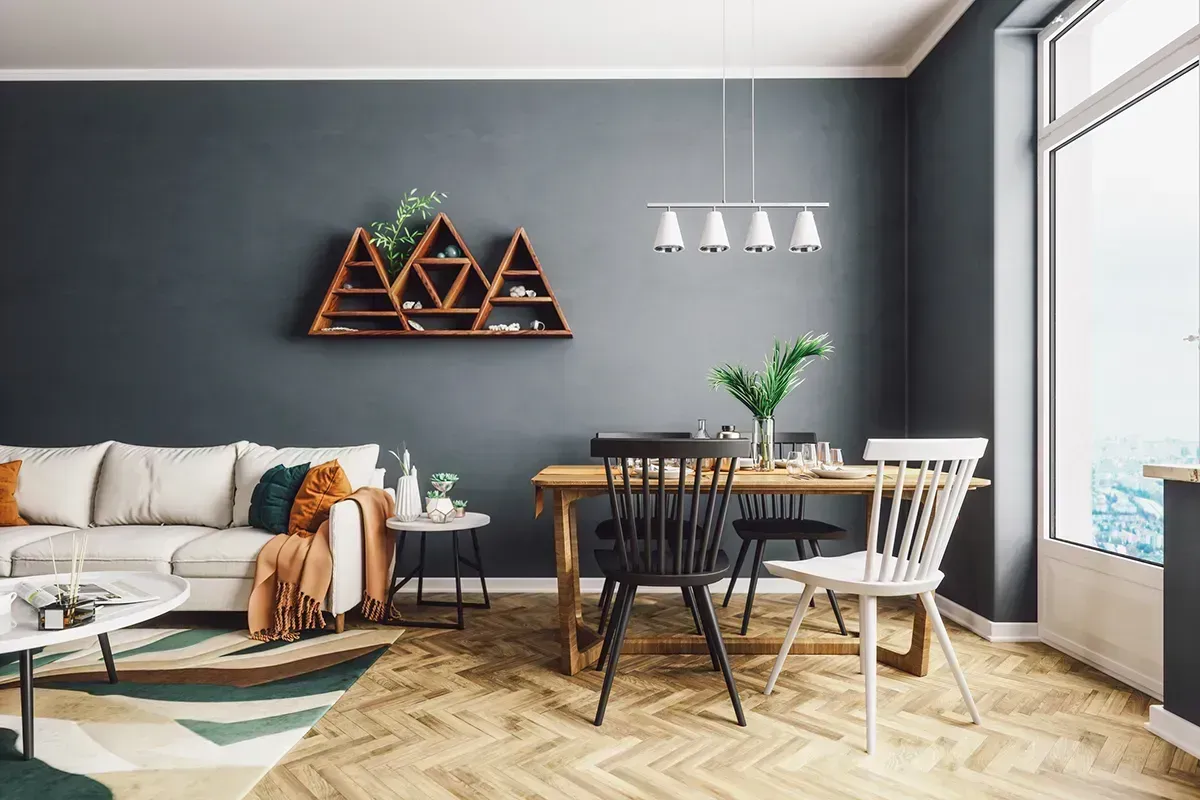
Birch has a soft, welcoming aesthetic. Its natural color ranges from creamy white to light reddish-brown, often within the same plank. That gentle variation can create movement and visual interest without feeling busy. If you’re looking for a floor that feels organic but not rustic, birch strikes a nice balance. It works especially well in:
- Transitional homes
- Casual contemporary spaces
- Farmhouse-inspired interiors
- Light, airy rooms with natural light
Select grade birch doesn’t overpower cabinetry or furnishings, making it a versatile backdrop for many design styles.
2. Fine Hardness for Residential Use
Birch offers average durability for everyday living. On the Janka hardness scale—the industry standard used to measure how resistant a wood species is to dents and everyday wear—yellow birch ranks around 1,260. For comparison, red oak (one of the most common hardwood floors in American homes) comes in at about 1,290. That places birch just slightly below red oak in hardness, but still comfortably within the durable range for most households.
In practical terms, birch performs well in typical residential settings such as:
- Living rooms
- Bedrooms
- Hallways
- Home offices
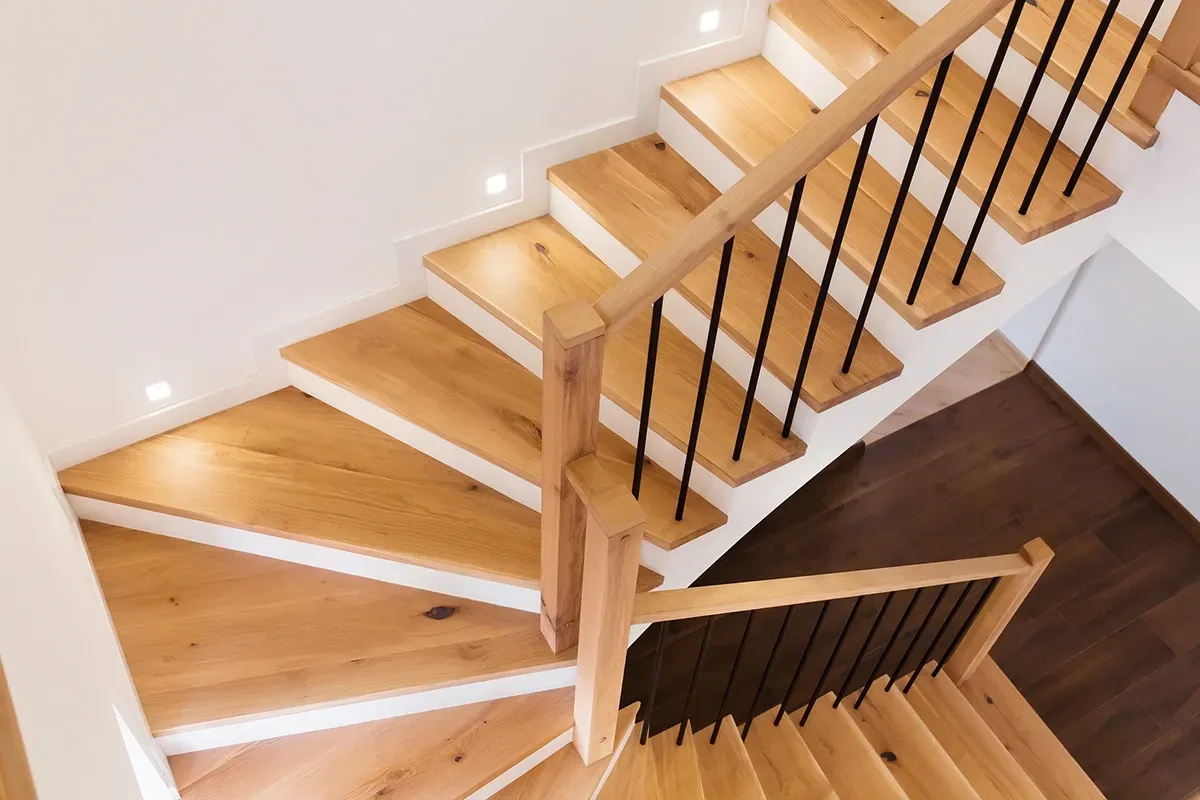
With a quality finish, it stands up well to daily foot traffic. While it’s not the hardest hardwood available, it strikes a thoughtful balance between durability, warmth, and versatility—making it a dependable option for many homes.
3. Smooth, Fine Grain
Birch has a tight, even grain pattern, which gives it a smooth, clean appearance once finished. For homeowners who like the sleek look of maple but want slightly more warmth and visual interest, birch can be an excellent alternative. Because of its fine grain, birch takes modern matte finishes beautifully. A low-sheen finish can highlight its natural character without making the floor feel glossy or overly formal.
4. Takes Stain Well (With the Right Prep)
One of birch’s biggest advantages is its versatility in color. It can be factory stained light, medium, or dark, allowing you to tailor the look to your overall design vision. That said, proper preparation is key. Birch can absorb stain unevenly if not handled correctly (more on that in the cons section), but with professional sanding and conditioning, it can achieve rich, even results.
This flexibility makes birch appealing for homeowners who want:
- A custom stain color
- A specific warmth level
- A cohesive match with cabinetry or trim
5. Generally More Affordable Than Premium Exotics
Compared to exotic hardwoods like Brazilian cherry or tigerwood, birch is typically more budget-friendly. It offers natural beauty and average durability without the premium price tag associated with imported species. For homeowners balancing cost and quality, birch can be a smart middle-ground option.
Cons of Birch Flooring
While birch has many strengths, it’s important to understand its limitations before committing.
1. Can Be Prone to Dents
Although birch is reasonably durable, it is not as hard as hickory or white oak. In high-impact areas or homes with large pets, you may notice dents over time.
This doesn’t mean birch isn’t durable—it simply means it may show wear slightly sooner in very active households. Choosing the right finish (such as a high-quality polyurethane or aluminum oxide finish) can help protect the surface.
2. Potential for Uneven Staining
Birch can be somewhat temperamental when it comes to staining. Because of its density and grain structure, it may absorb stain unevenly, resulting in blotchiness if not properly prepped. This is especially true with darker stains, which is why most birch is stained in a factory and the prefinished.
3. Natural Color Variation
While many homeowners love birch’s subtle variation, others may prefer a more uniform look.
Birch can feature:
- Light and darker areas within the same plank
- Occasional mineral streaks
- Slight tonal shifts across boards
If you want a very consistent, uniform floor, select-grade maple or select-grade oak may be better suited. Birch is best appreciated for its organic variation.
4. Not Ideal for Extremely High-Traffic Commercial Spaces
For commercial settings or very high-traffic areas, harder species may be more appropriate. Birch performs well in residential environments but may not hold up as effectively as hickory or certain engineered options in demanding commercial applications.
Birch Solid vs. Engineered: What to Know
Birch flooring is available in both solid and engineered formats.
Solid Birch
- Can be sanded and refinished multiple times
- Ideal for above-grade installations
- Offers long-term refinishing flexibility
Engineered Birch
- More dimensionally stable
- Better suited for basements or fluctuating humidity
- Often available in wider plank options
- Low cost
If you’re installing over concrete or in a lower-level space, engineered birch may be the more practical option. For main-level living areas where long-term refinishing potential is important, solid birch can be a strong choice.
Expert Tips for Choosing Birch Floors
After working with homeowners exploring different hardwood species, a few best practices consistently stand out.
1. Always View Large Samples
Small stain swatches can be misleading, especially with a species like birch that has natural variation. Viewing a larger sample—or multiple boards—gives you a more accurate sense of color range and character. Lighting also plays a major role. Birch can look dramatically different in natural sunlight versus artificial lighting.
2. Consider Your Lifestyle First
If you have:
- Large dogs
- Active kids
- Heavy furniture movement
You may want to prioritize a durable finish and possibly a slightly lighter stain. Lighter tones tend to hide minor dents and wear better than very dark stains. Overall, birch isn’t well suited for the lifestyle points mentioned above.

3. Choose the Right Finish Sheen
Matte and satin finishes tend to complement birch beautifully. They highlight the natural grain while minimizing glare and surface imperfections.
Higher gloss finishes can emphasize dents, scratches, and natural variation, so they’re typically less popular for this species.
4. Control Indoor Humidity
Like all hardwoods, birch expands and contracts with changes in humidity. Maintaining a stable indoor environment—ideally between 35% and 55% relative humidity—helps prevent excessive movement, gapping, or cupping. This is especially important in climates with seasonal swings. Attention to these details can make a significant difference in how your floor looks and performs over time.
Is Birch Flooring Right for You?
Birch flooring offers warmth, subtle character, and versatile styling at a reasonable price point. It’s a strong choice for homeowners who appreciate natural variation and want a hardwood floor that feels inviting without being overly bold. It may not be the best fit for extremely high-traffic environments or for those seeking ultra-uniform coloration. But in the right setting, birch delivers a balanced combination of beauty and practicality.
If you’re comparing species and feeling unsure, seeing samples in person and discussing how each option performs in real-life homes can make the decision much clearer. Hardwood flooring is a long-term investment, and choosing a species that fits both your aesthetic and your lifestyle is key.
Birch may not always be the most talked-about hardwood—but for many homes, it’s a thoughtful, understated choice that stands the test of time.
About the Author:
Levi Winkler is the owner of Rejuvenation Floor & Design, where he has been helping homeowners and businesses transform their spaces with high-quality flooring for over 16 years. Based in Portland, Oregon, Levi specializes in hardwood flooring, as well as luxury vinyl, laminate, and more. With decades of hands-on flooring installation and restoration experience, Levi is known for his attention to detail, product knowledge, and commitment to long-lasting results. He works closely with clients to ensure every flooring project is tailored to their style, needs, and budget.
Recent Articles