Maple vs. Oak Flooring
July 6, 2026, by Levi Winkler, Flooring Expert & Owner of Rejuvenation Floor & Design
When shopping for hardwood flooring, two species consistently rise to the top of the list: maple and oak flooring. Both are durable, beautiful, and available in a wide range of colors and styles. However, they have distinct characteristics that can make one a better fit for your home than the other. If you're considering new hardwood floors, understanding the differences between maple and oak can help you choose a floor that matches your style, budget, and lifestyle.
At Rejuvenation Floor & Design, a leading flooring store in Portland, Oregon, we've helped homeowners select and install oak, maple, and other hardwood floors for many years. That hands-on experience across countless species, finishes, and home styles has given us a clear sense of where each wood shines—and which one is likely to be the better fit for your space. If you're considering new hardwood floors, understanding the differences between maple and oak can help you choose a floor that matches your style, budget, and lifestyle.
Maple vs Oak: Janka Hardness Rating
One of the first specifications homeowners compare is hardness. The Janka hardness test measures how resistant a wood species is to dents and wear. A higher number generally indicates a harder wood. Maple has a Janka rating of approximately 1,450, making it slightly harder than both red oak and white oak. This additional hardness can provide better resistance to dents from furniture, pet nails, and everyday foot traffic. However, the difference isn't dramatic. Both maple and oak are considered durable hardwood flooring options suitable for busy households.
Appearance: The Biggest Difference
For many homeowners, appearance is the deciding factor.
Maple Flooring
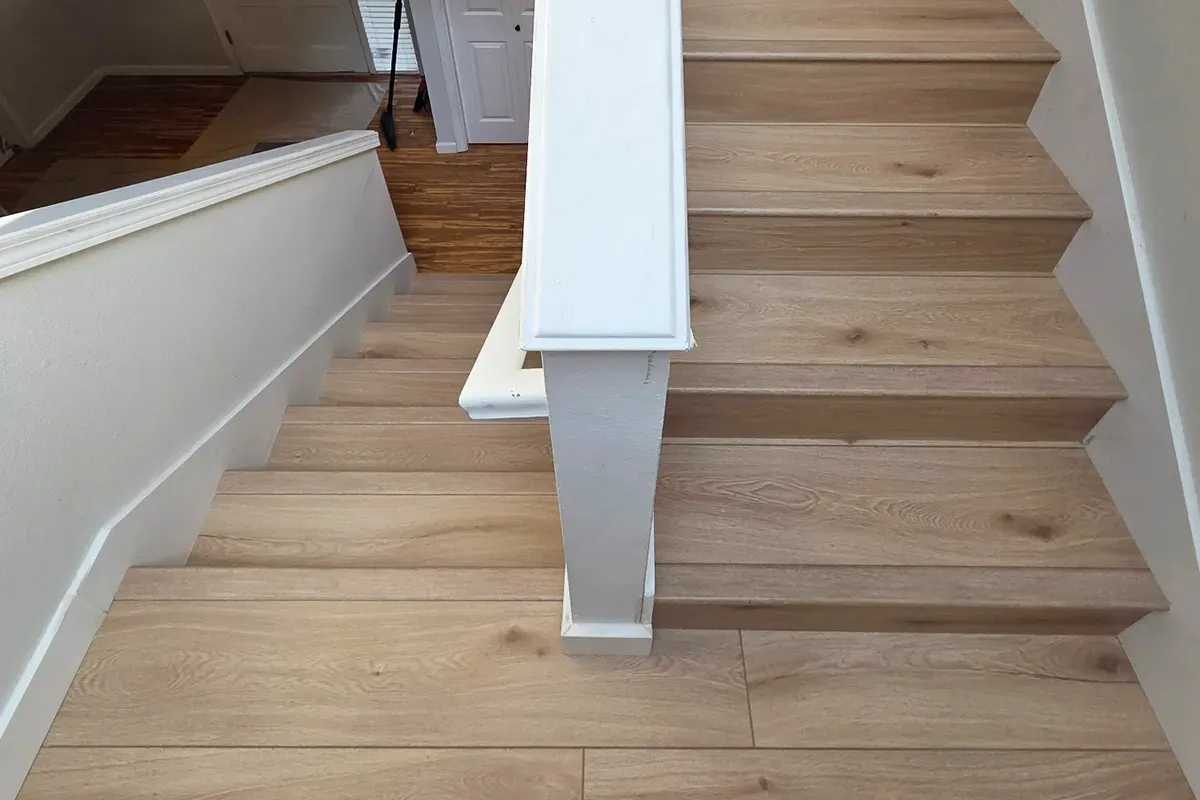
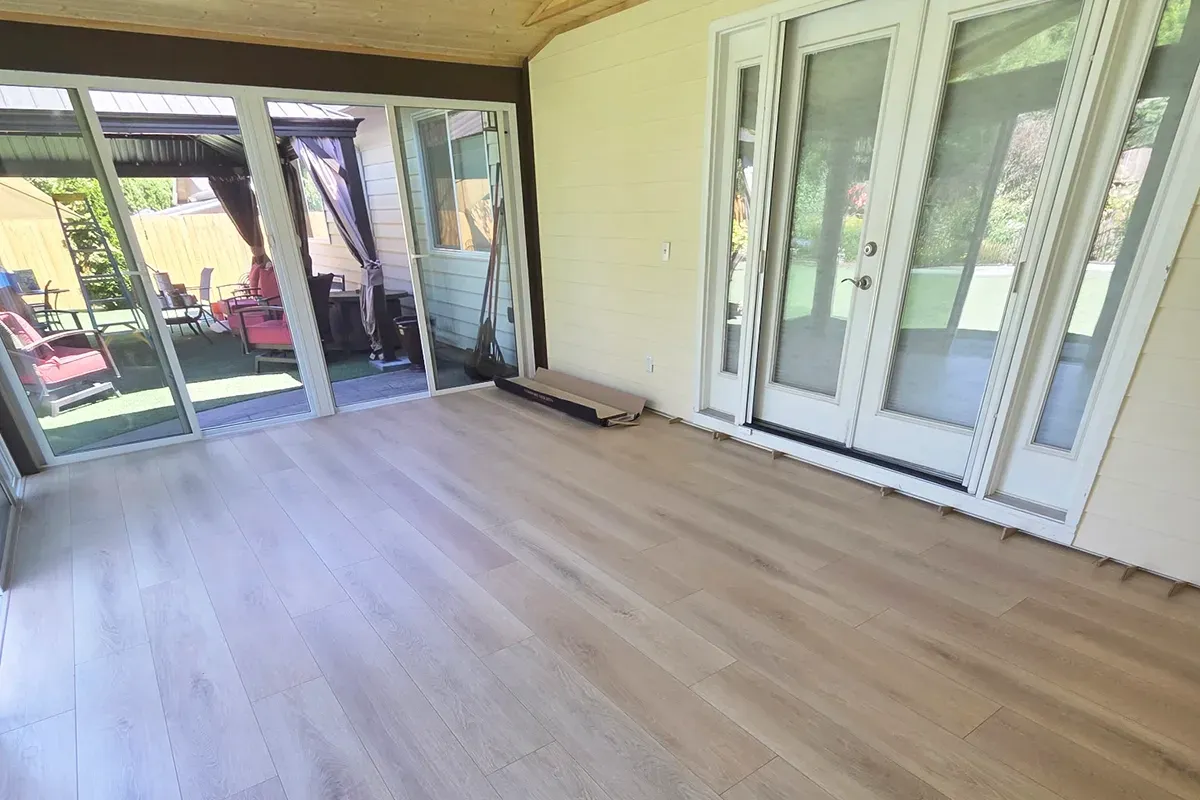
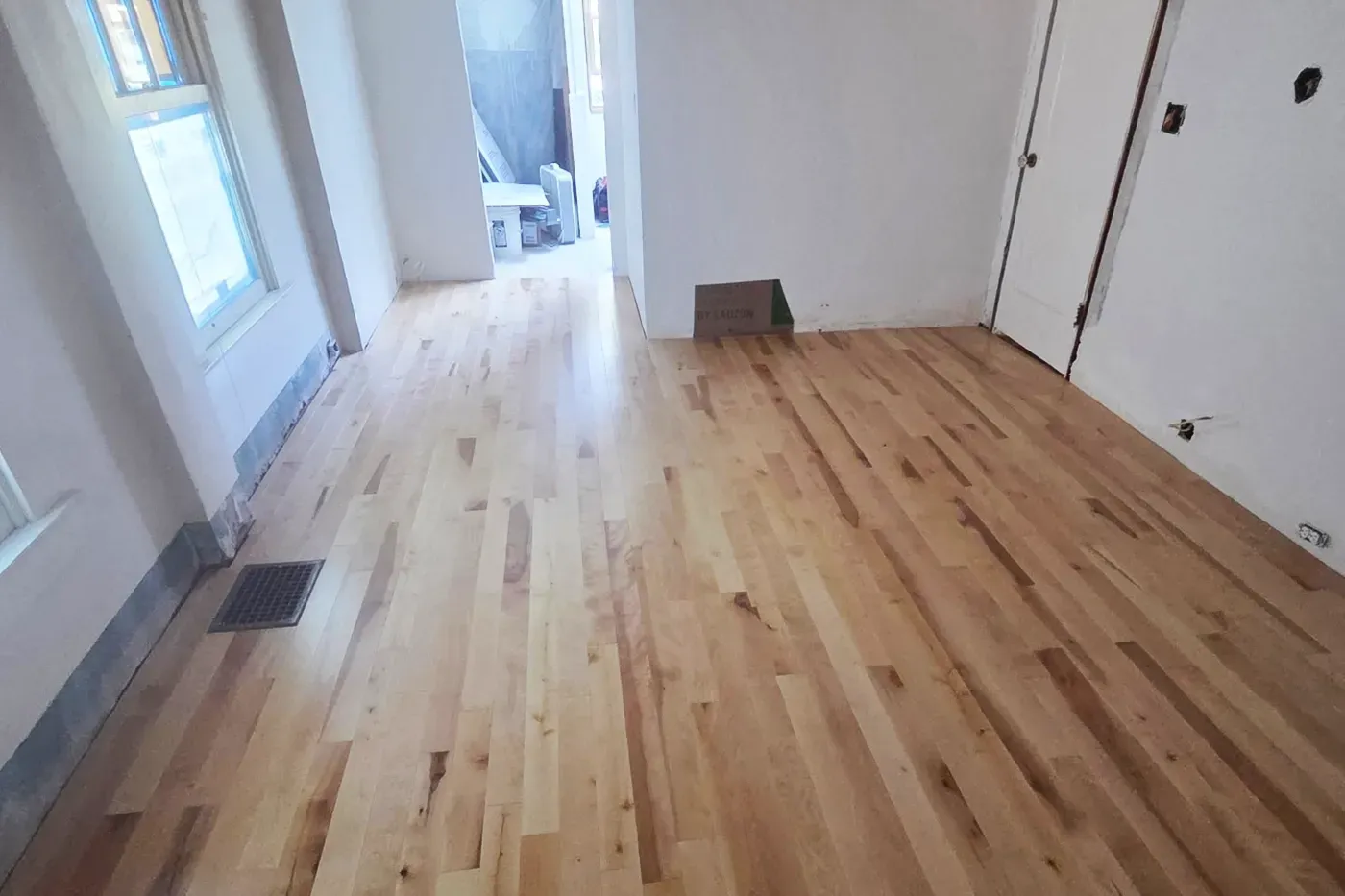
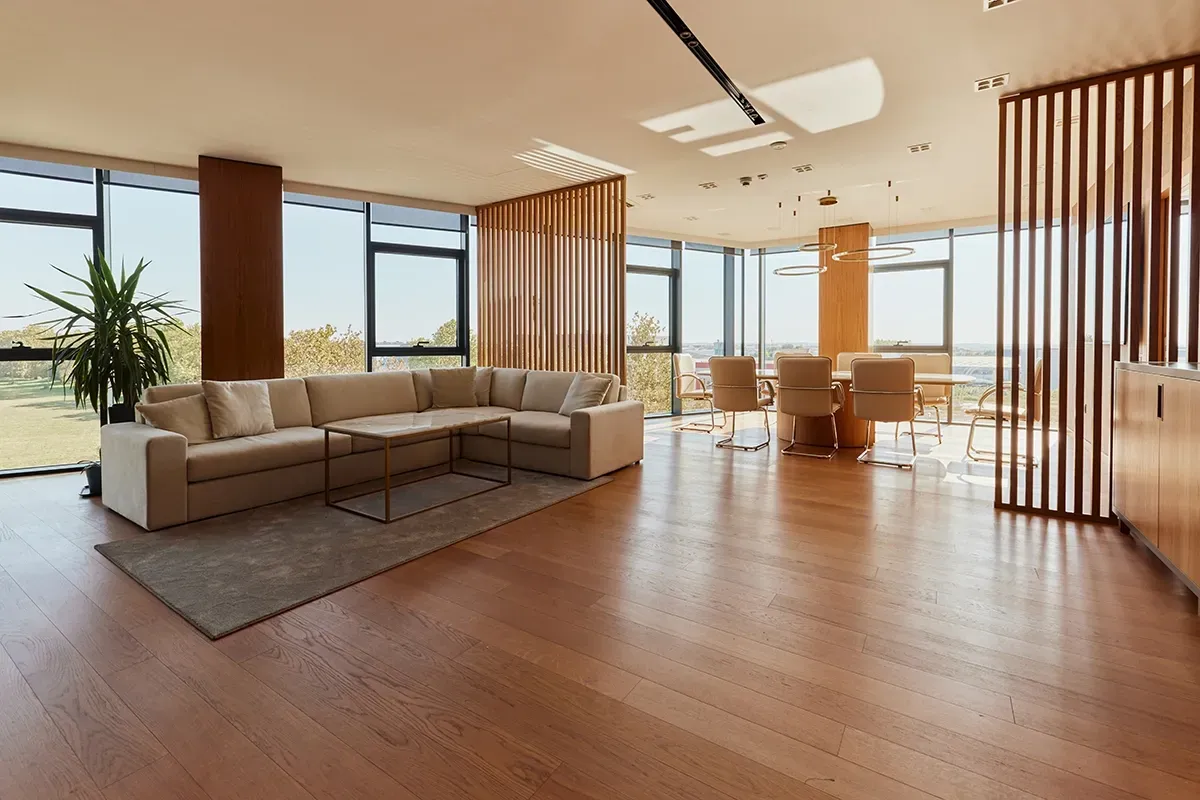
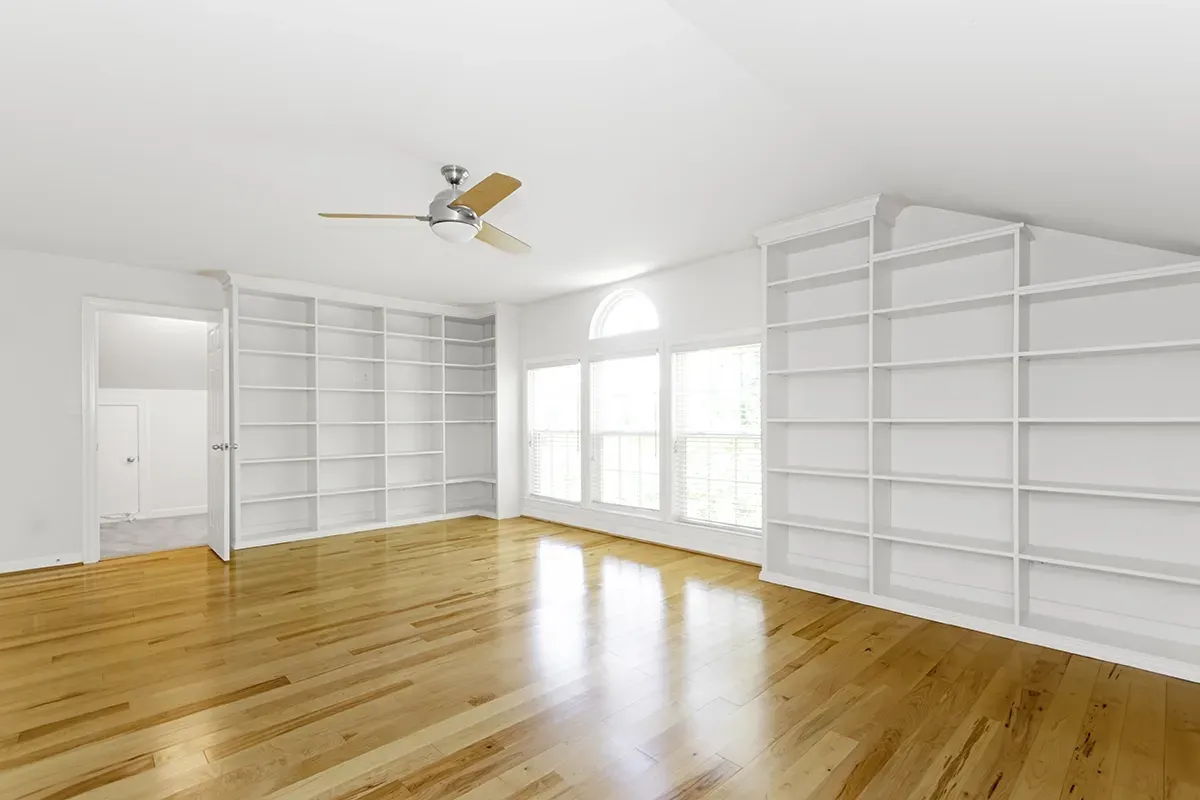
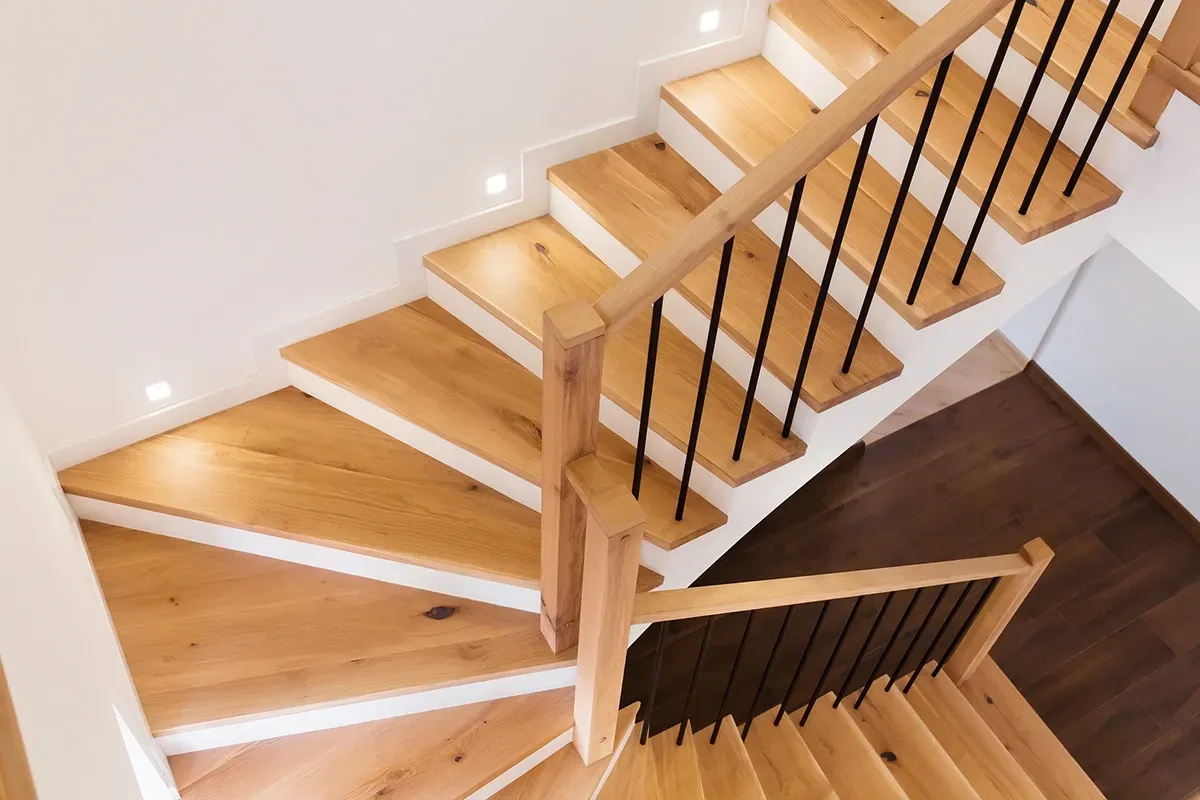
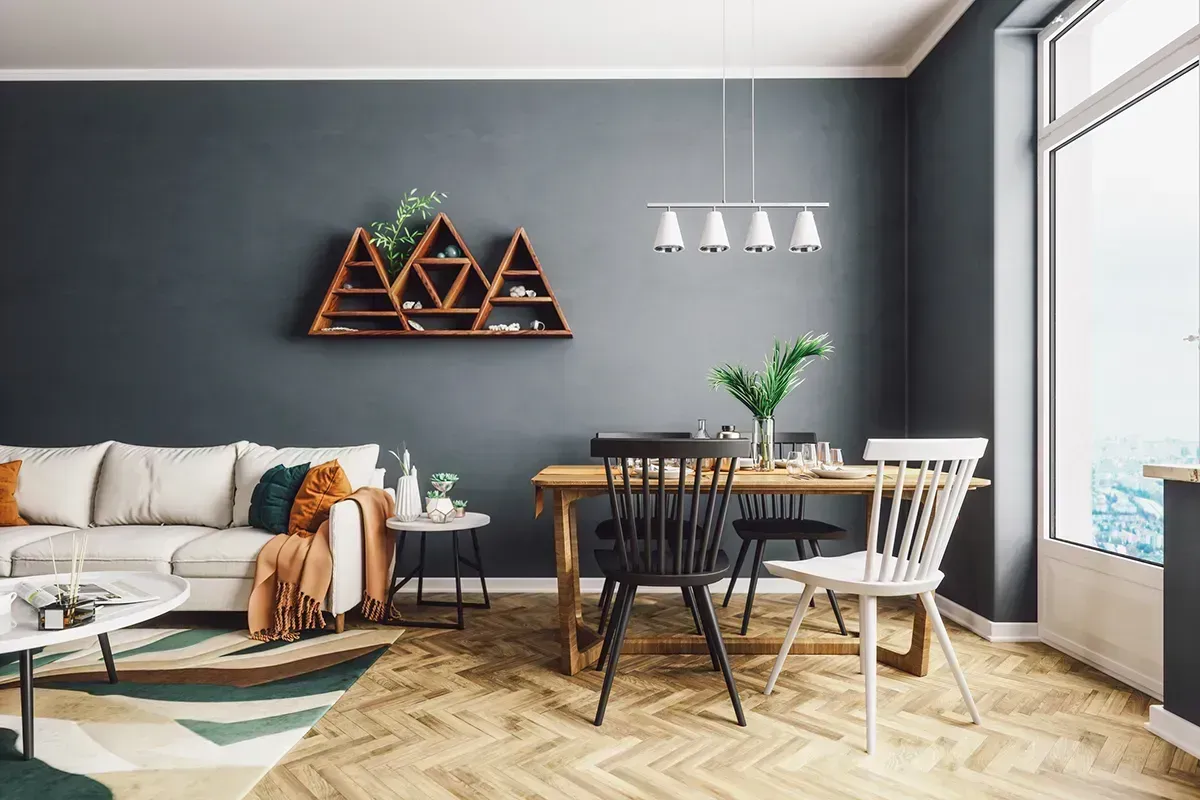
Maple features a smooth, somewhat consistent appearance with a fine grain pattern. The grain tends to be subtle and less noticeable than oak.
This cleaner look makes maple a popular choice for:
- Contemporary homes
- Modern interiors
- Scandinavian-inspired designs
- Minimalist spaces
Maple's natural color is typically a light cream or pale tan, helping rooms feel bright and open.
Oak Flooring
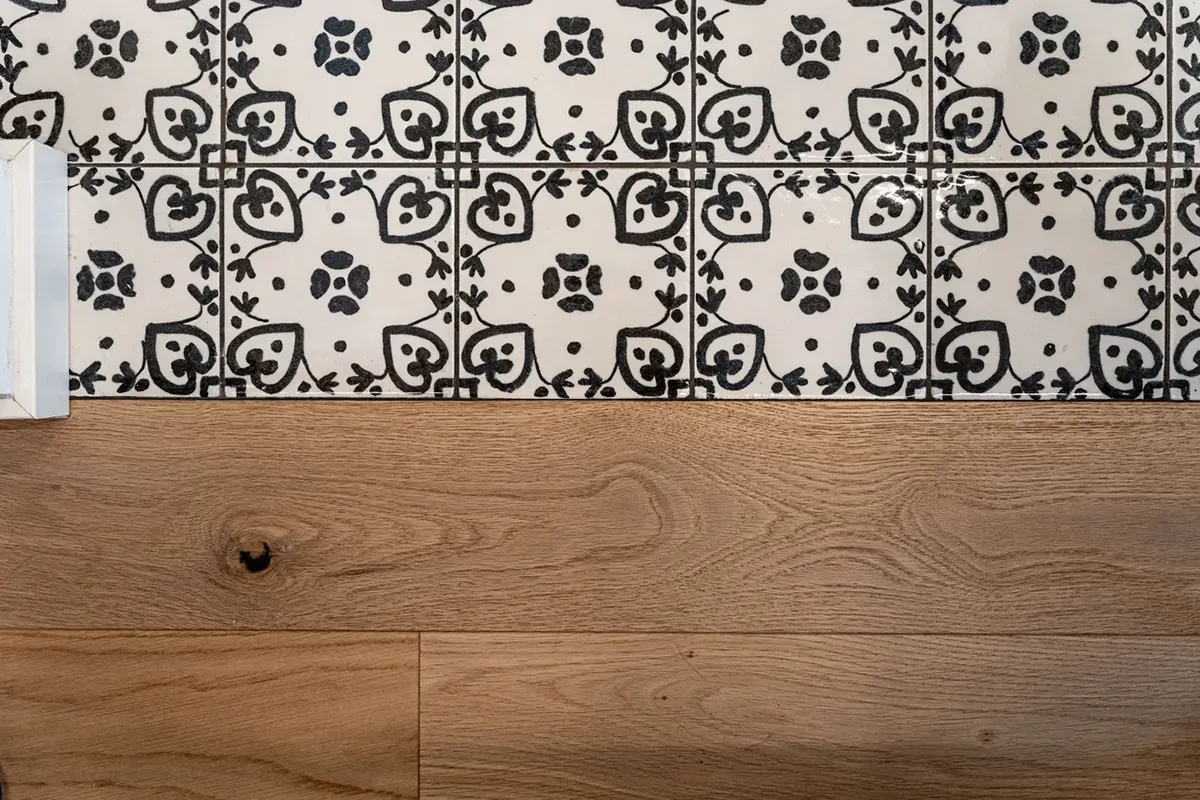
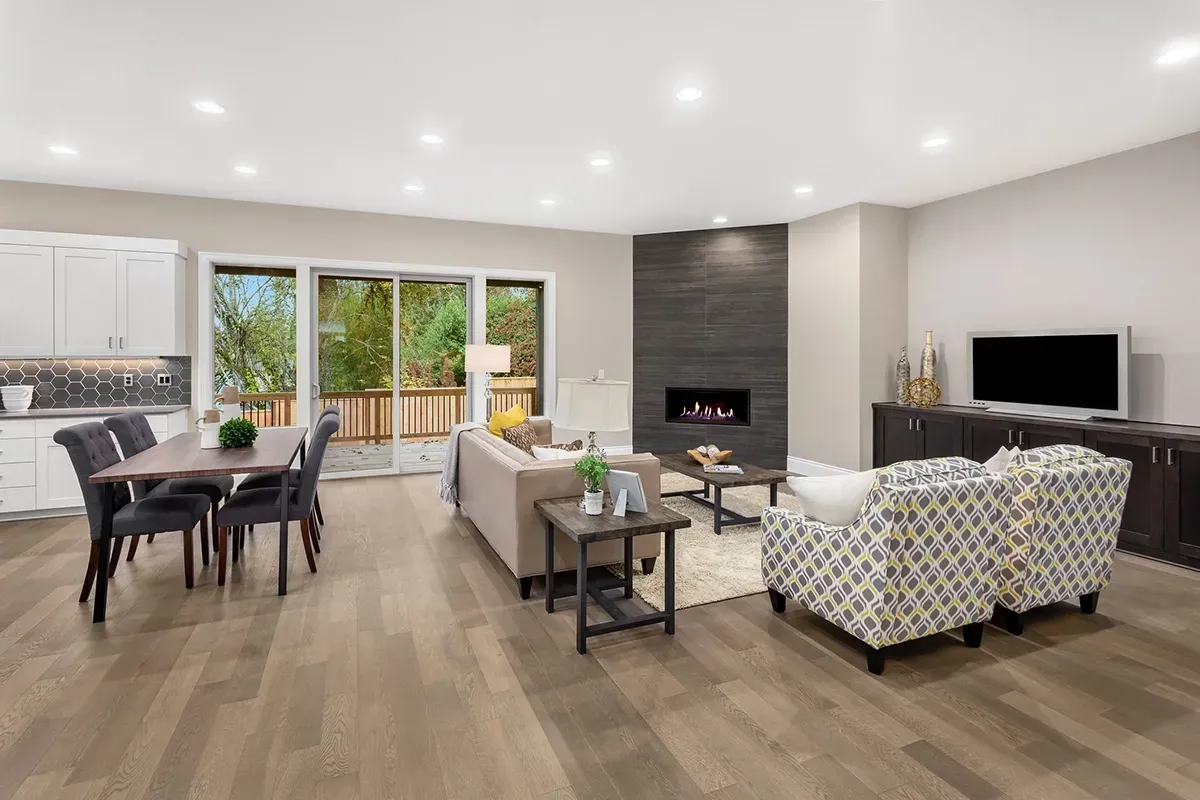
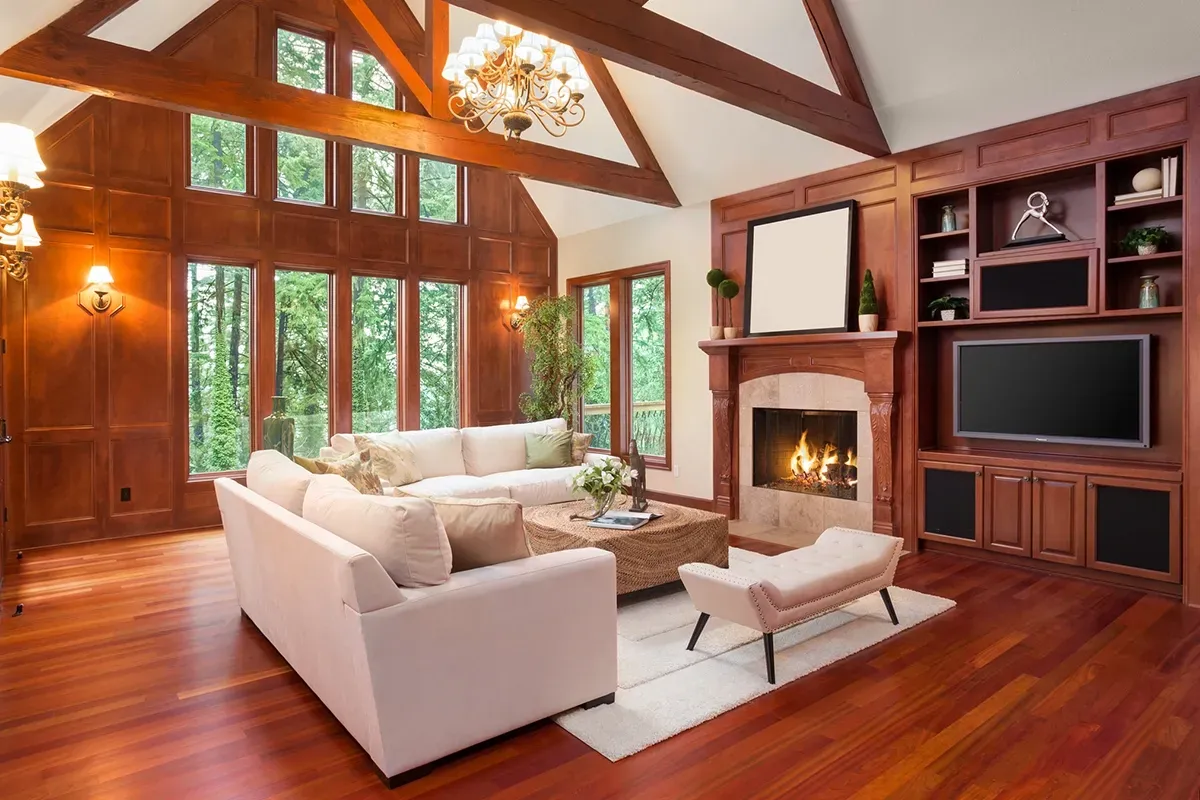
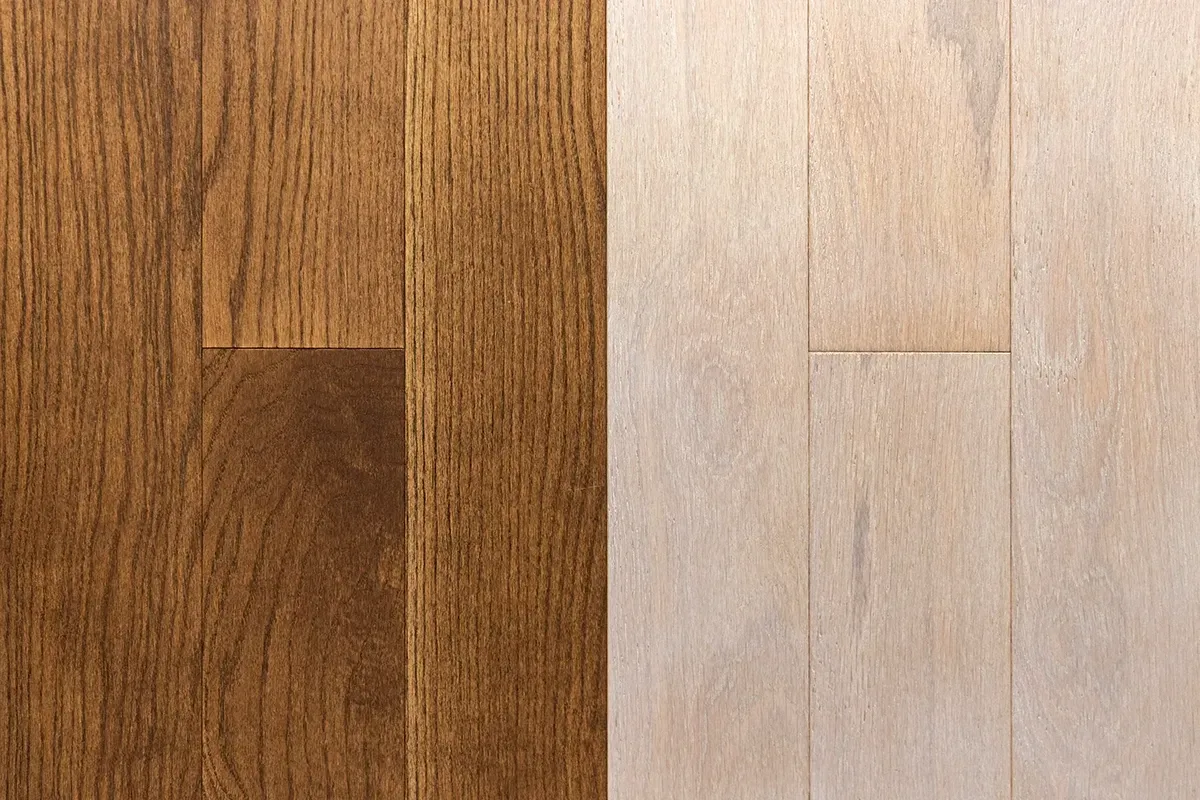
Oak is known for its distinctive grain pattern. The natural grain lines are more visible, creating additional texture and character throughout the floor.
Oak works particularly well in:
- Traditional homes
- Farmhouse designs
- Craftsman-style homes
- Transitional interiors
Because oak's grain is more pronounced, it often hides minor scratches and wear better than smoother-grained species.
Red Oak vs. White Oak
When people refer to "oak flooring," they're usually talking about either red oak or white oak.
Red Oak
Red oak remains one of the most popular hardwood flooring species in North America.
Characteristics include:
- Warm undertones
- Slight reddish or pink hues
- Traditional appearance
- Excellent stain acceptance
White Oak
White oak has become increasingly popular in modern homes.
Characteristics include:
- Cooler undertones
- More neutral color palette
- Slightly higher hardness
- Greater natural moisture resistance
Many of today's light, natural hardwood floors are made from white oak because it works exceptionally well with contemporary finishes.
Staining and Color Options
If you plan to stain your floors, oak generally has an advantage.
- Oak Accepts Stain More Easily: Oak's open grain structure allows stain to penetrate more evenly. This makes it easier to achieve a wide range of colors, from light natural finishes to dark espresso tones. Because of this versatility, oak is often preferred when homeowners have a specific color in mind.
- Maple Can Be More Challenging: Maple's dense, closed grain can make stain absorption less consistent. Dark stains may sometimes appear blotchy if not applied properly. For this reason, many maple floors are finished in lighter, natural colors that highlight the wood's clean appearance. That doesn't mean maple can't be stained—it simply requires more care and expertise to achieve consistent results.
Durability and Wear
Both species are highly durable, but they wear differently over time.
Maple
Because maple has a smoother grain pattern:
- Dents are slightly less likely
- Surface appears cleaner and more uniform
- Scratches may be easier to notice in certain lighting
Oak
Oak's pronounced grain can help camouflage:
- Minor scratches
- Everyday wear
- Small dents
- Pet-related marks
For busy households with children and pets, many homeowners appreciate oak's ability to hide imperfections over time.
Moisture Resistance
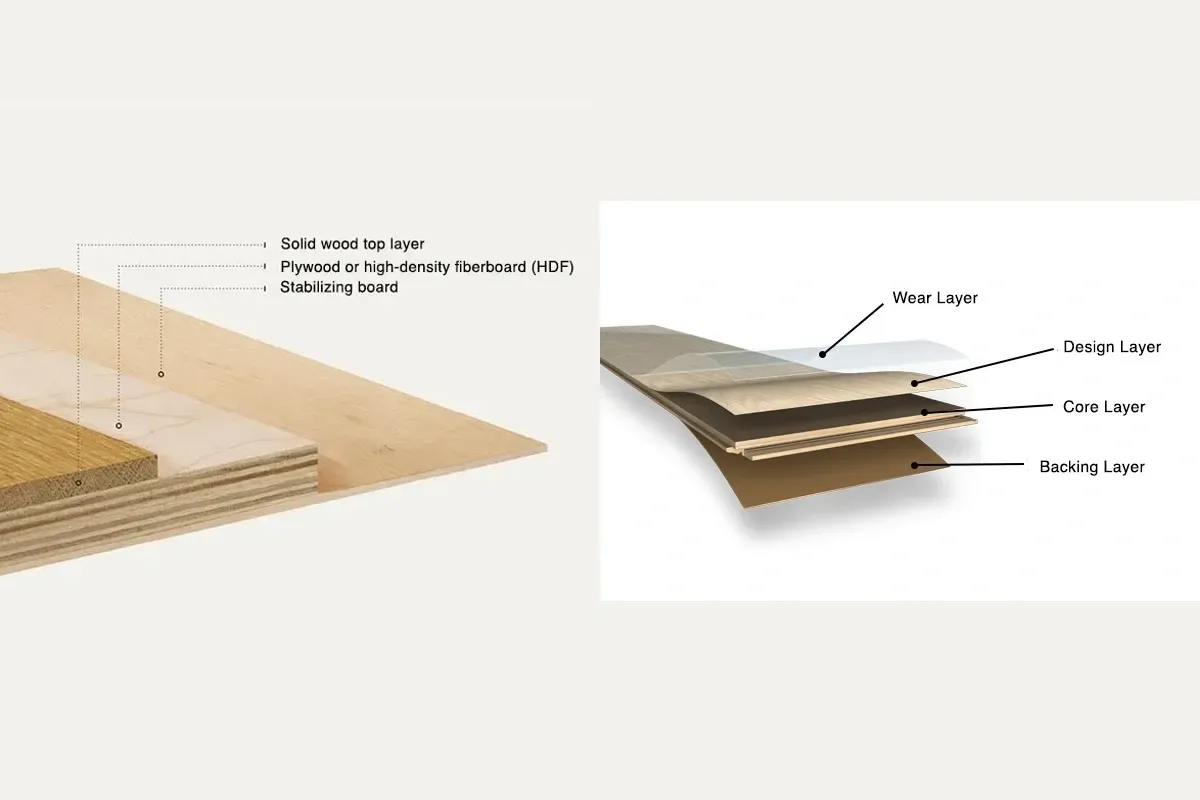
Neither maple nor oak is waterproof, but there are some differences in how they're affected by humidity. White oak contains natural compounds that make it somewhat more resistant to moisture than red oak or maple. This doesn't mean white oak should be installed in wet environments, but it can offer a slight advantage in areas where humidity fluctuates throughout the year. Engineered versions of both maple and oak can provide improved dimensional stability compared to solid hardwood.
Cost Comparison
Pricing varies based on:
- Grade
- Width
- Construction type
- Finish
- Brand
In general:
- Red oak is often one of the most affordable hardwood flooring options.
- White oak typically costs more than red oak.
- Maple is usually comparable to white oak and can sometimes be slightly more expensive.
Because oak is so widely available, homeowners often find more product options across various price points.
Which Flooring Style Fits Your Home?
Choose Maple If:
- You prefer a clean, modern aesthetic.
- You want subtle grain patterns.
- You like lighter natural wood tones.
- You're aiming for a contemporary or Scandinavian-inspired design.
Choose Oak If:
- You want more natural character and texture.
- You plan to stain the floor a specific color.
- You prefer a traditional or transitional look.
- You want a floor that helps conceal everyday wear.
The truth is that neither species is universally better. Maple offers a sleek, contemporary appearance with slightly greater hardness, making it a favorite for homeowners seeking a clean and modern look. Oak provides exceptional versatility, timeless appeal, and a distinctive grain pattern that has made it one of the most popular flooring choices for generations. If you're drawn to smooth, understated elegance, maple may be the better choice. If you prefer visible character, design flexibility, and a floor that ages gracefully, oak is often the winner.
See Maple and Oak Flooring in Person
Photos can only tell part of the story. The best way to compare maple and oak flooring is to view full-size samples side by side. At Rejuvenation Floor & Design, we help local homeowners compare hardwood species, finishes, plank sizes, and construction types to find the right floor for their space and budget.
Visit our
flooring store in Portland, Oregon to explore hardwood flooring options, or
contact us for a free estimate on your next flooring project.
About the Author:
Levi Winkler is the owner of Rejuvenation Floor & Design, where he has been helping homeowners and businesses transform their spaces with high-quality flooring for over 16 years. Based in Portland, Oregon, Levi specializes in hardwood flooring, as well as luxury vinyl, laminate, and more. With decades of hands-on flooring installation and restoration experience, Levi is known for his attention to detail, product knowledge, and commitment to long-lasting results. He works closely with clients to ensure every flooring project is tailored to their style, needs, and budget.
Recent Articles