Luxury Vinyl vs Engineered Hardwood: Which is Better?
July 31, 2026, by Levi Winkler, Flooring Expert & Owner of Rejuvenation Floor & Design
Choosing new flooring is one of the biggest decisions you'll make during a home renovation. Two of the most popular options today are luxury vinyl plank (LVP) and engineered hardwood. Both deliver a wood look, but they are built very differently, and that construction affects durability, moisture performance, cost, and long-term value.
If you're trying to decide between LVP and engineered hardwood, the right choice depends on your lifestyle, budget, and where the flooring will be installed. Here's a closer look at how these two flooring types compare.
At Rejuvenation Floor & Design, we've supplied and installed both products in Portland, Oregon homes for many years. That matters here more than it would in a drier climate: Portland's wet winters and long damp shoulder seasons put steady pressure on flooring, and the moisture question below is a practical one rather than a theoretical one. We've seen how each of these floors performs in local homes, basements, and remodels over time.
What is Luxury Vinyl Plank (LVP)?
Luxury vinyl plank, commonly called LVP, is a resilient flooring product designed to replicate the appearance of real wood. Unlike traditional sheet vinyl, LVP comes in individual planks with realistic wood grain textures, beveled edges, and a wide variety of colors and styles.
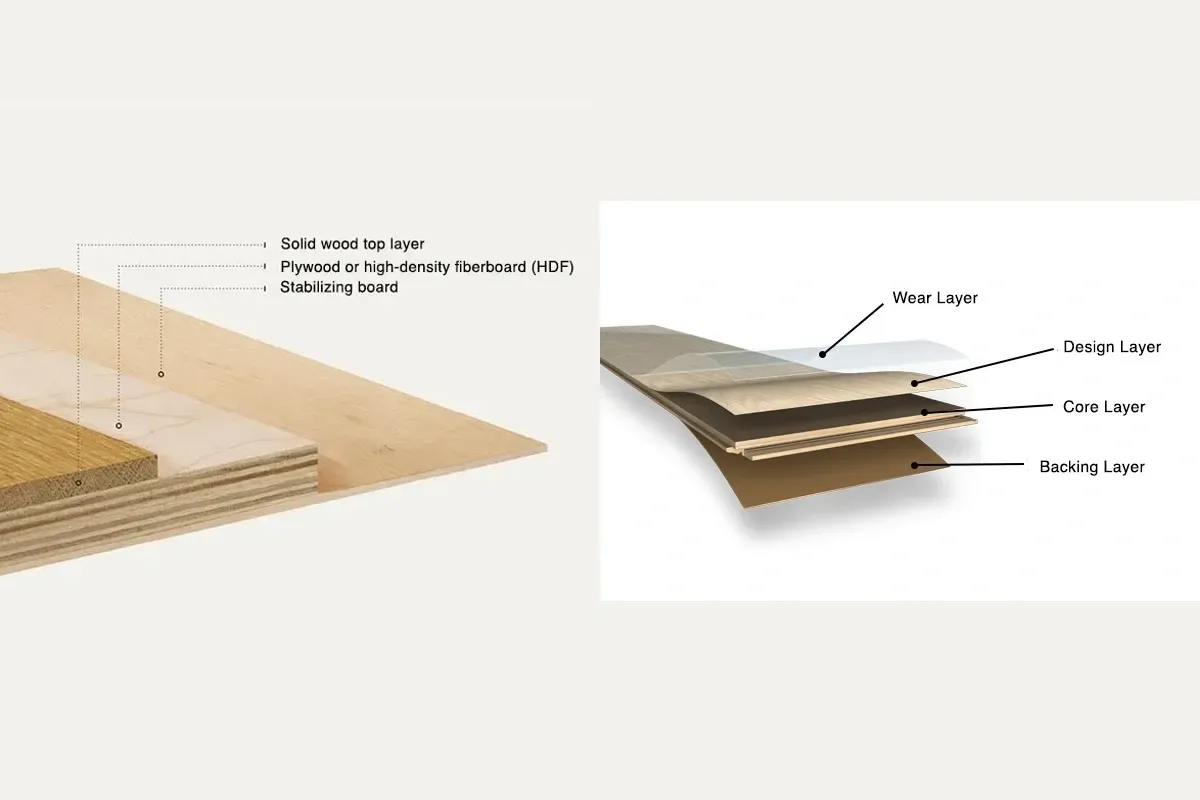
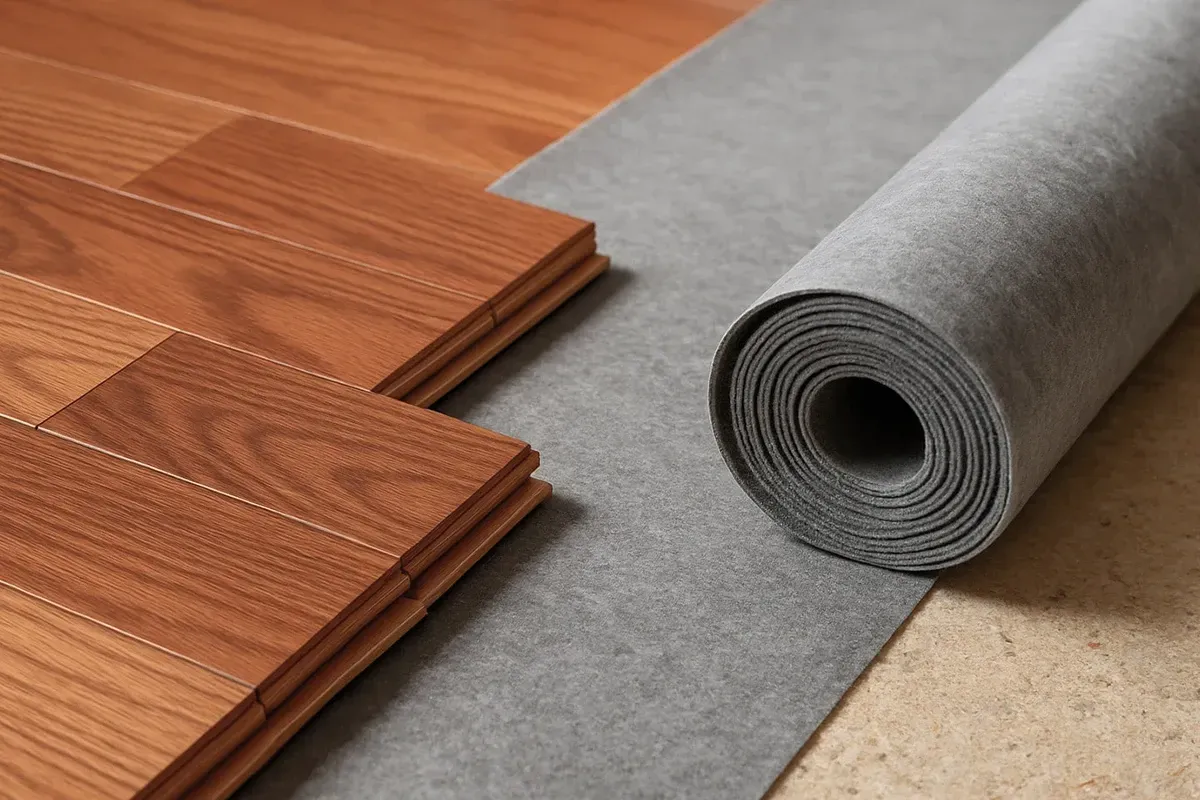
Modern LVP typically features multiple layers, including:
- A durable wear layer that protects against scratches and stains
- A printed design layer that mimics real wood
- A waterproof core, often made from SPC (Stone Plastic Composite) or WPC (Wood Plastic Composite)
- An attached underlayment on many products for added comfort and sound reduction
Because of these features, LVP has become one of the fastest-growing flooring choices for busy households.
What is Engineered Hardwood?
Engineered hardwood is real wood. Each plank is built from a genuine hardwood wear layer, sometimes called the veneer, bonded to a multi-ply plywood or high-density fiberboard core. The core layers are cross-stacked so the grain of each layer runs perpendicular to the one below it. That construction is the whole point: it resists the expansion and contraction that causes solid wood to cup, gap, and warp when humidity swings. The surface you walk on is the same species you'd get with solid hardwood, so an engineered oak floor looks exactly like an oak floor, because it is one.
Two specs that matter more than anything else
- Wear layer thickness. This ranges from roughly 0.6mm on entry-level products to 6mm on premium ones. A wear layer of 2mm or more can typically be sanded and refinished at least once. Thin veneers cannot be refinished at all.
- Core quality. A thicker plywood core with more plies generally means better stability, a more solid feel underfoot, and more installation options.
These two specs drive most of the price difference between engineered products, and they're what separates a floor that lasts 20 years from one that lasts 50.
Durability
Both flooring types are durable, but they wear differently. LVP is highly resistant to scratches, dents, stains, and everyday household traffic. The wear layer is a tough transparent film, which makes it an excellent choice for homes with children, pets, or heavy foot traffic.
Engineered hardwood has the same surface hardness as solid hardwood of the same species, because it is the same wood. Oak and hickory resist dents well. Softer species like walnut show wear more readily. Pet nails, grit, and dragged furniture can scratch the finish, though modern aluminum oxide factory finishes are considerably tougher than older site-applied finishes.
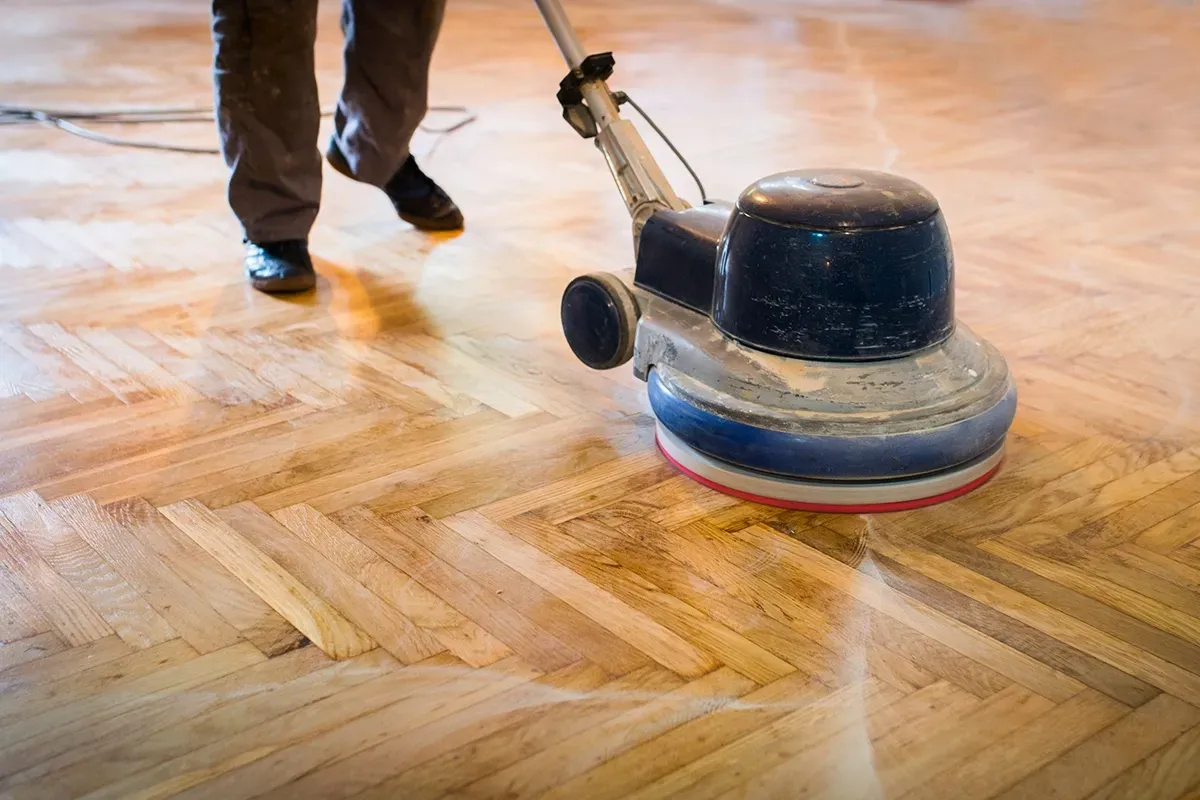
The advantage engineered hardwood offers is repairability. With a wear layer of 2mm or thicker, the floor can be sanded and refinished, restoring the surface rather than replacing it. LVP cannot be refinished. Once the wear layer is compromised, the plank is replaced.
Winner: LVP for everyday scratch resistance, engineered hardwood for repairability, provided the wear layer is thick enough.
Appearance
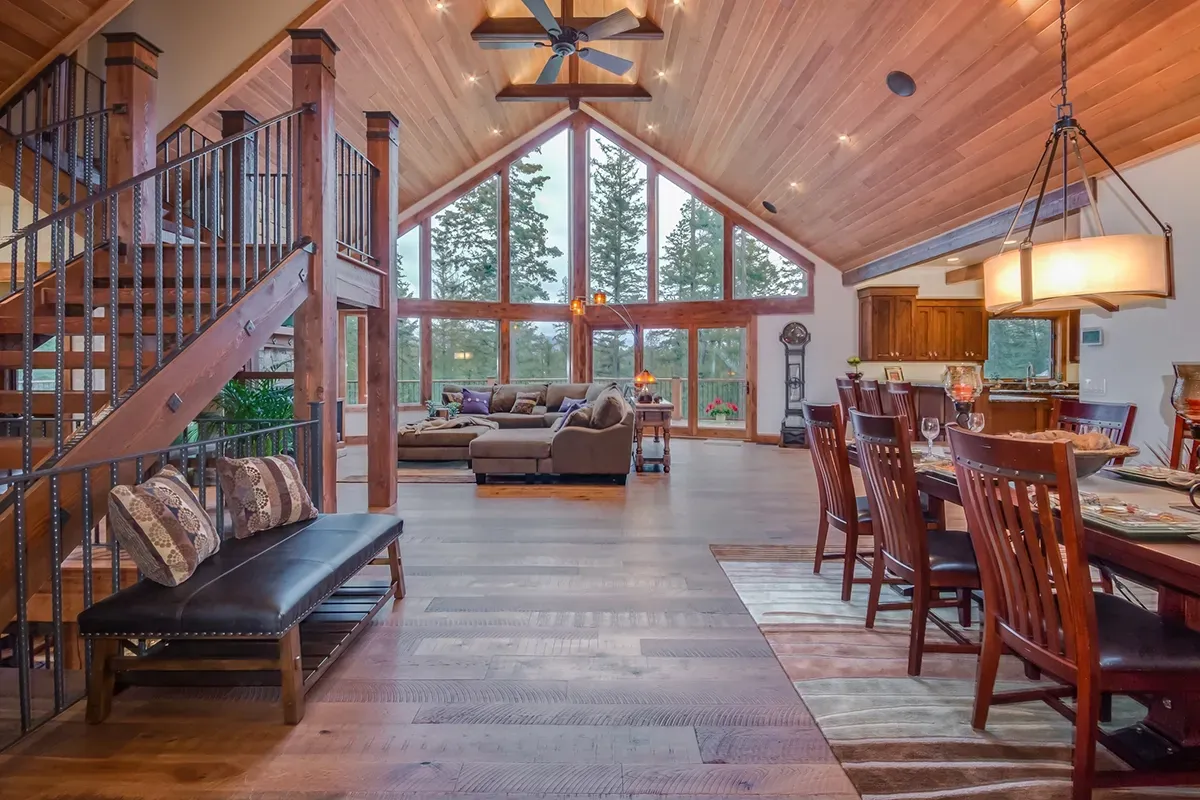
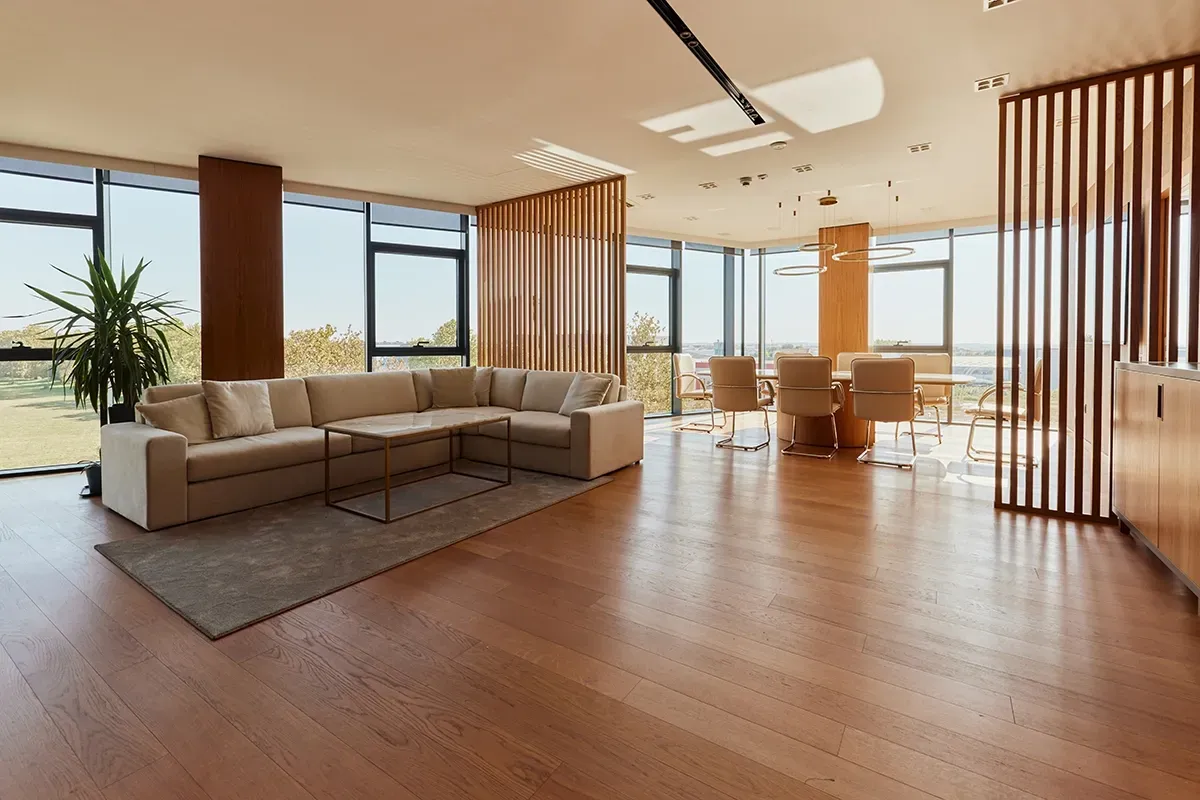
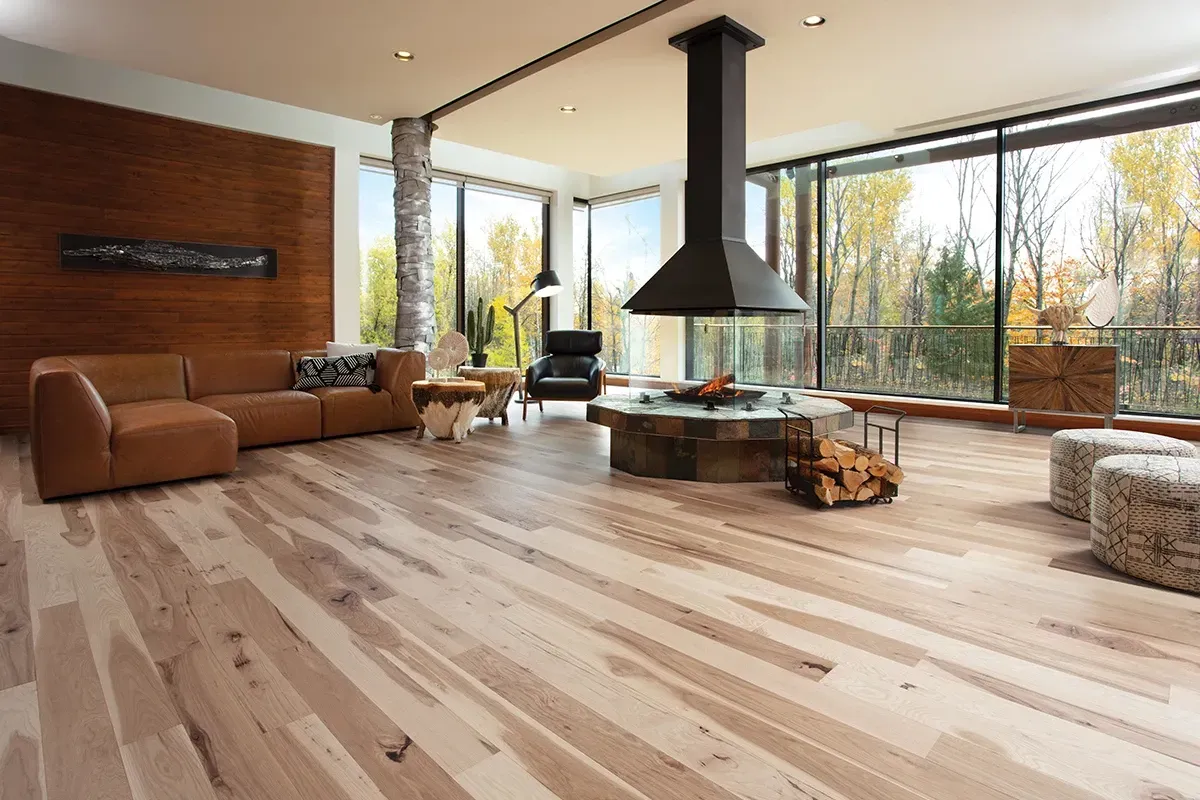
If your goal is the authentic look of natural wood, engineered hardwood delivers it, because the surface is natural wood. Every board has unique grain, color variation, and character. Species such as oak, maple, walnut, and hickory each look distinctly different.
Engineered construction also allows wider and longer planks than solid hardwood can safely offer, which suits the wide-plank look many homeowners want.
That said, today's premium LVP has improved dramatically. High-definition printing and embossed textures create flooring that looks remarkably similar to wood, especially at a glance. Many homeowners are surprised by how realistic modern luxury vinyl has become.
Winner: Engineered hardwood for authenticity, LVP for a realistic look at a lower cost.
Comfort Underfoot
Engineered hardwood has a solid, natural feel underfoot, particularly when glued or nailed down over a plywood subfloor. Thicker cores feel more substantial than thin ones. LVP tends to feel slightly softer, especially products with attached padding or thicker cores. It also tends to be quieter when walked on, which matters in multi-level homes. Floating installations of either product benefit from a quality underlayment, both for sound and for underfoot feel.
Winner: Tie, depending on personal preference.
Maintenance
Both floors are relatively easy to maintain.
For LVP:
- Sweep or vacuum regularly
- Damp mop with an approved cleaner
- No refinishing required
For engineered hardwood:
- Sweep frequently to remove grit, which is what causes most scratching
- Clean with a hardwood-safe product and a barely damp mop, never a wet one
- Wipe up spills promptly
- Keep indoor humidity in a reasonable range, roughly 35 to 55 percent
- Refinish once wear becomes noticeable, if the wear layer allows it
Neither floor requires excessive maintenance, though engineered hardwood needs a bit more attention over its lifetime.
Winner: LVP
Water Resistance
This is one of the biggest differences between the two options, though the gap is narrower than most people assume.
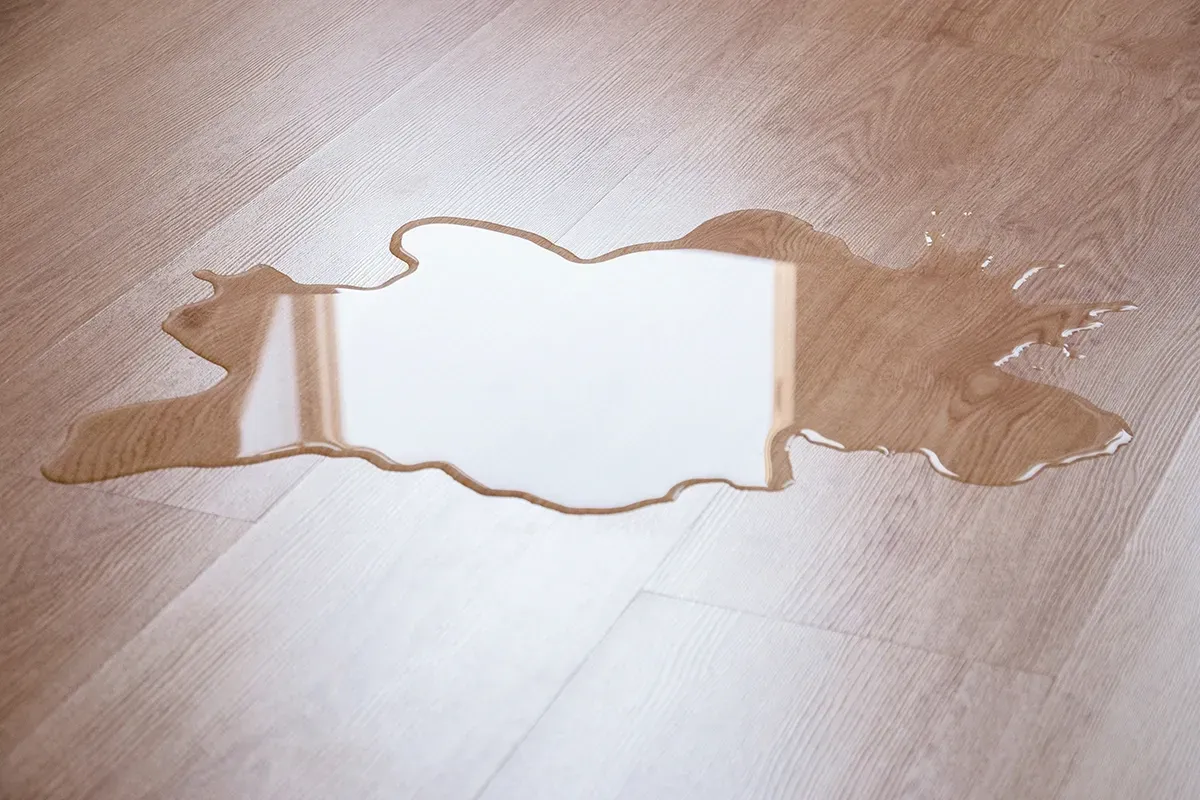
Most modern LVP products are completely waterproof. Spills, wet shoes, and pet accidents generally won't damage the flooring when cleaned up properly.
Engineered hardwood is significantly more moisture-tolerant than solid hardwood. The cross-layered core resists the swelling and cupping that moisture causes in solid planks, which is why engineered products can be installed over concrete slabs and in below-grade spaces where solid hardwood is not recommended.
Engineered hardwood is not waterproof, however. It is still wood, and standing water will eventually damage the wear layer, the finish, and the seams. Some manufacturers now offer water-resistant engineered lines with sealed edges and treated cores, which handle spills well but still aren't rated for standing water.
Practical takeaway: engineered hardwood is fine in a finished basement or a kitchen where spills get wiped up. LVP is the better choice for laundry rooms, mudrooms, and full bathrooms.
Winner: LVP
Installation
This is where engineered hardwood closes much of the gap with LVP. Engineered planks can be floated with a click-lock system, glued down, or nailed and stapled. Floating installations go quickly and don't require fasteners or adhesive, which makes them practical over concrete, over radiant heat, and in below-grade rooms. Solid hardwood offers none of that flexibility. Engineered products also need less acclimation time than solid hardwood, and in some cases none at all, depending on the manufacturer.
LVP still tends to install slightly faster and cheaper. It's more forgiving of minor subfloor imperfections, and click-lock is the standard rather than one option among several. But engineered hardwood is no longer the labor-intensive project that solid hardwood can be.
Winner: LVP, narrowly.
Cost
Pricing depends on product quality, wear layer thickness, installation method, and your home's layout, but generally:
Luxury Vinyl Plank
- Lower material cost
- Lower installation cost
- Lower long-term maintenance cost
- Replacement rather than refinishing at end of life
Engineered Hardwood
- Higher material cost, with a wide range driven by wear layer and species
- Higher installation cost, though less than solid hardwood in most cases
- Refinishing cost once or twice over the floor's life, if the wear layer allows
- Stronger long-term value
An entry-level engineered product with a thin veneer can price close to premium LVP. A thick-veneer engineered floor in a premium species costs considerably more. It's worth comparing on wear layer thickness rather than headline price per square foot.
Home Value
Engineered hardwood counts as real wood flooring in residential real estate, and buyers and appraisers treat it that way. It carries the appearance, the feel, and in most cases the refinishing potential that make wood floors a premium feature. LVP has become increasingly accepted thanks to its durability and attractive appearance, but it generally doesn't carry the same prestige or resale perception as real wood.
Winner: Engineered hardwood
Which Rooms Are Best for Each?
Luxury Vinyl Plank
LVP works especially well in:
- Bathrooms
- Laundry rooms
- Mudrooms
- Basements with moisture concerns
- Kitchens in high-spill households
- Homes with pets
- Rental properties
Its waterproof construction and scratch resistance make it a practical solution wherever moisture or heavy use are common.
Engineered Hardwood
Engineered hardwood is an excellent choice for:
- Living rooms
- Dining rooms
- Bedrooms
- Hallways
- Home offices
- Kitchens
- Finished basements
- Rooms with radiant floor heating
- Concrete slab installations
Its dimensional stability opens up spaces where solid hardwood would be a risk, while keeping the natural warmth of real wood.
So, Which Should You Pick?
There isn't a single right answer, because both flooring types excel in different situations.
Choose luxury vinyl plank if you want fully waterproof performance, excellent scratch resistance, lower installation costs, and minimal maintenance. It's an outstanding option for busy families, pet owners, rental properties, and rooms where standing water is a real possibility.
Choose engineered hardwood if you want genuine wood underfoot with far more installation flexibility than solid hardwood allows. It handles concrete slabs, basements, and radiant heat, resists the seasonal movement that affects solid planks, and with a thick enough wear layer it can be refinished and carried through decades of use.
If you're still unsure, visiting a flooring showroom lets you compare both options side by side. Seeing the materials in person, checking wear layer specifications, and discussing your home's subfloor and moisture conditions with a flooring professional makes the decision much easier.
At Rejuvenation Floor & Design, we carry a wide selection of premium engineered hardwood and luxury vinyl flooring to fit every style, budget, and lifestyle. Whether you're renovating a single room or your entire home, we're happy to help you find the flooring that's right for your space.
About the Author:
Levi Winkler is the owner of Rejuvenation Floor & Design, where he has been helping homeowners and businesses transform their spaces with high-quality flooring for over 16 years. Based in Portland, Oregon, Levi specializes in hardwood flooring, as well as luxury vinyl, laminate, and more. With decades of hands-on flooring installation and restoration experience, Levi is known for his attention to detail, product knowledge, and commitment to long-lasting results. He works closely with clients to ensure every flooring project is tailored to their style, needs, and budget.
Recent Articles