Basement Flooring Options Over Concrete | 5 Top Picks
June 4, 2026, by Levi Winkler, Flooring Expert & Owner of Rejuvenation Floor & Design
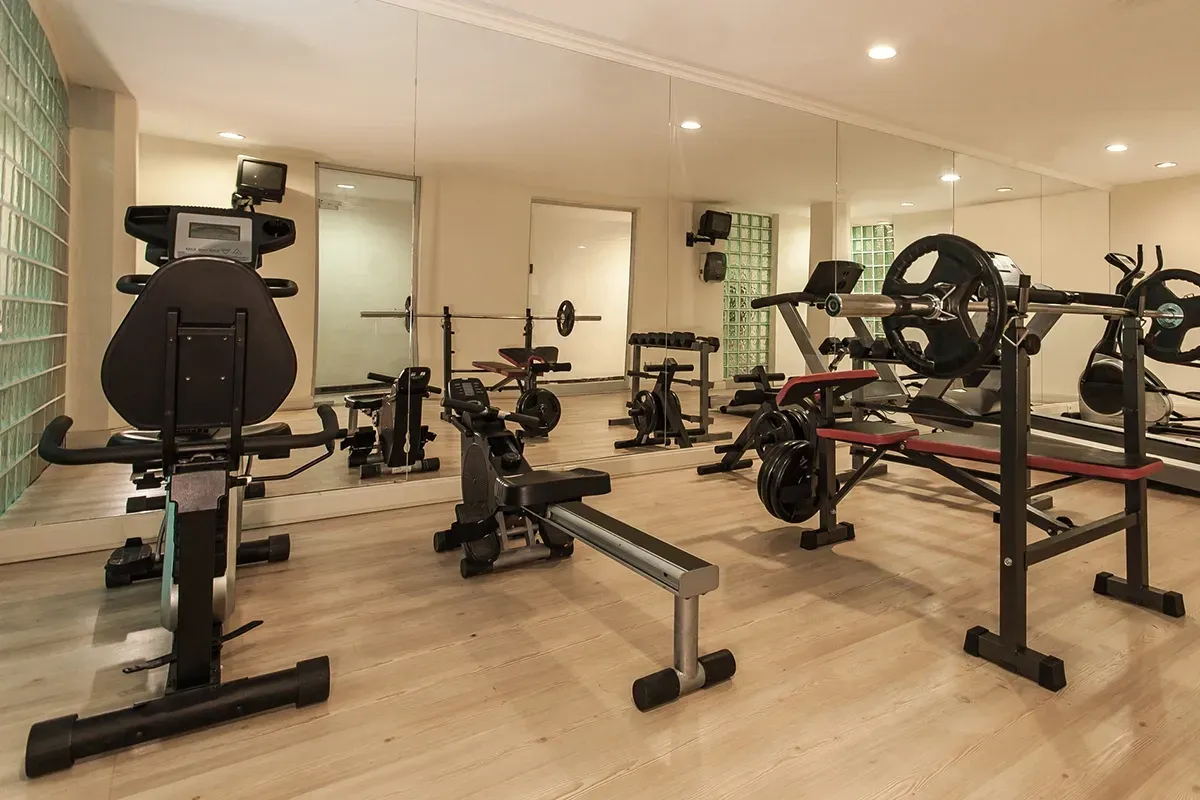
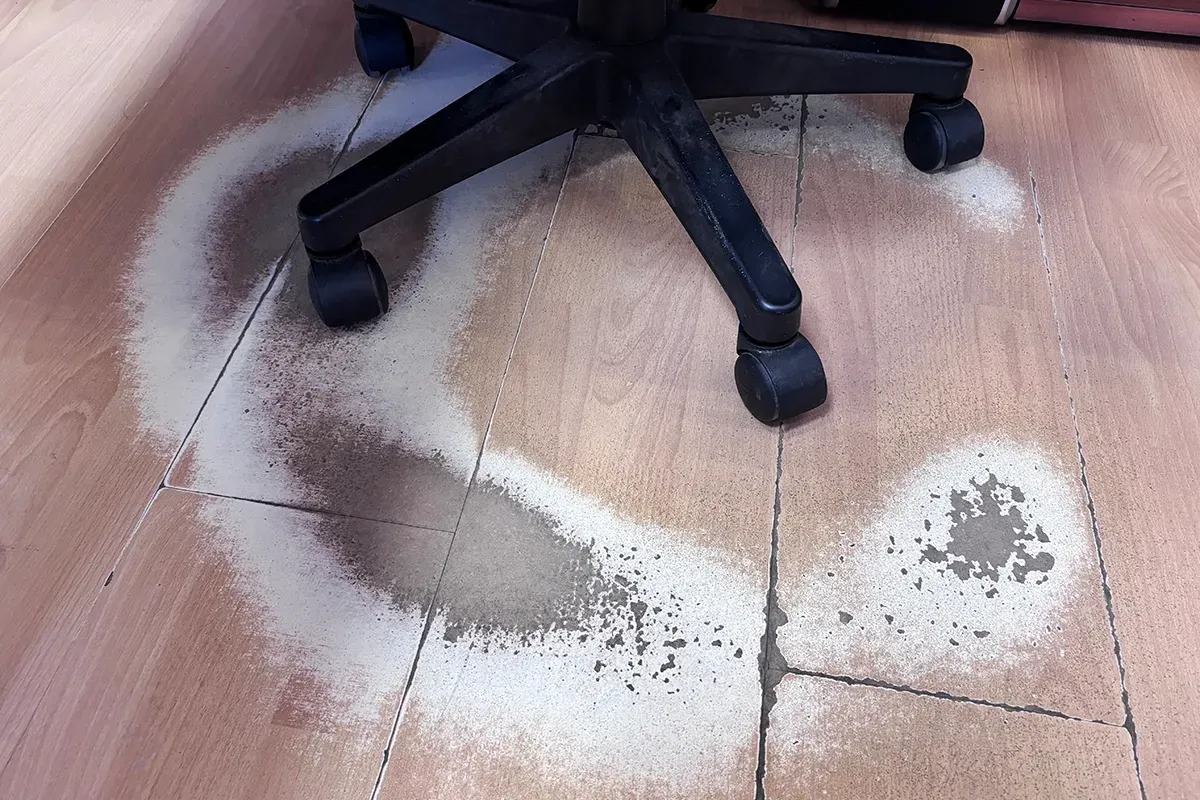
Basements can be some of the most versatile spaces in a home. Whether you are creating a family room, home office, guest suite, or entertainment area, the flooring you choose plays a major role in comfort and functionality. Unlike upper levels of a home, basements come with unique considerations. Concrete subfloors, cooler temperatures, and the potential for moisture all need to be considered before selecting flooring.
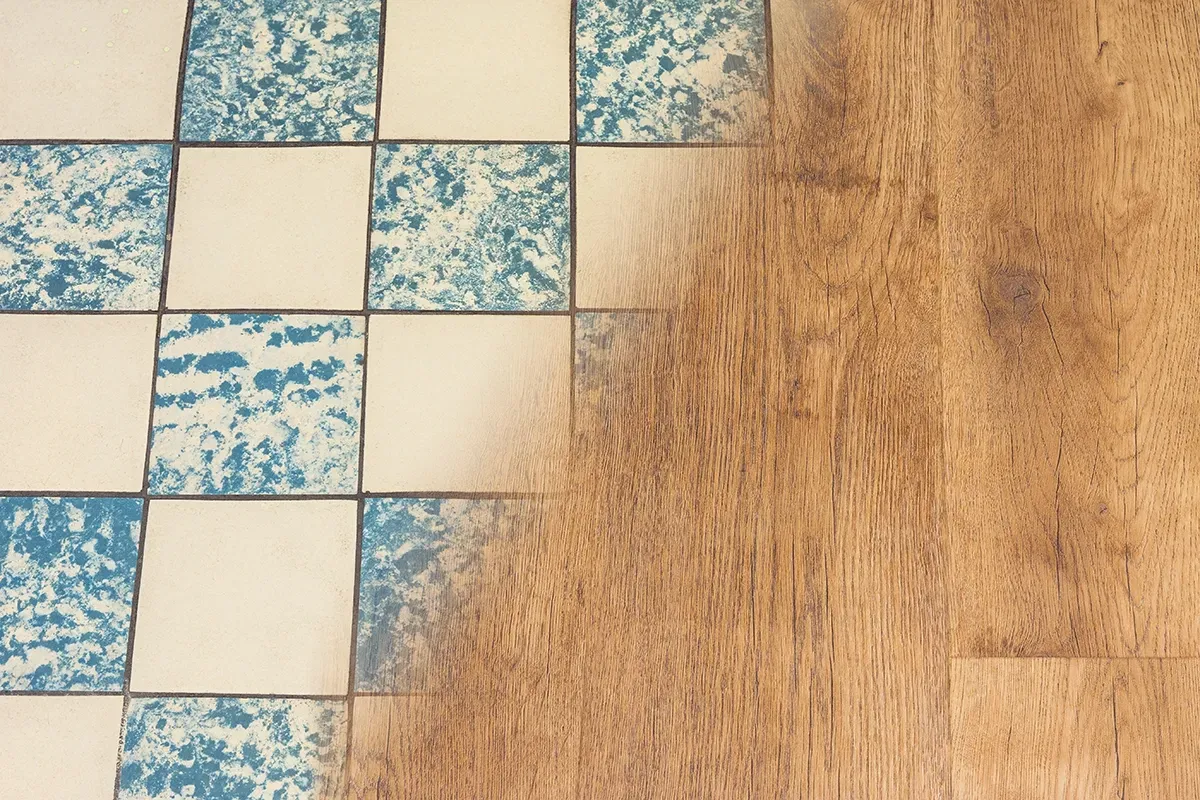
Fortunately, today's flooring products offer more options than ever for finished basement spaces. Here are five basement flooring options over concrete that can perform well while helping create a comfortable and attractive basement.
At Rejuvenation Floor & Design, we have extensive experience helping Portland, Oregon homeowners navigate the unique challenges that come with concrete basement flooring. The Pacific Northwest climate brings its own set of considerations, from seasonal rainfall and elevated humidity to the temperature fluctuations common in below-grade spaces throughout the region. Our team works directly with homeowners to assess concrete subfloor conditions, identify moisture concerns, and recommend the right flooring solutions for each specific basement. Whether you are finishing a basement for the first time or updating an existing space, our local expertise means you get guidance tailored to Portland's climate and your home's unique needs.
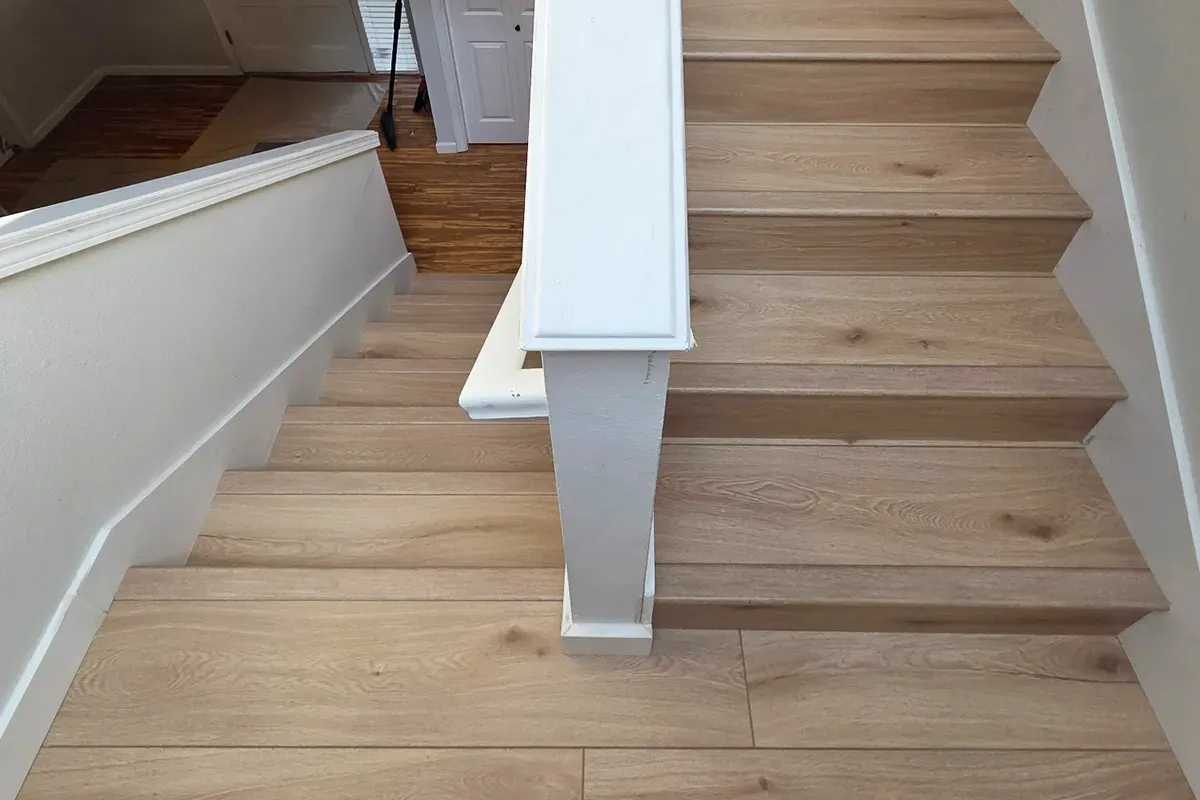
1. Waterproof Laminate Flooring
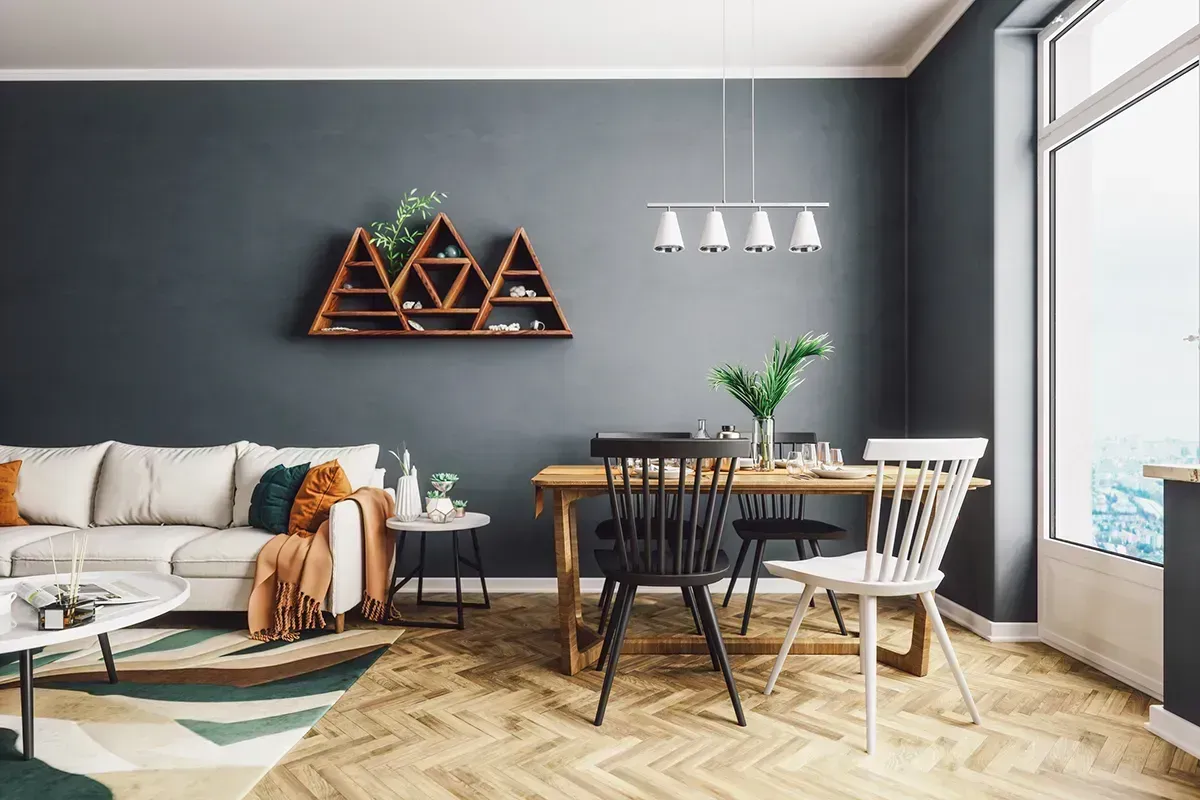
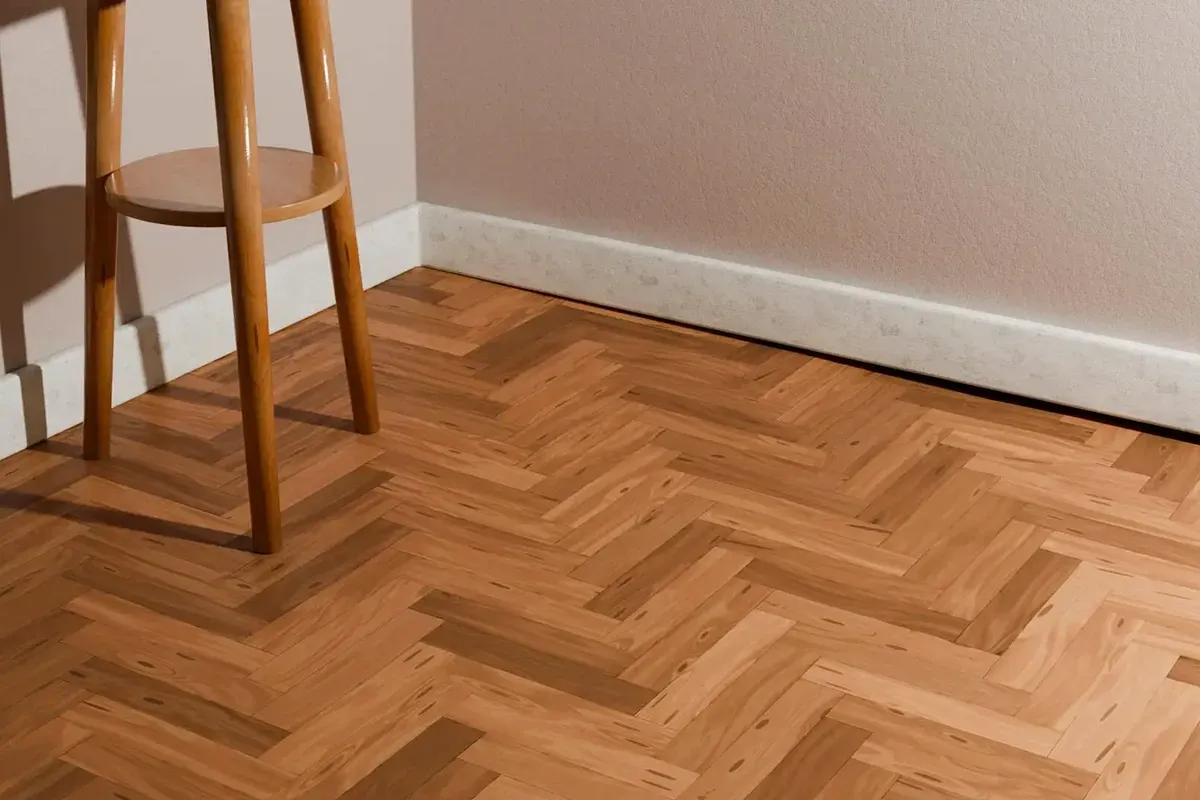
Waterproof laminate has become one of the most popular basement flooring options over concrete, especially for homeowners who want the look of hardwood without many of the concerns associated with real wood below grade.
Most waterproof laminate floors feature durable cores and water-resistant technology that help them handle everyday basement conditions. They also tend to feel warmer and more comfortable underfoot than many other hard-surface options. Another major advantage is appearance. Modern waterproof laminate offers highly realistic wood visuals and textured finishes that closely resemble genuine hardwood.
Waterproof laminate works particularly well in:
- Finished family rooms
- Basement offices
- Playrooms
- Guest bedrooms
- Entertainment spaces
Most products are installed as floating floors over an underlayment, helping create a comfortable surface over concrete. As with any basement flooring, proper moisture testing should be completed before installation. For many homeowners, waterproof laminate offers one of the best combinations of style, comfort, durability, and value.
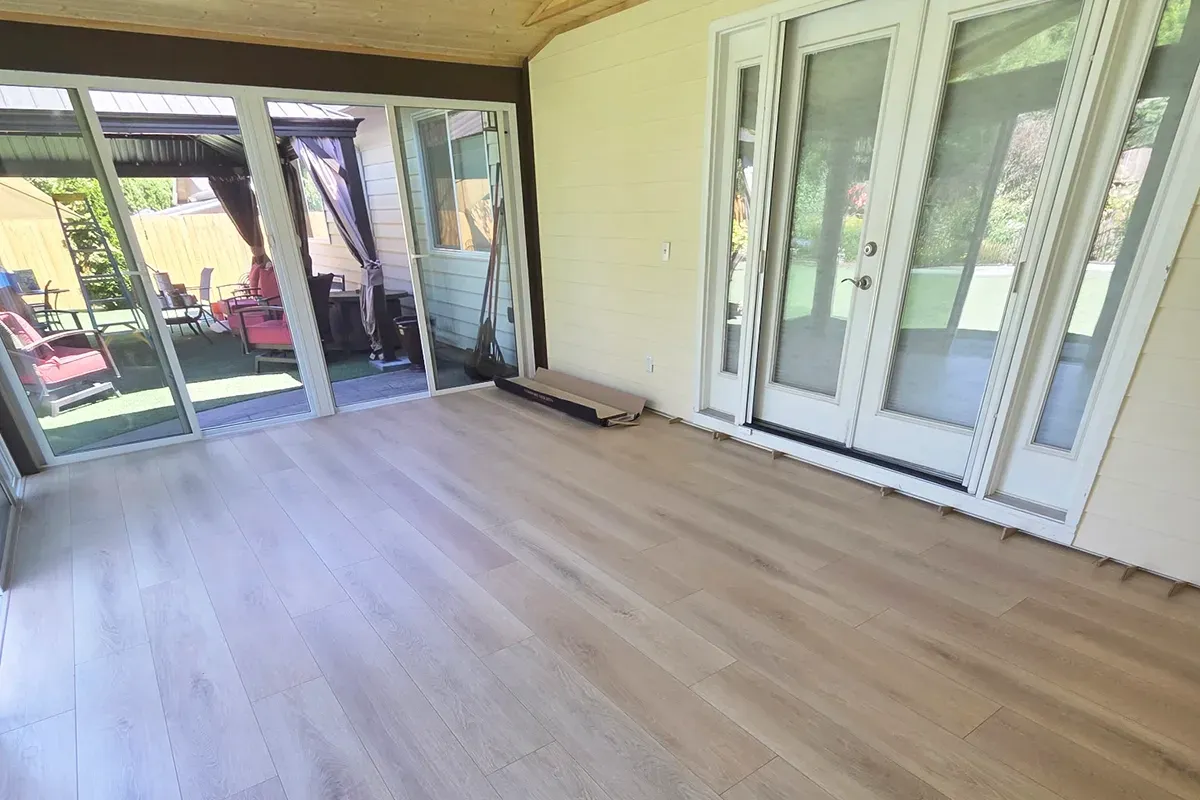
2. Luxury Vinyl Plank (LVP)
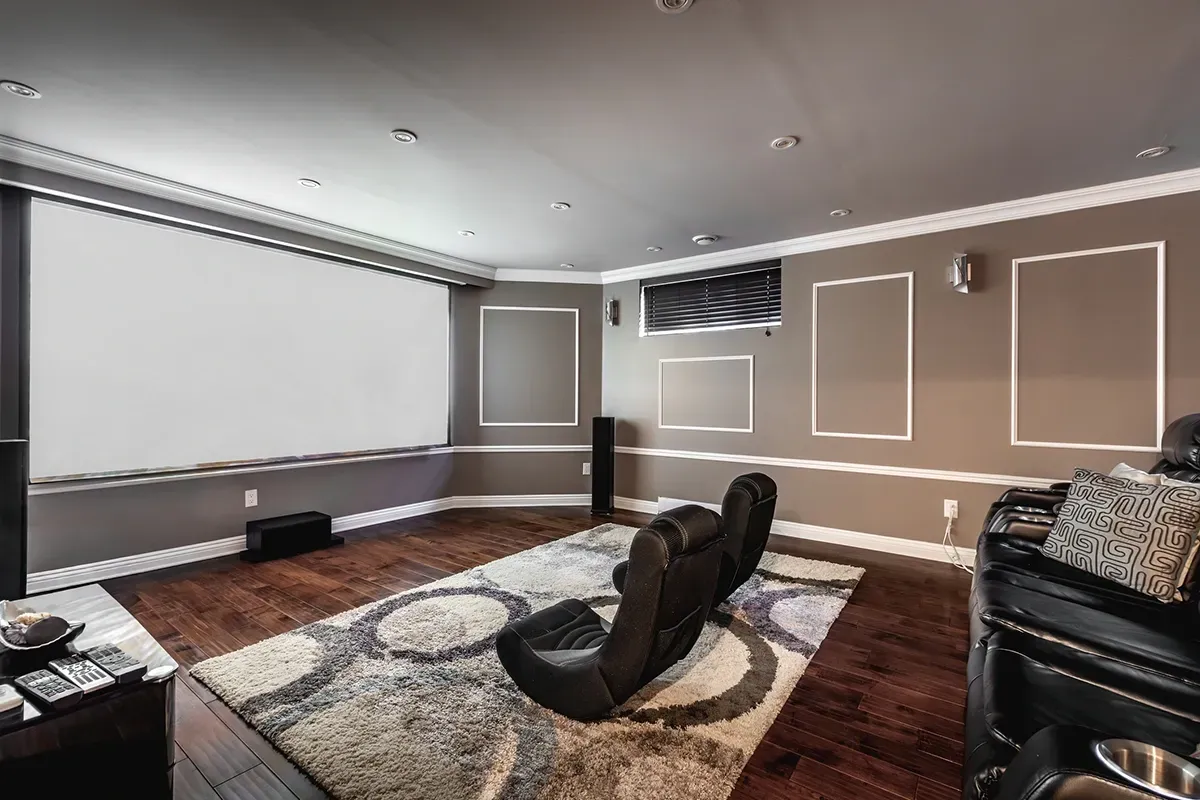
Luxury vinyl plank, often called LVP, remains one of the safest and most versatile flooring options for basements. Many LVP products are fully waterproof, making them an excellent choice for areas where moisture is a greater concern. They are also available in a wide variety of wood-look styles, colors, and plank sizes to fit almost any design preference.
LVP is often a strong choice for:
- Basement bathrooms
- Laundry areas
- Home gyms
- Multi-purpose basements
- Rental properties
Another advantage is stability. Vinyl flooring generally handles temperature and humidity changes well, making it a dependable option for below-grade spaces.
While LVP excels in moisture resistance, product quality can vary significantly. Thicker products with stronger wear layers often provide better comfort and long-term performance. For homeowners prioritizing water resistance, LVP is often one of the best types of flooring for a concrete basement.
For more info, read: Best Vinyl Flooring Brands
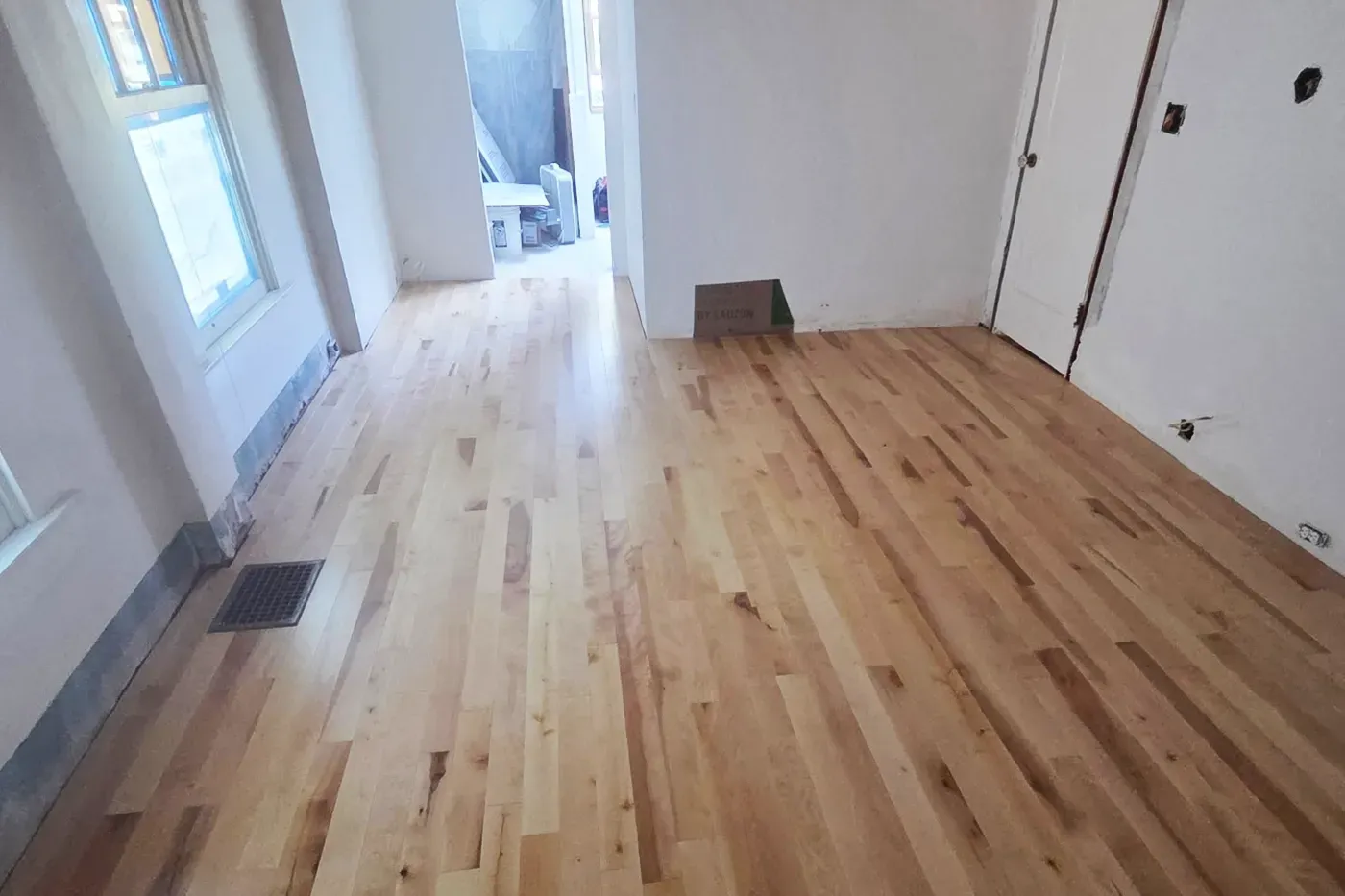
3. Engineered Hardwood
Many homeowners love the warmth and character of real wood flooring and wonder if it can work in a basement. While solid hardwood is generally not recommended below grade, engineered hardwood can be a suitable alternative. Engineered hardwood features a real wood surface layer attached to a more stable core. This construction helps reduce expansion and contraction caused by humidity changes compared to traditional hardwood flooring.
Engineered hardwood is often a good fit for:
- Finished lower-level living rooms
- Guest suites
- Home offices
- Higher-end basement remodels
Proper preparation is especially important. Moisture testing, vapor barriers, and following manufacturer guidelines are critical when installing engineered hardwood over concrete. For homeowners looking for an authentic wood floor, engineered hardwood can provide a premium appearance while offering better stability than solid hardwood.
For more info, read: Best Engineered Wood Flooring Brands
4. Bamboo Flooring
Floating bamboo flooring offers a unique alternative for homeowners who want a natural wood appearance with a slightly different aesthetic. Constructed similarly to engineered hardwood, these products feature a stable core with a bamboo wear layer. Many utilize click-lock installation systems that allow them to float over concrete with the proper underlayment.
Floating engineered bamboo works well in:
- Basement living rooms
- Guest suites
- Home offices
- Recreational spaces
One of bamboo's biggest strengths is its distinctive look. Depending on the style, homeowners can find clean contemporary visuals, traditional wood appearances, or unique grain patterns that stand apart from more common flooring choices. Like engineered hardwood, moisture testing remains important, and homeowners should confirm the product is approved for below-grade installation. For those shopping something a little different, bamboo flooring can be an attractive and durable option.
5. Cork Flooring
Cork flooring is often overlooked, but it offers several advantages that make it worth considering for finished basements. One of cork's biggest benefits is comfort. Its naturally resilient structure creates a softer feel underfoot than many hard-surface flooring options installed over concrete. Cork also provides natural sound absorption and insulation, helping make basement spaces feel warmer and quieter.
Cork can be a great choice for:
- Basement offices
- Family rooms
- Hobby spaces
- Home gyms
- Guest areas
Many cork flooring products are available in floating formats, making installation over concrete relatively straightforward when proper moisture protection is used. As with any basement flooring, moisture management is important. Basements with ongoing moisture issues should address those concerns before installation. For homeowners prioritizing comfort and warmth, cork can be an excellent choice.
Five Important Considerations Before Installing Basement Flooring
Regardless of the flooring type you choose, proper preparation is essential.
- Moisture Testing: Concrete can transfer moisture even when it appears dry. Testing helps determine whether additional moisture mitigation is needed before installation.
- Subfloor Condition: Concrete slabs should be clean, level, and properly prepared. Cracks or uneven areas may need to be addressed before flooring is installed.
- Underlayment: Many flooring products require specific underlayments or vapor barriers when installed over concrete. Following manufacturer recommendations helps improve long-term performance.
- Intended Use: Think about how the basement will be used. A home gym, guest suite, and entertainment room may each have different flooring needs.
- Comfort: Basements naturally tend to be cooler than upper levels. Flooring that provides warmth and cushioning can make the space more enjoyable year-round.
Final Thoughts
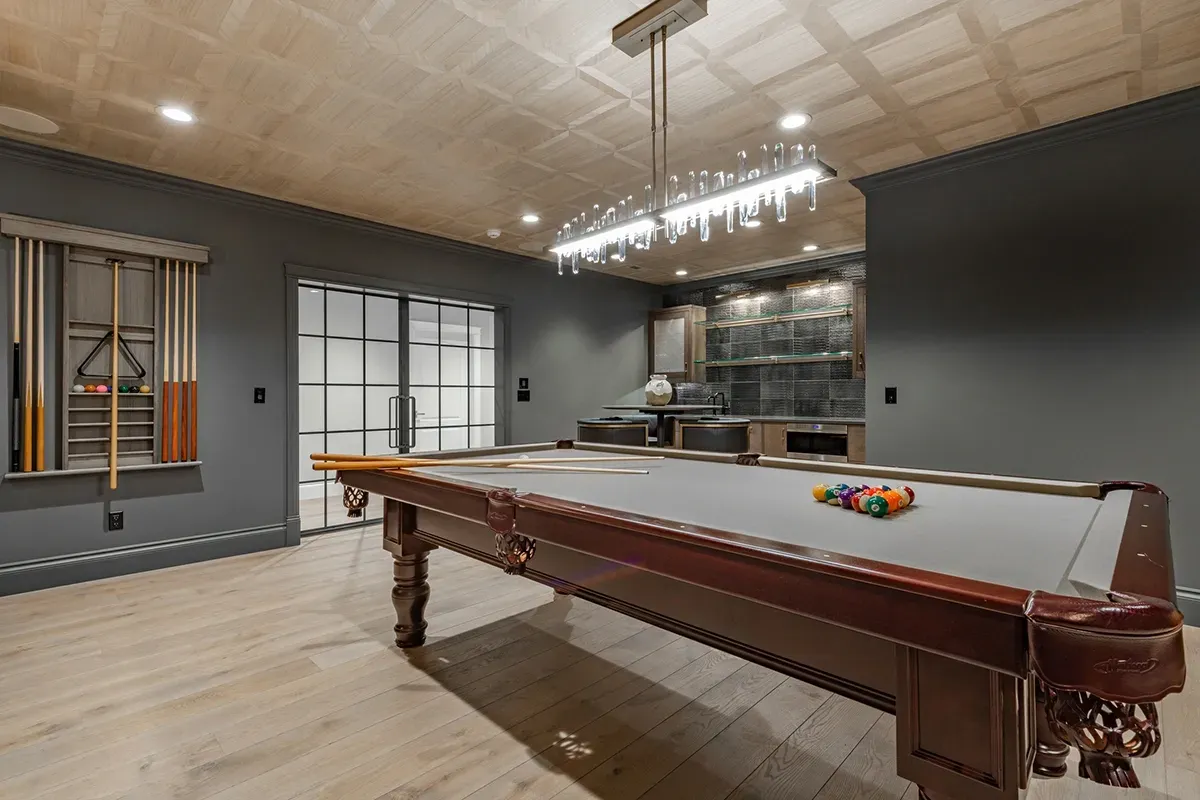
There is no single best basement flooring option over concrete for every home. The right choice depends on the condition of the concrete, the amount of moisture present, and how the space will be used.
For many homeowners, waterproof laminate offers an excellent balance of appearance, comfort, and value. Luxury vinyl plank provides exceptional moisture resistance, while engineered hardwood delivers the authentic look of real wood. Floating engineered bamboo offers a unique natural appearance, and cork provides outstanding comfort and insulation benefits.
At
Rejuvenation Floor & Design, we help homeowners compare flooring options based on their specific needs and basement conditions. Choosing the right floor from the start can help create a concrete basement space that feels comfortable, functional, and built to last for years to come.
About the Author:
Levi Winkler is the owner of Rejuvenation Floor & Design, where he has been helping homeowners and businesses transform their spaces with high-quality flooring for over 16 years. Based in Portland, Oregon, Levi specializes in hardwood flooring, as well as luxury vinyl, laminate, and more. With decades of hands-on flooring installation and restoration experience, Levi is known for his attention to detail, product knowledge, and commitment to long-lasting results. He works closely with clients to ensure every flooring project is tailored to their style, needs, and budget.
Recent Articles